
Along a quiet unassuming street this doorway marks the entrance of one of Paris’ largest private cemeteries. There are not a lot of visitors and truthfully it was only Eric’s interest that sparked this quest. But because so few visitors know about it, we had the place all to ourselves.
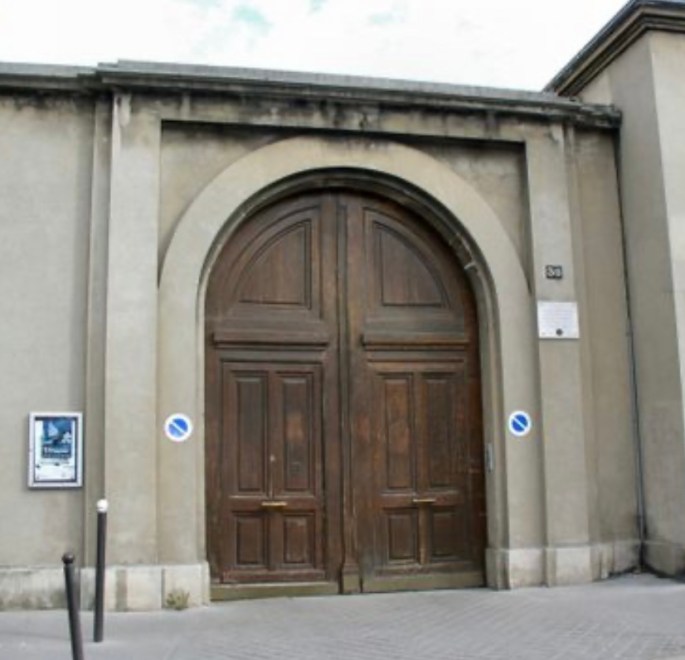
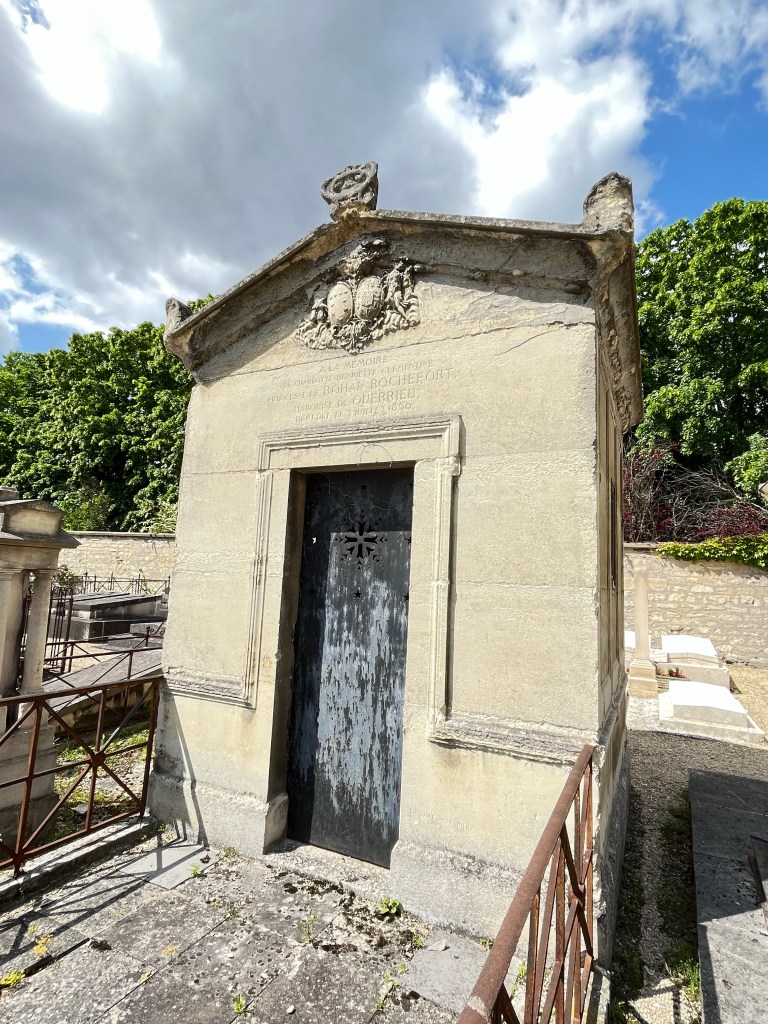
It is a family cemetery for members of the highest French aristocracy of which everyone is interrelated.
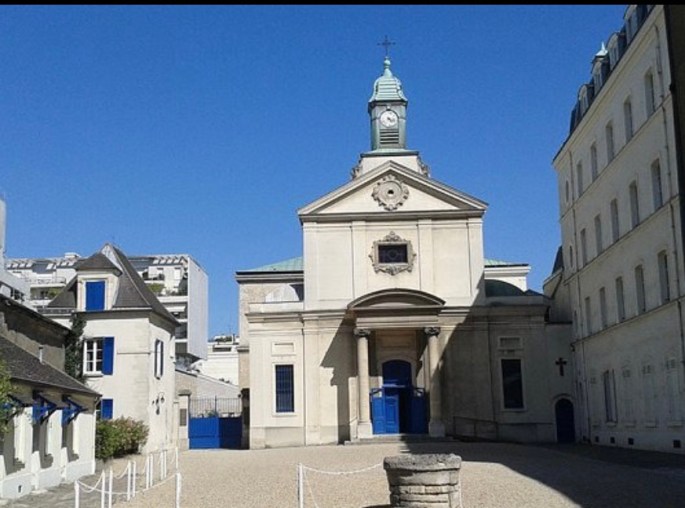
For a modest fee, entrance is gained and the first thing seen is The Chapel of Our Lady of Peace.

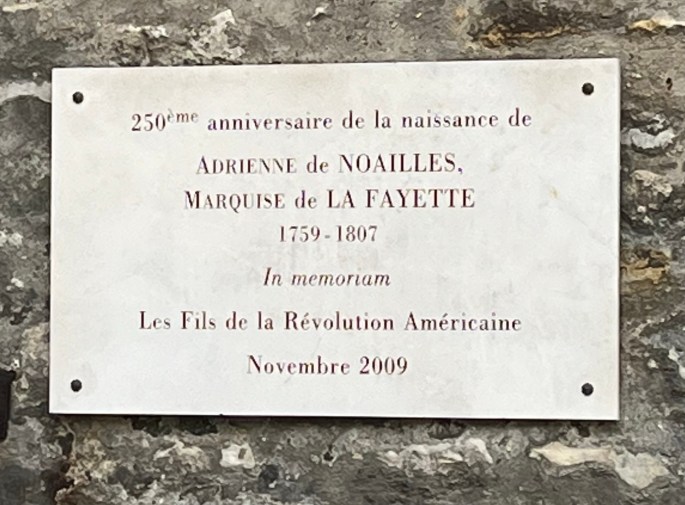
The walls inside are inscribed with those that are buried on this land.

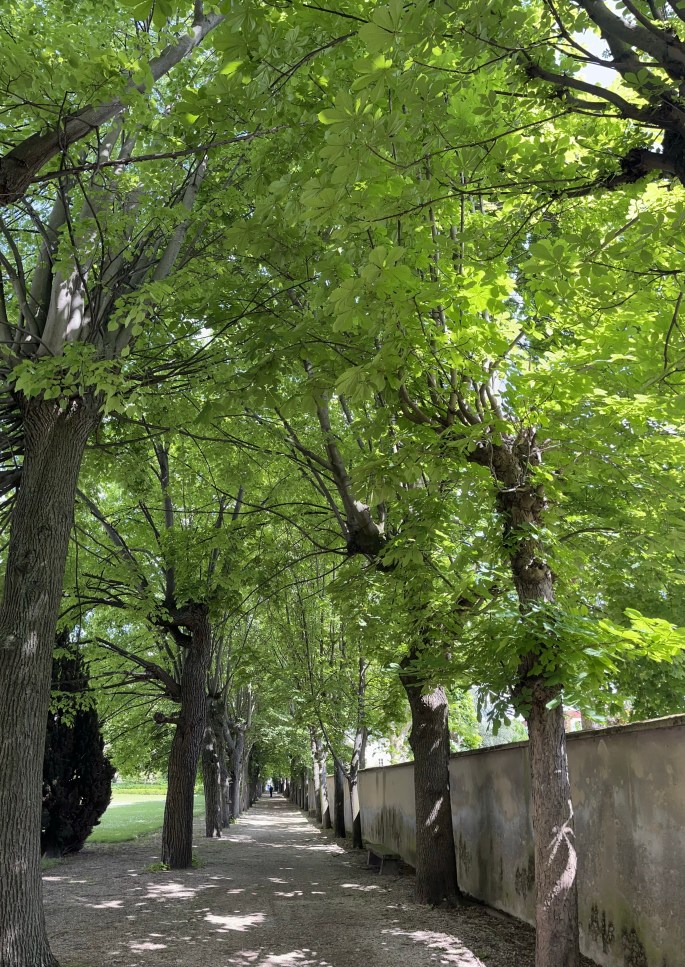
Past the chapel is an alley of trees, leading to the cemetery.
During the Revolutionary Tribunal a quick but relatively anonymous way to dispose of the bodies was needed. This spot was a five-minute walk from the guillotine set-up. The individuals beheaded were brought to this area under cover of night. Bodies and heads were thrown in after their clothes removed – the clothes being the compensation of the workmen. Two of the three fosse (pit or trench) were filled before the reign of terror was finally stopped. Fosse No1 is further back.
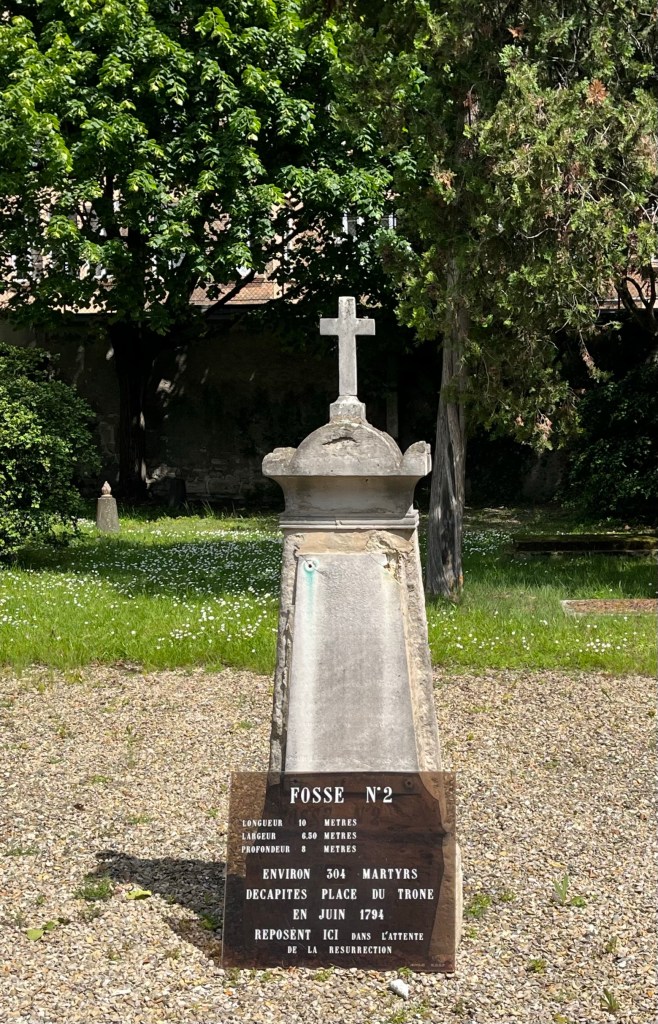
A young commoner followed the cart filled with bodies to know the location where her father and brother were buried and was thus able to help others. The aristocrats formed a group to secretly buy the land, create a memorial and the final resting place for their loved ones – which is managed by a nunnery. The cemetery is walled off and near where the pits were dug.
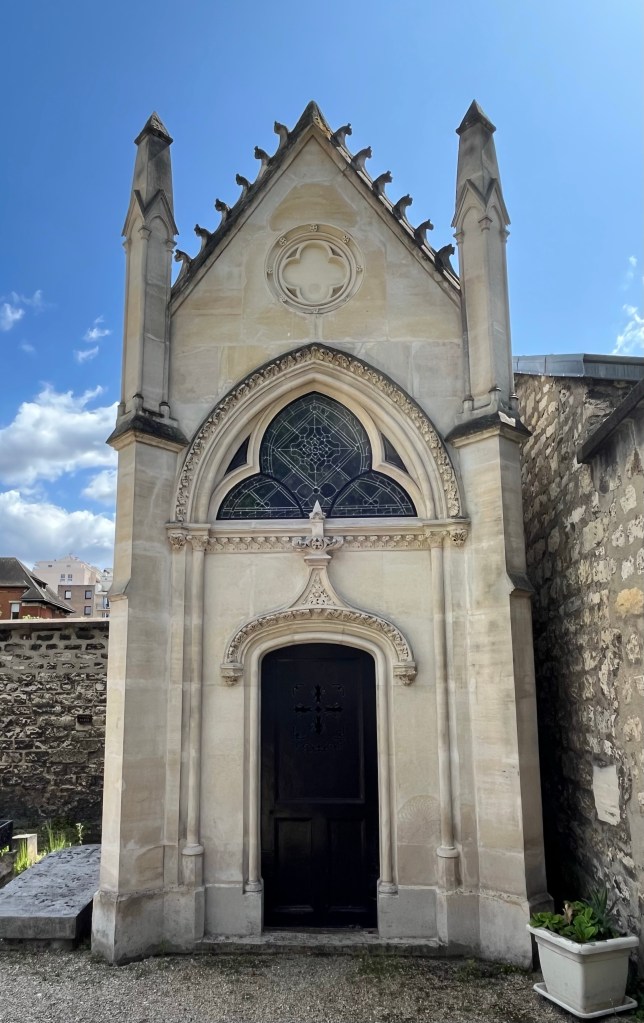
Descendents of the 1306 victims are eligible to be buried here. We found a headstone dated 2022.
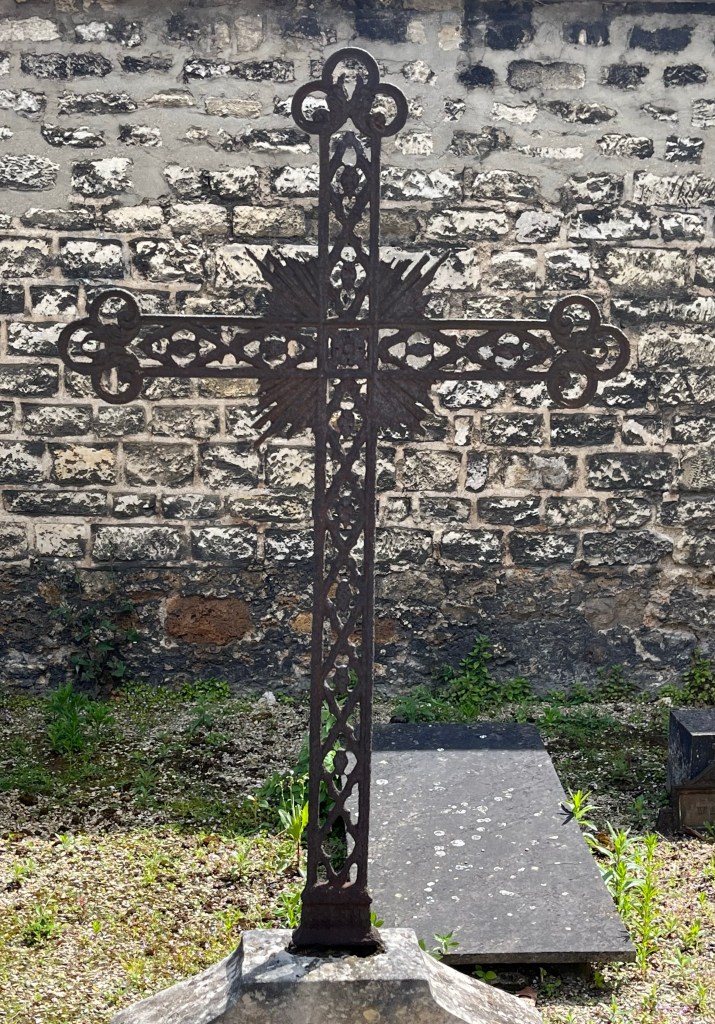
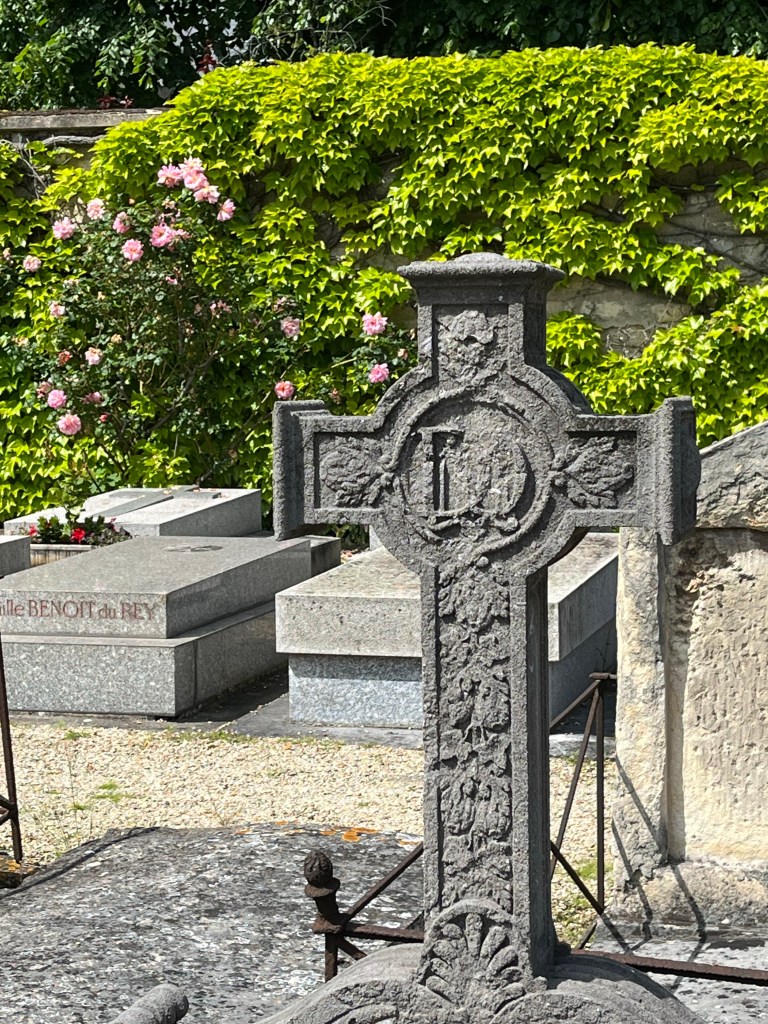

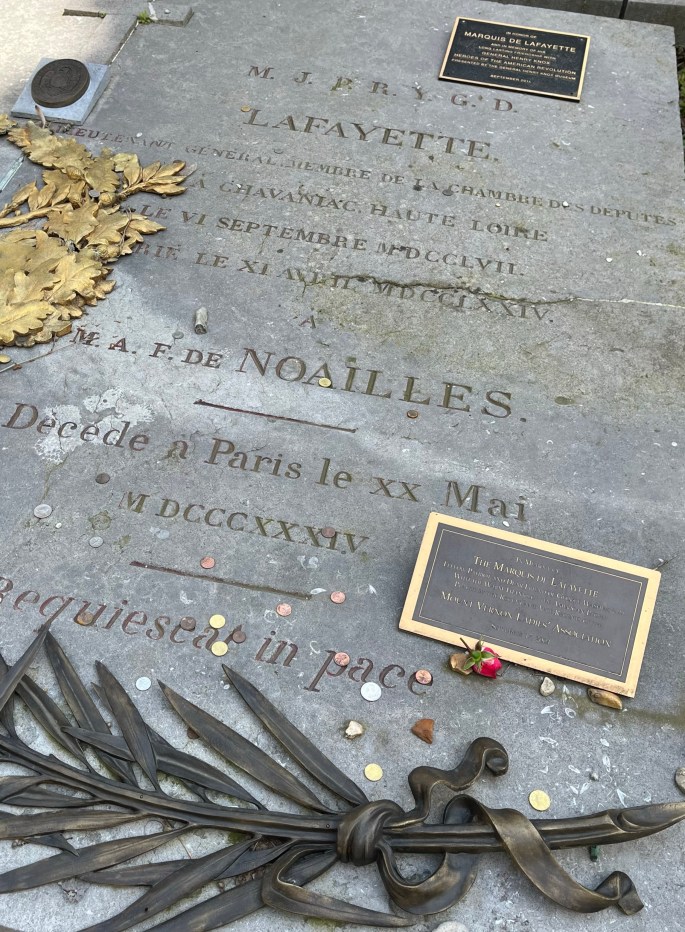
Lafayette is considered a national hero in both the U.S. and France. Lafayette died in 1834 from pneumonia. His wife’ sister, mother and grandmother were beheaded and therefore they were eligible to be included. In the corner of the cemetery is Lafayette’s tomb. It is visited regularly by Americans. When the Germans occupied Paris in WWII, they never entered and an American flag continued to be flown over his grave. The flag is renewed yearly on July 4th.
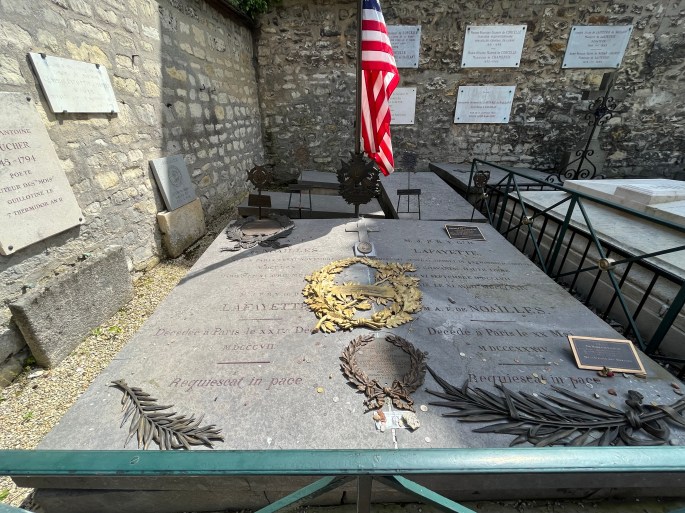
The soil surrounding his grave is from the Battle of Bunker Hill, therefore he is buried in American soil. Lafayette was a key figure in US history and Geroge Washington treated him like a son. There is so much more to that story that everyone should google and read.
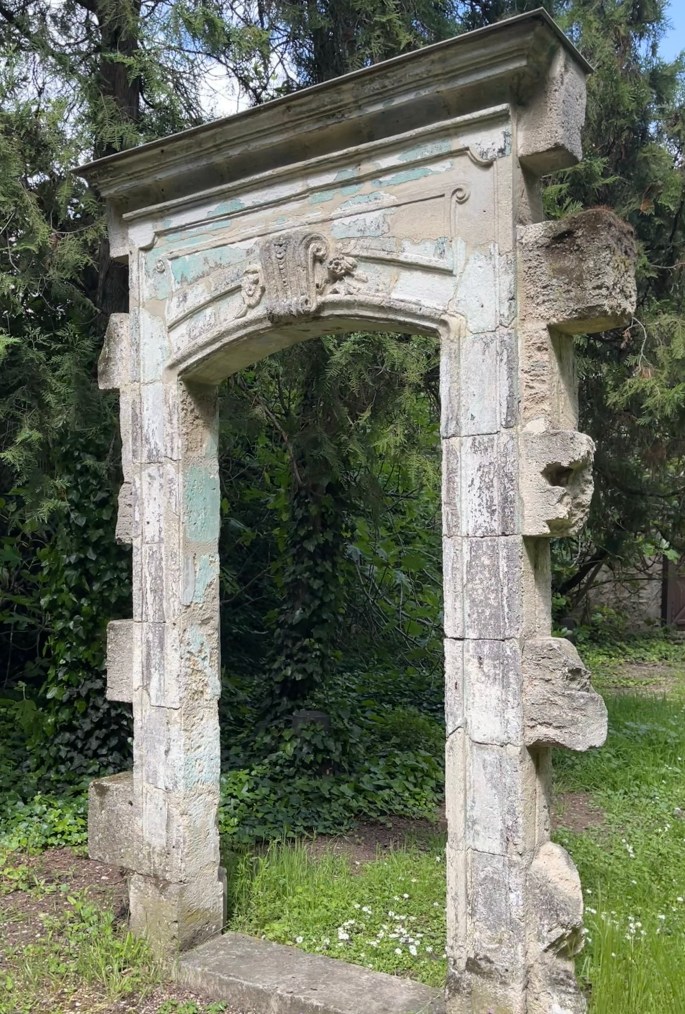
At the back of the lot was how the cart came to drop off the bodies, here is one of the portals that was kept.
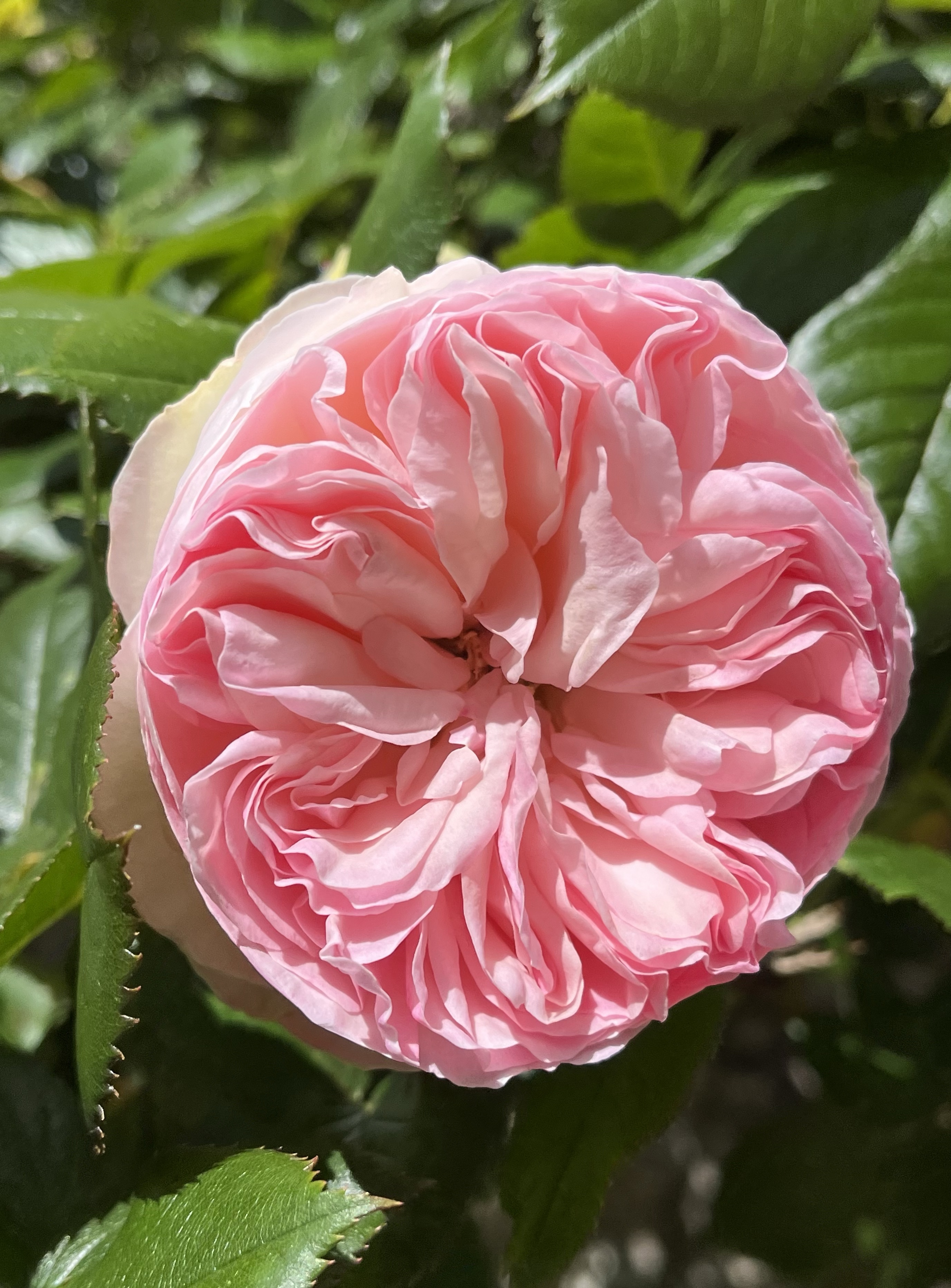
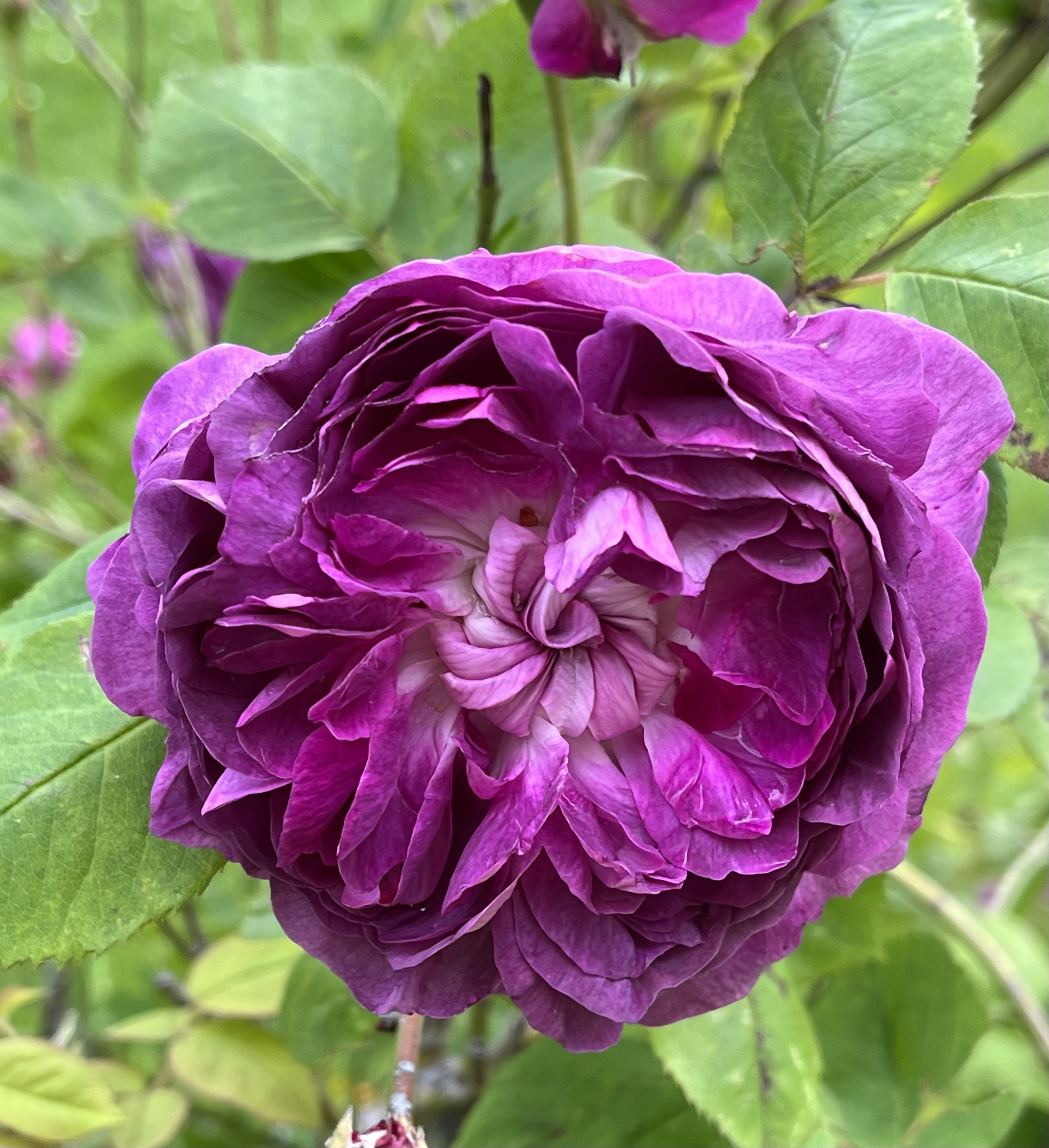
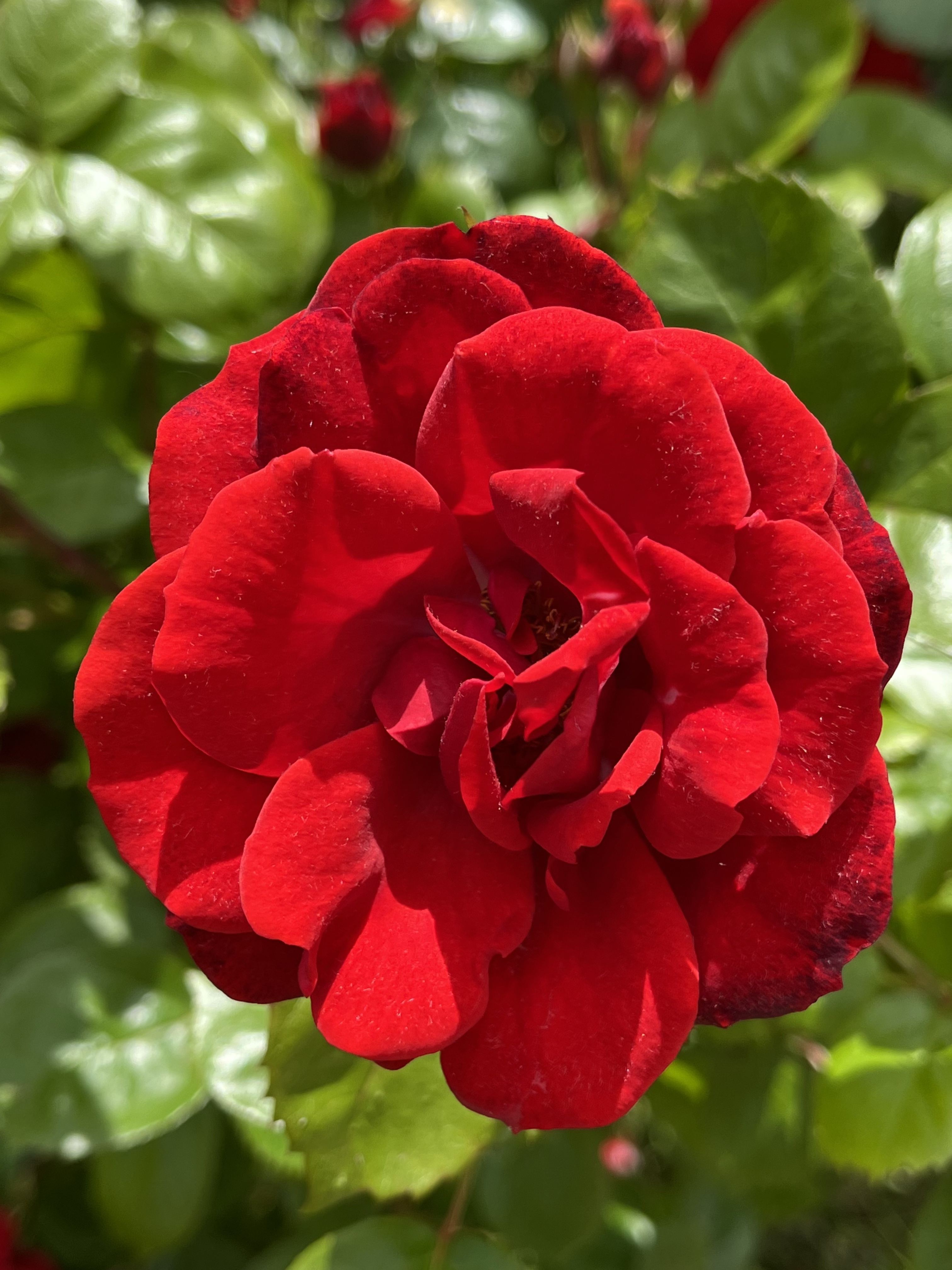
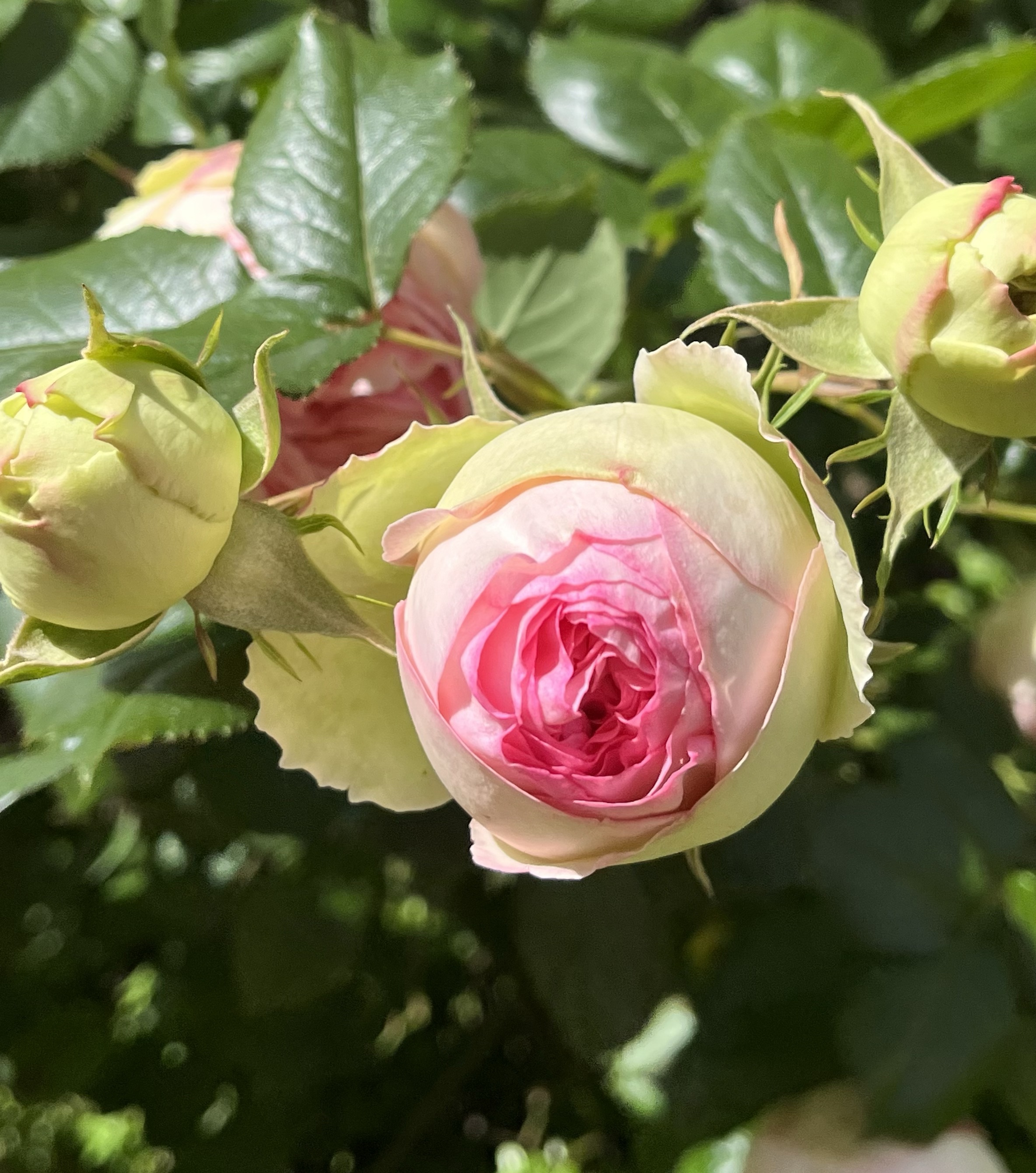
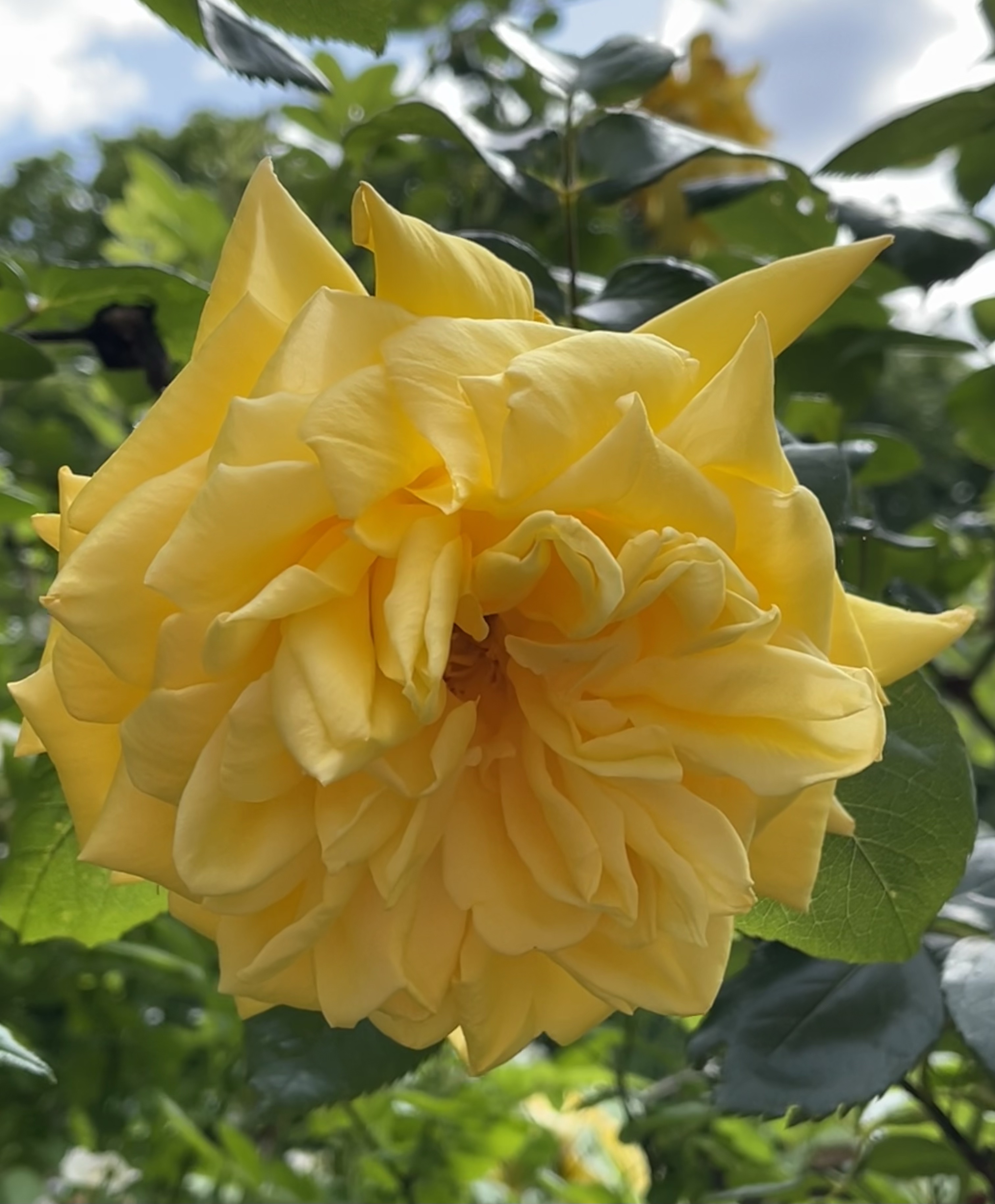
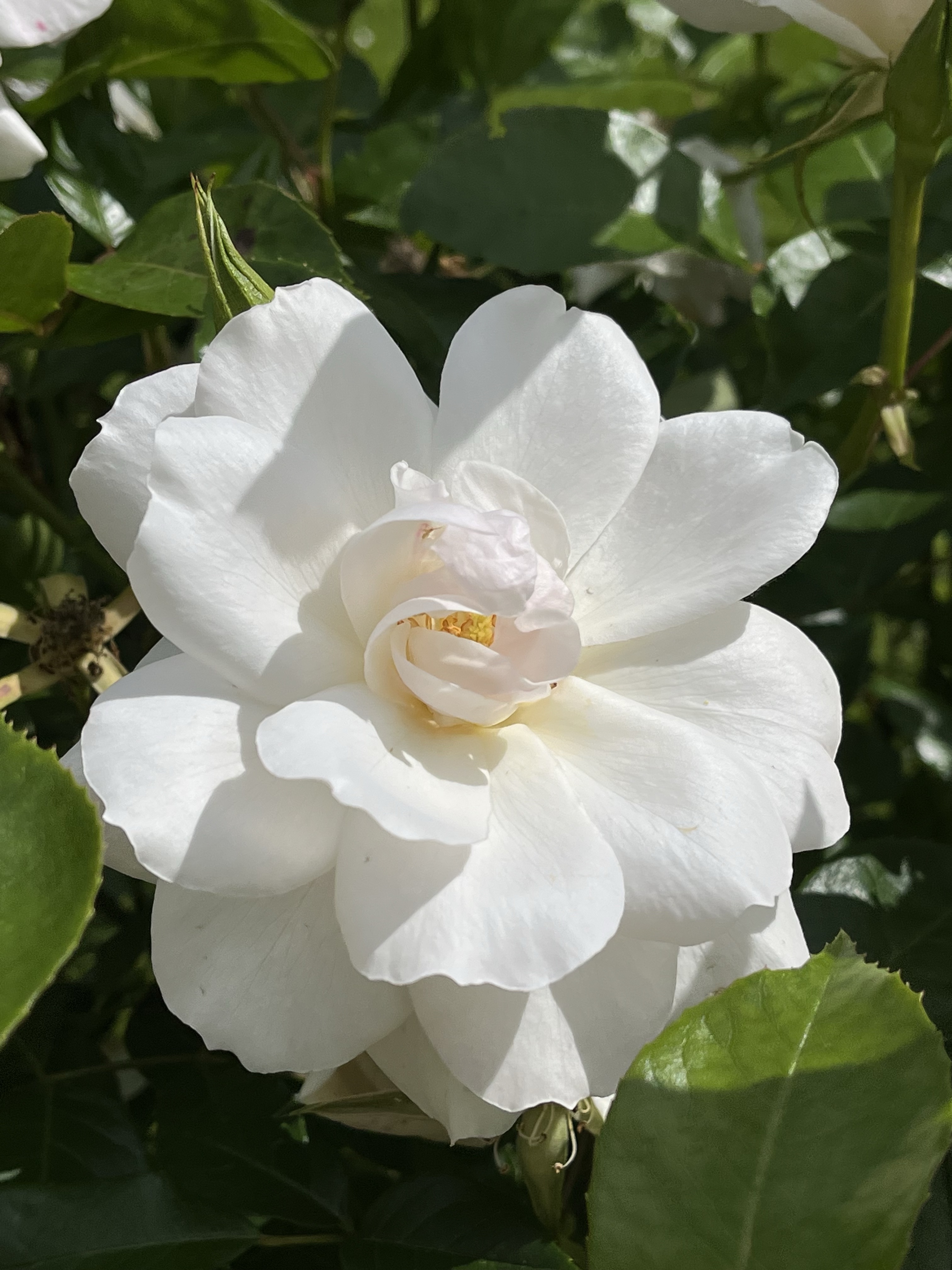
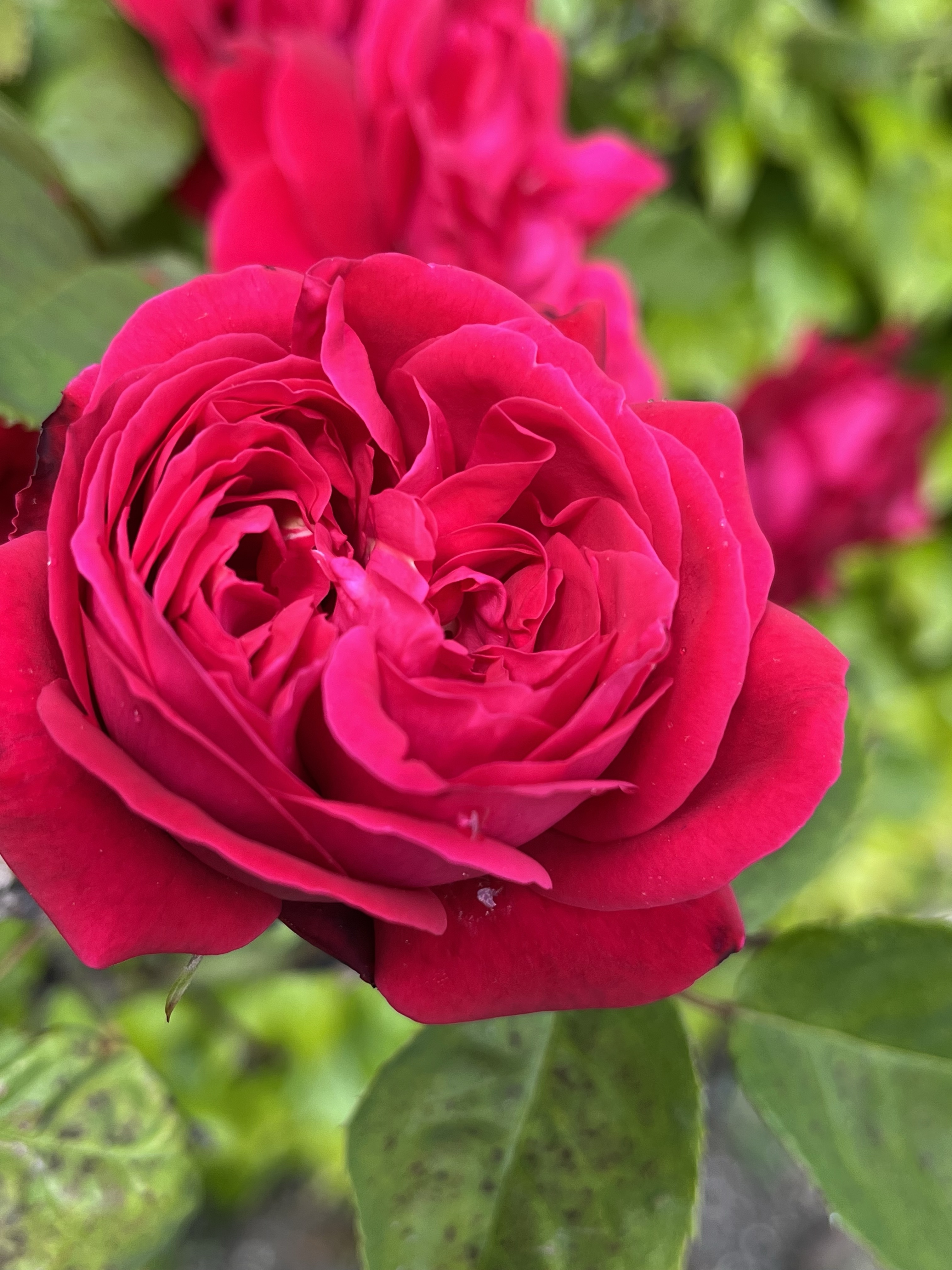
I mentioned this is a working nunnery. There are some chickens running around, roses have been planted throughout the property and in one corner I found some beehives. The brown chicken was expecting me to feed her and kept following me around.
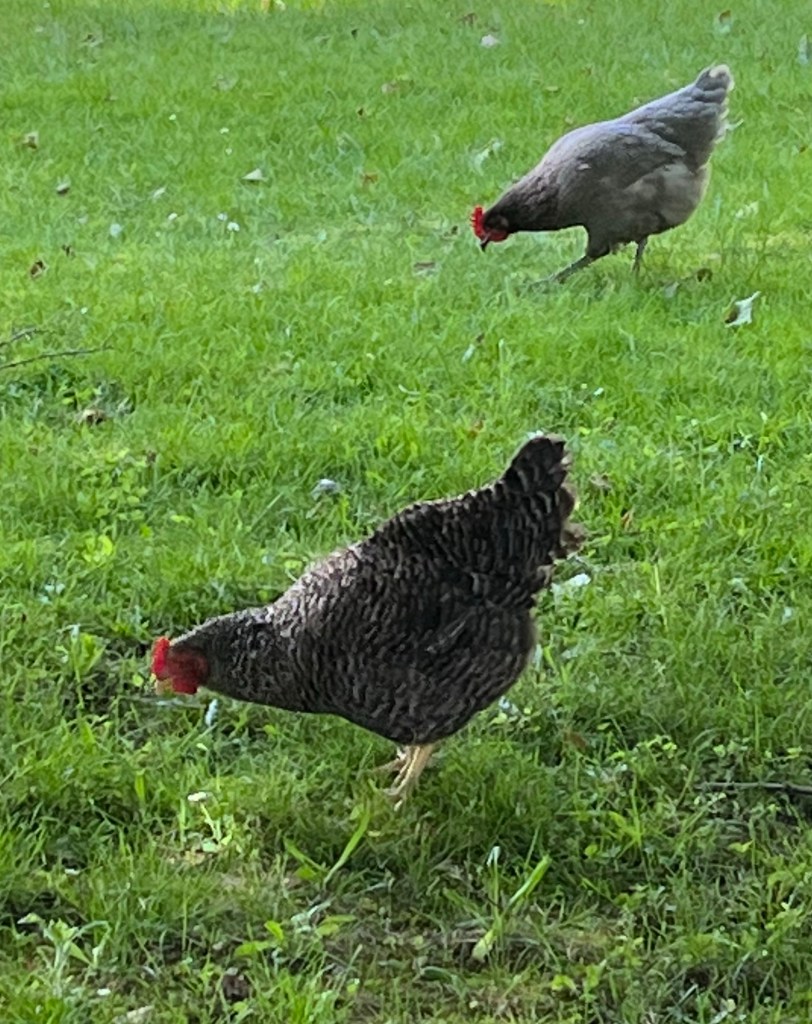
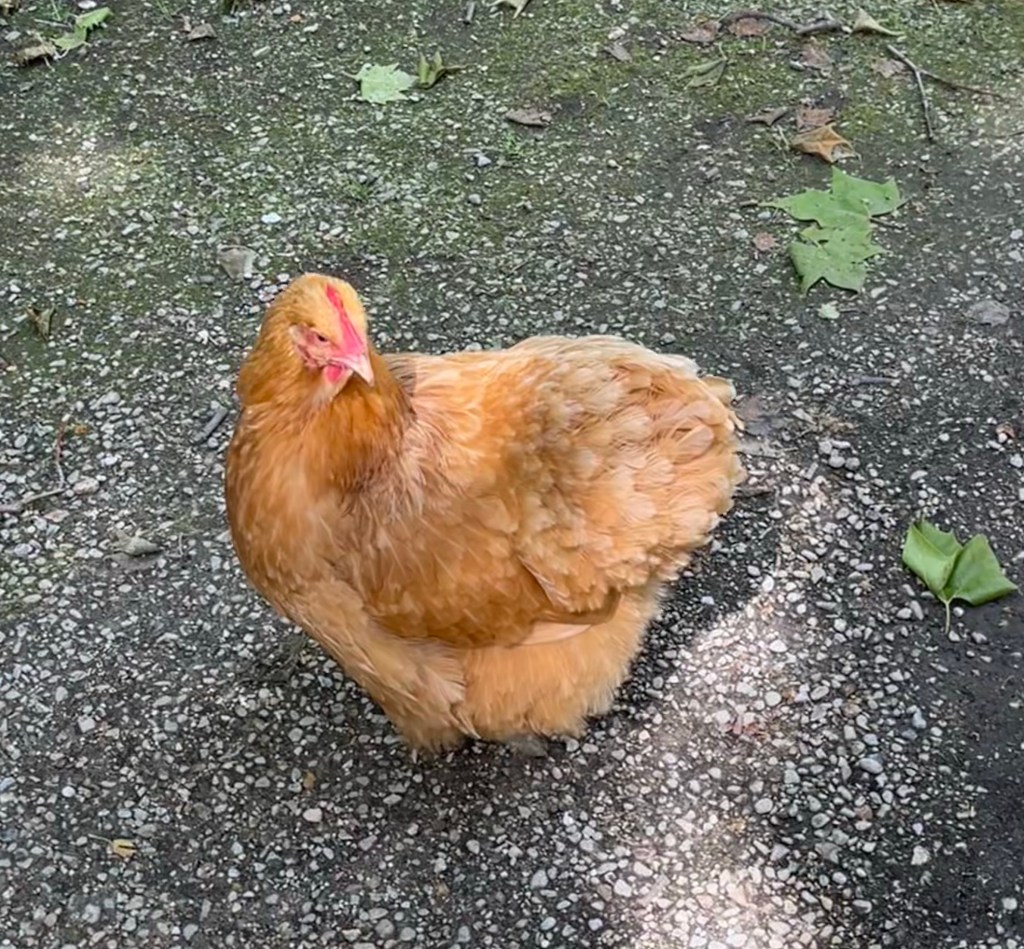
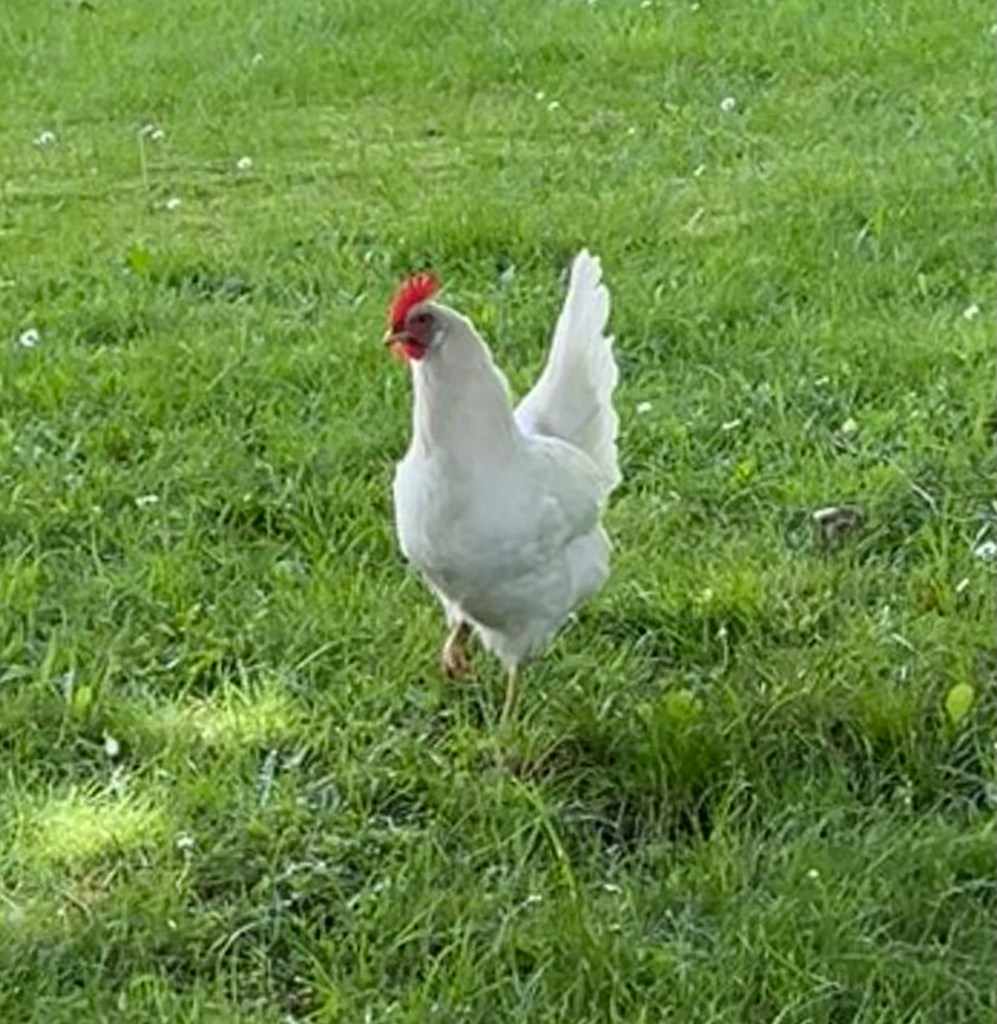
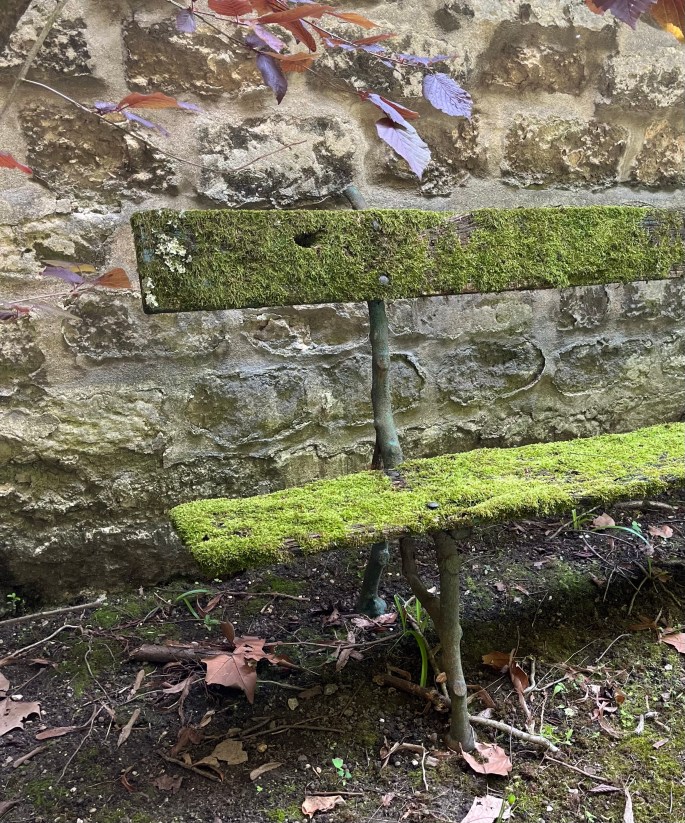
Inside the walls the chirping birds blocked out all of the daily work noise surrounding this area. There was a peaceful calm about the place that was needed after the atrocities that occured in the past.
Ginny
I took waaaaaay to many photos of the roses, but they were blooming spectacularly.

 Darden Travels