
All too soon, it was time to leave Rome and head towards our next stop – Florence, via train.
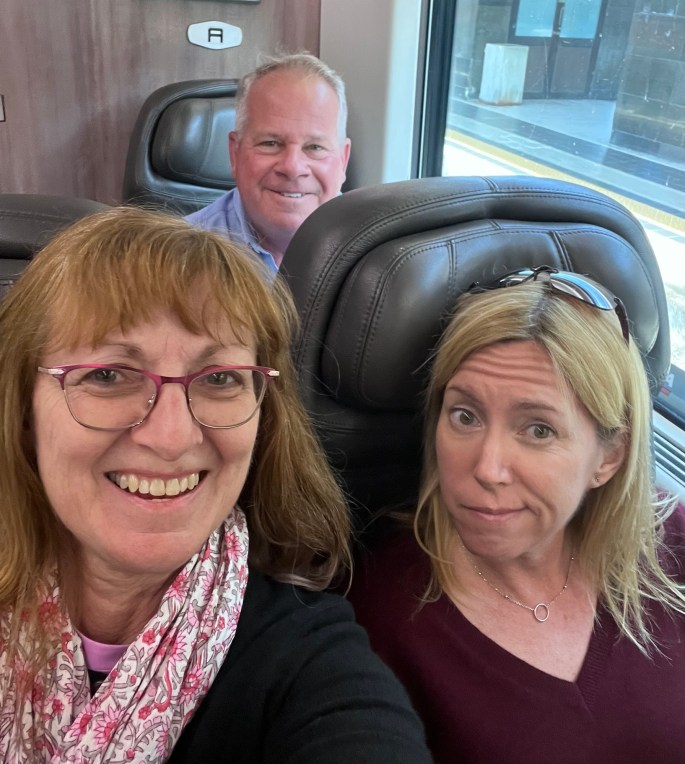
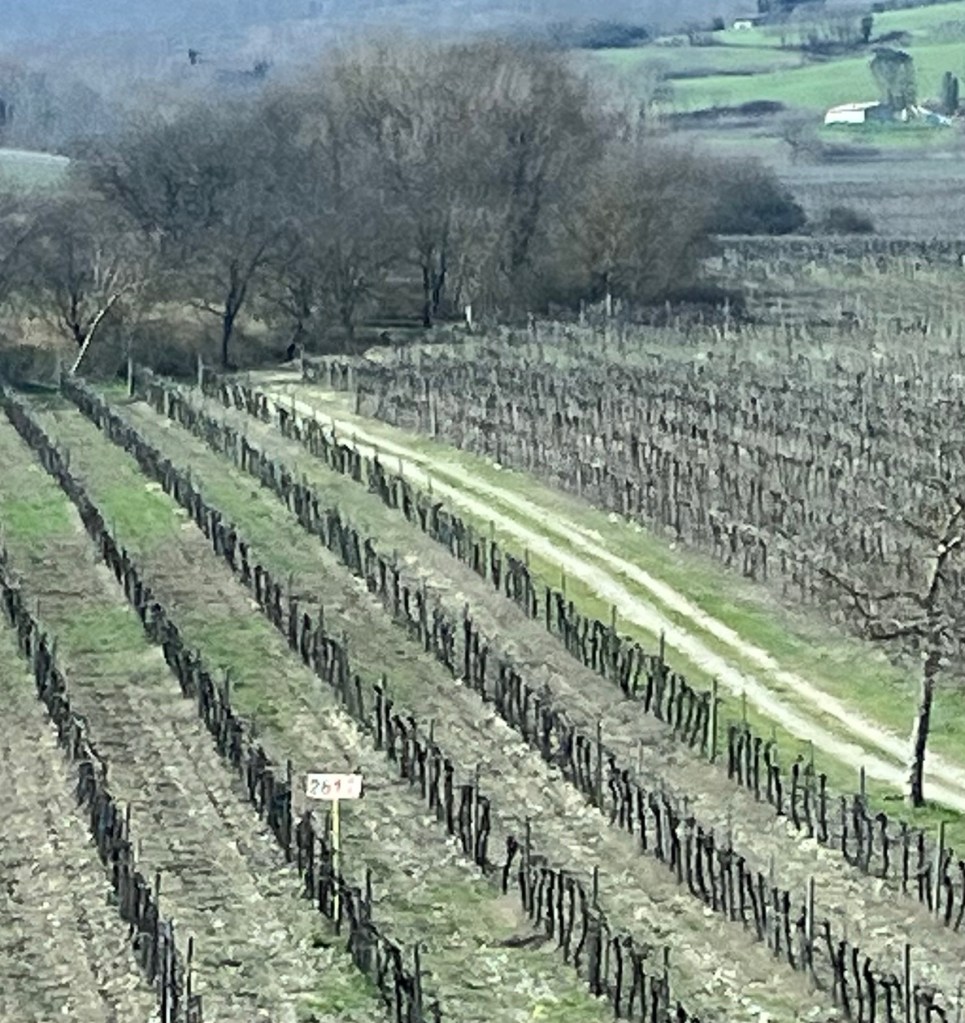
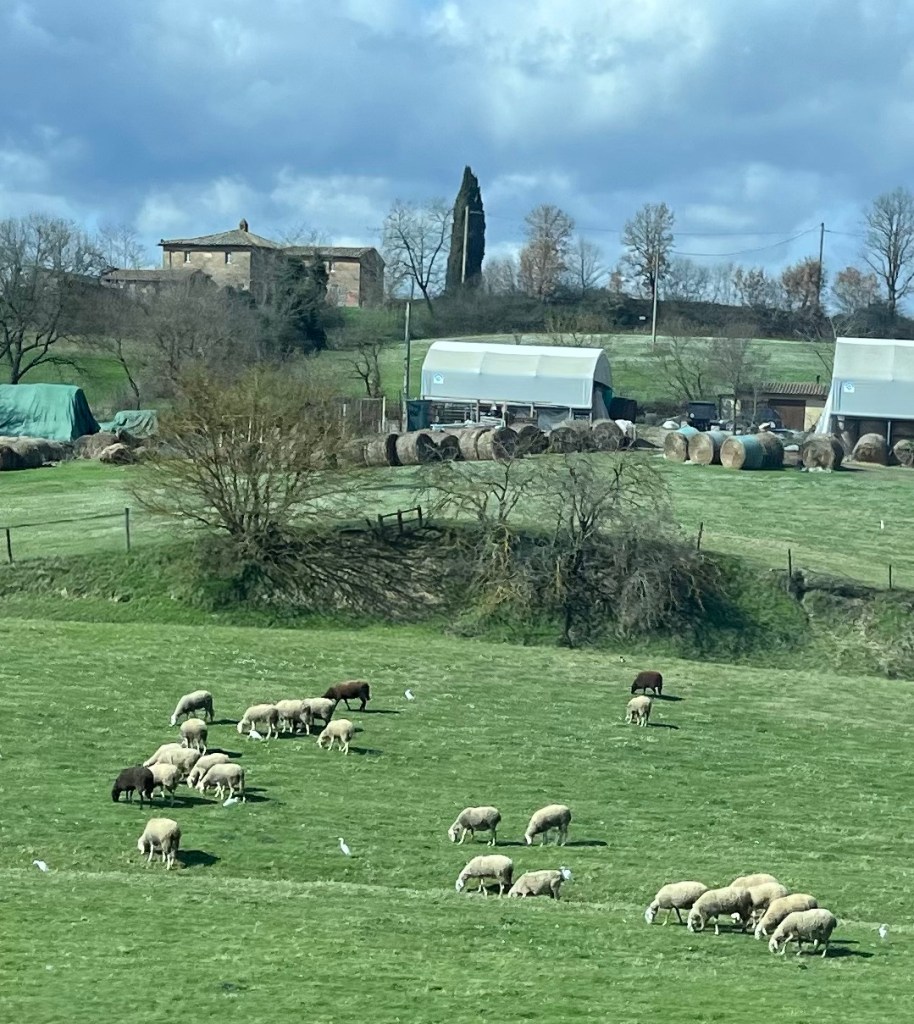
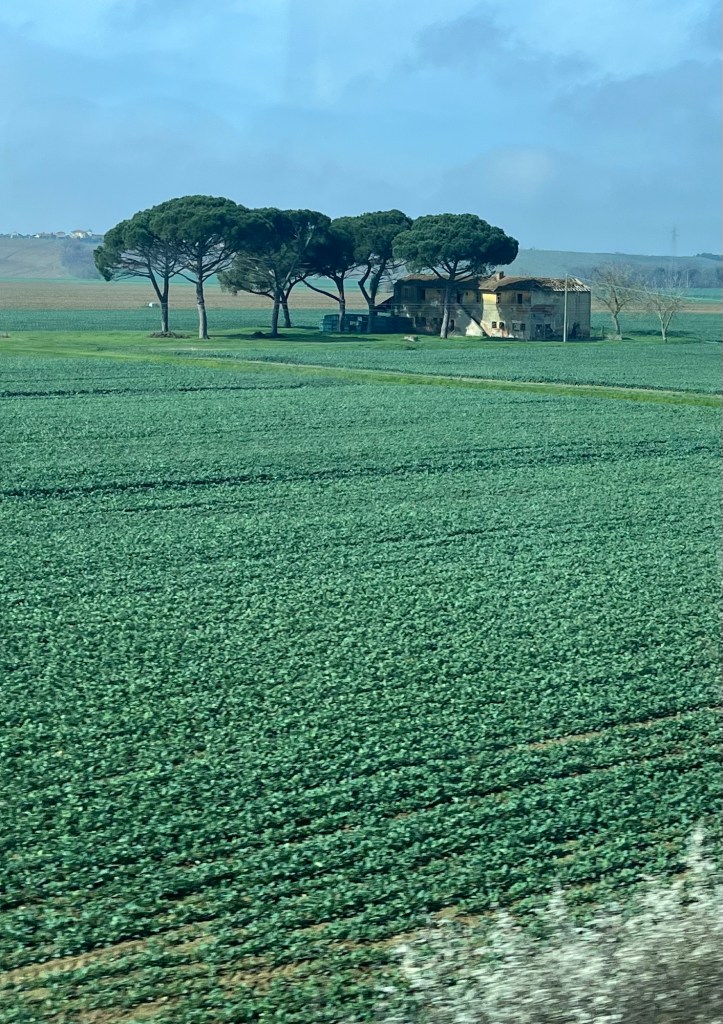
A few shots of the Italian countryside along our fast-paced journey.
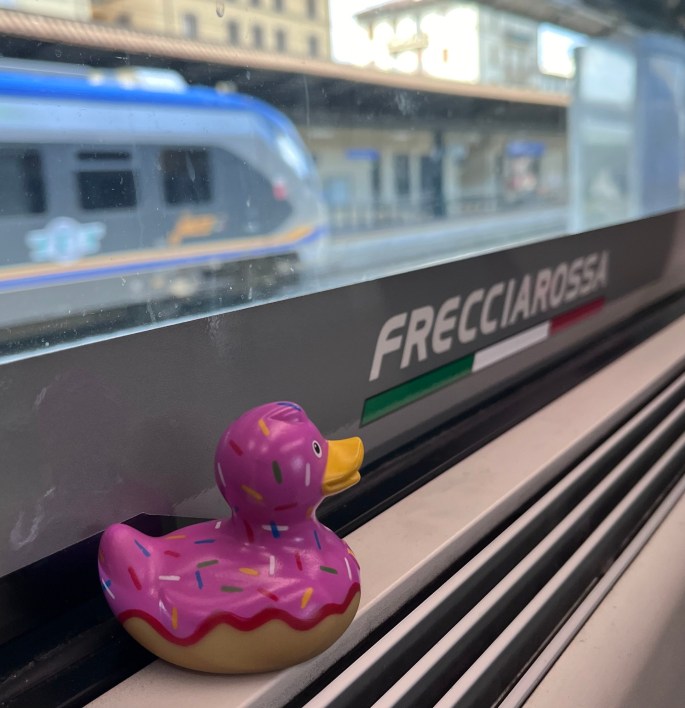
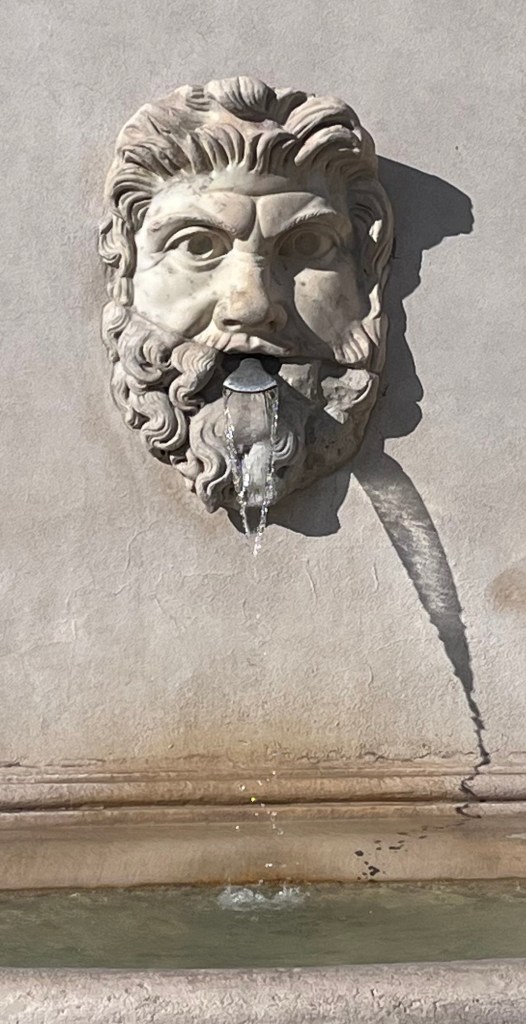
Adrienne brought along a little something extra and it has continued to bring smiles. I found a (very) different item in Rome. It makes me smile whenever it shows up in my photos.
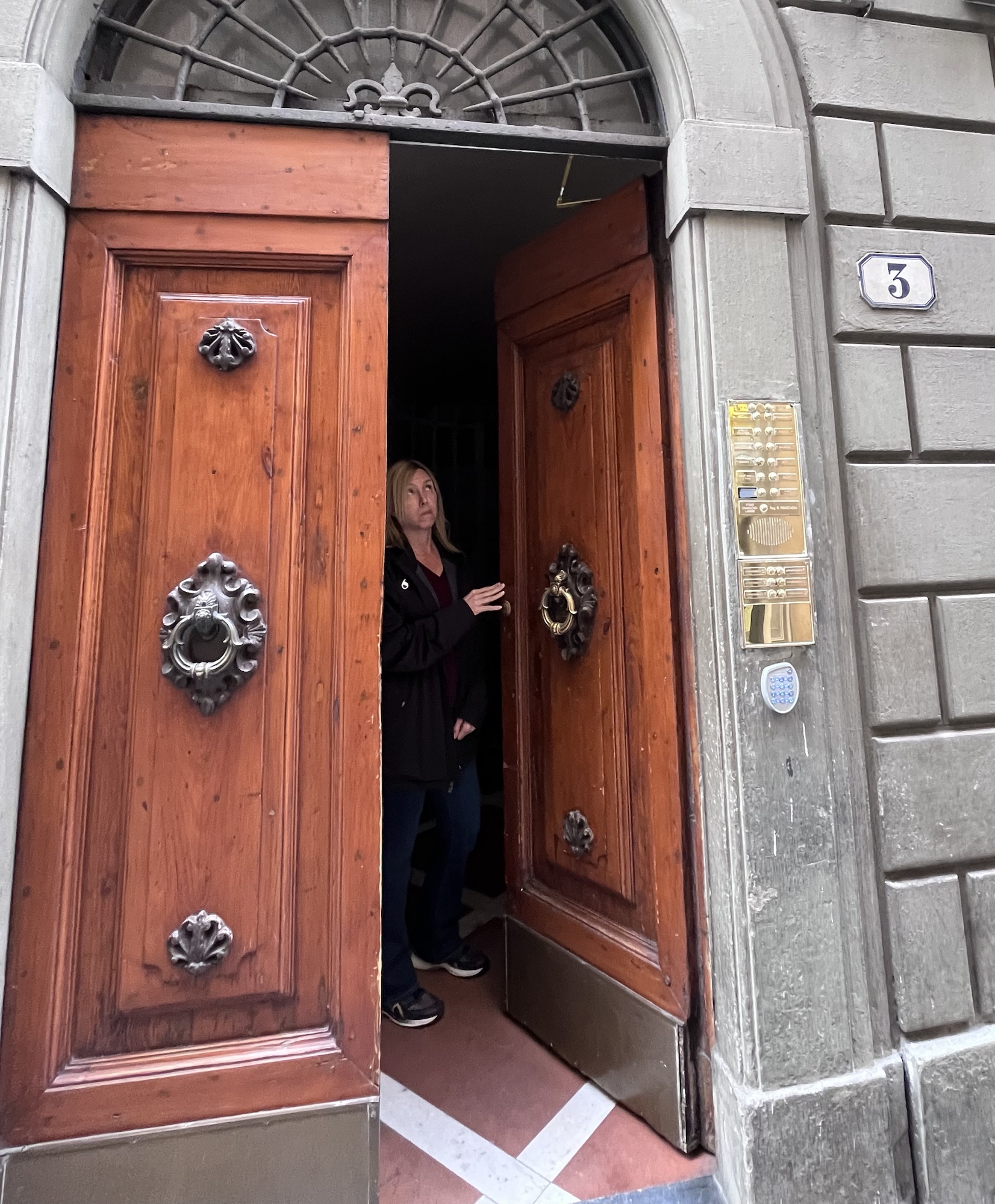
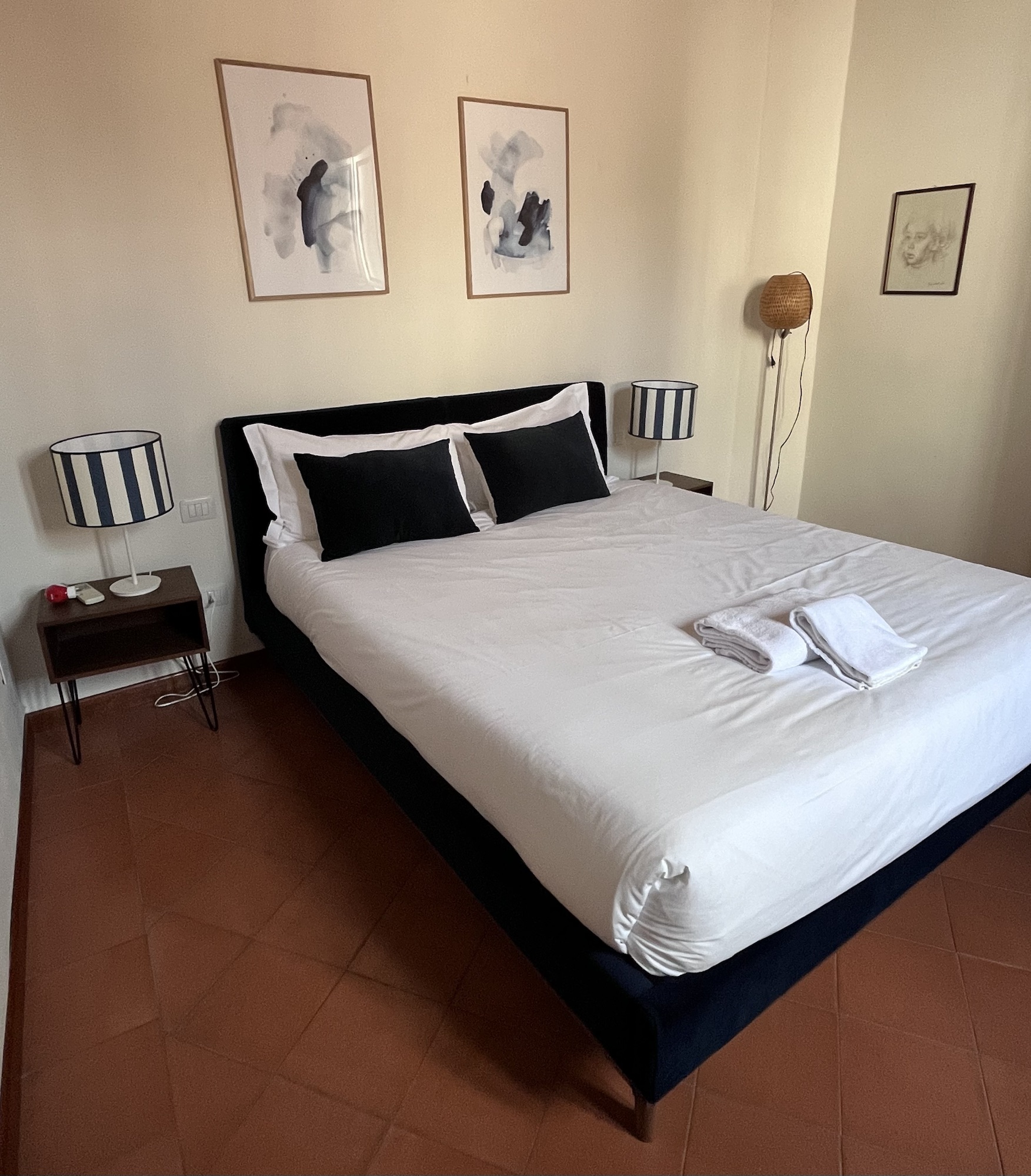
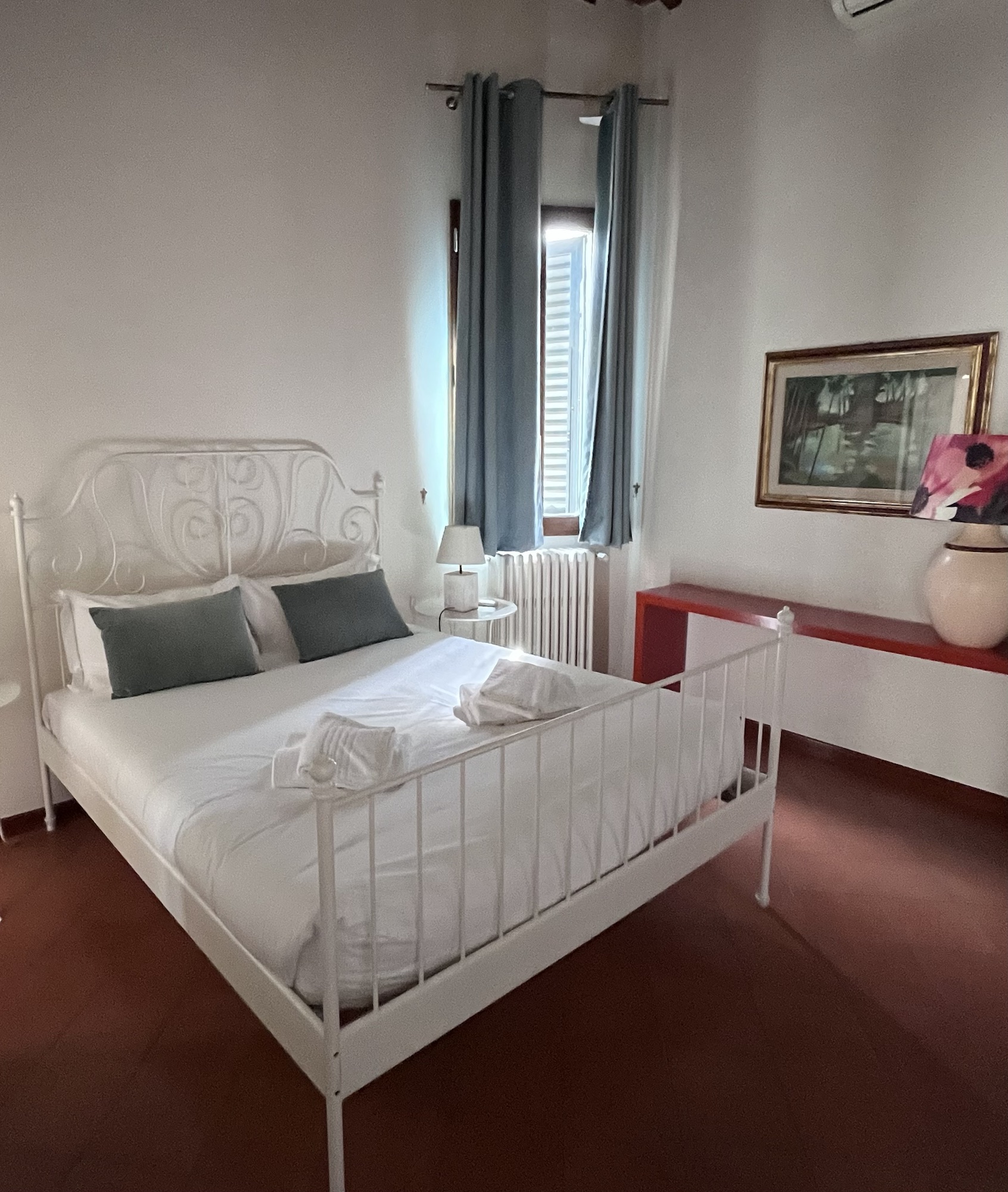
Our next apartment was another AirBNB rental.


Our first order of business was lunch. Our chosen destination was a local market located in the historic San Lorenzo marketplace, which opened in the spring of 2014 to celebrate the 140th anniversary of the iron & glass architectural building by a Florence designer. So sorry – that was quite a long run-on sentence.
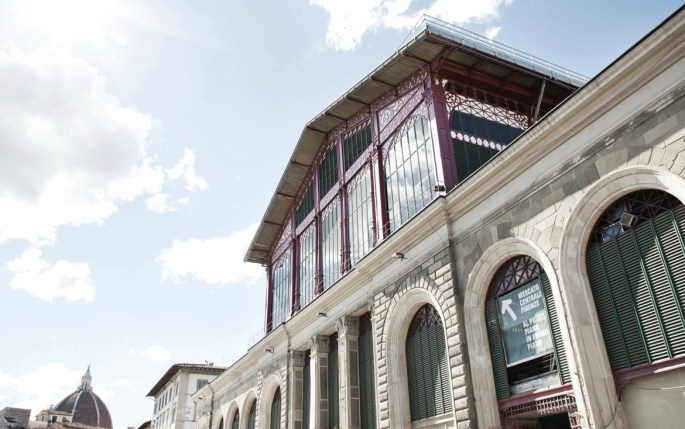
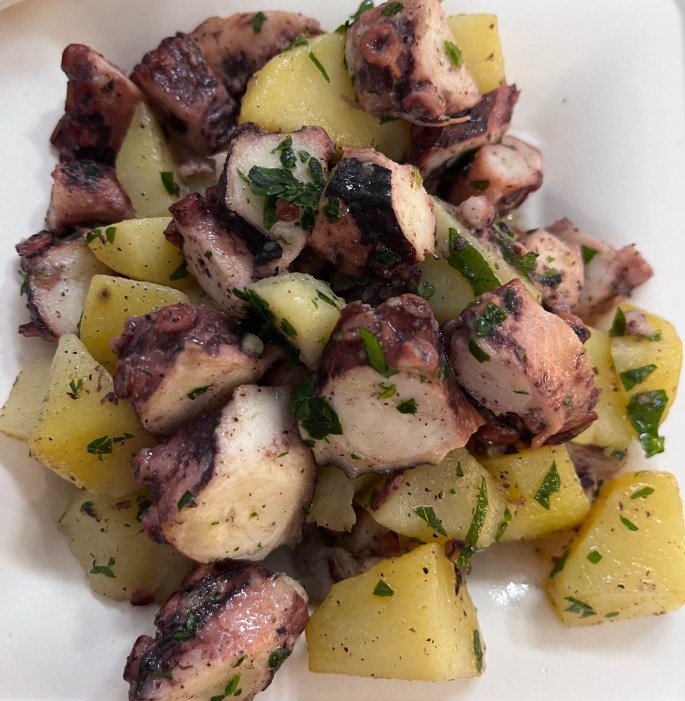
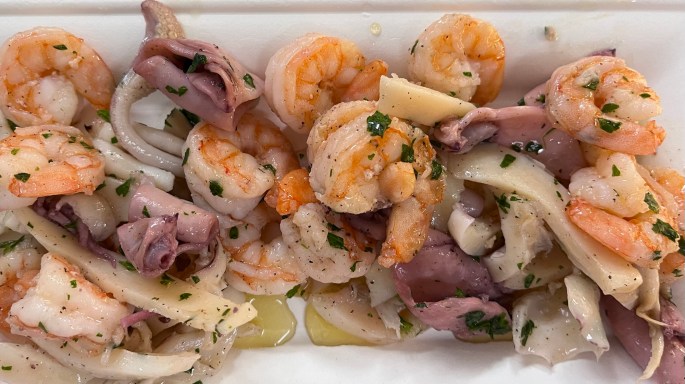
The good thing about eating in a food market……………we can each chose our own type of food. Eric was hankering for seafood and picked up these dishes.
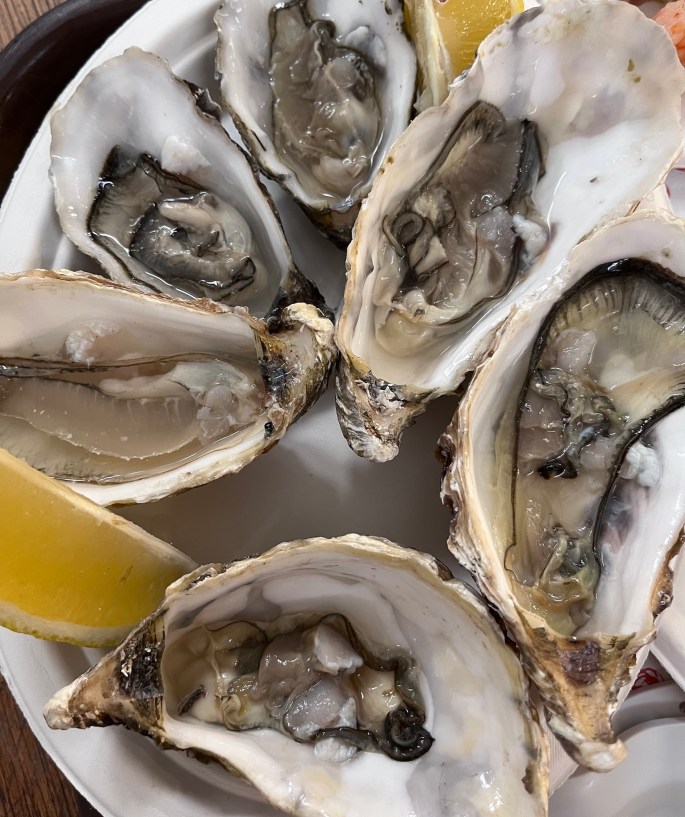
Naturally a few oysters were purchased by Eric. I tried one – still not as good as the ones I tasted in the north of France last year.
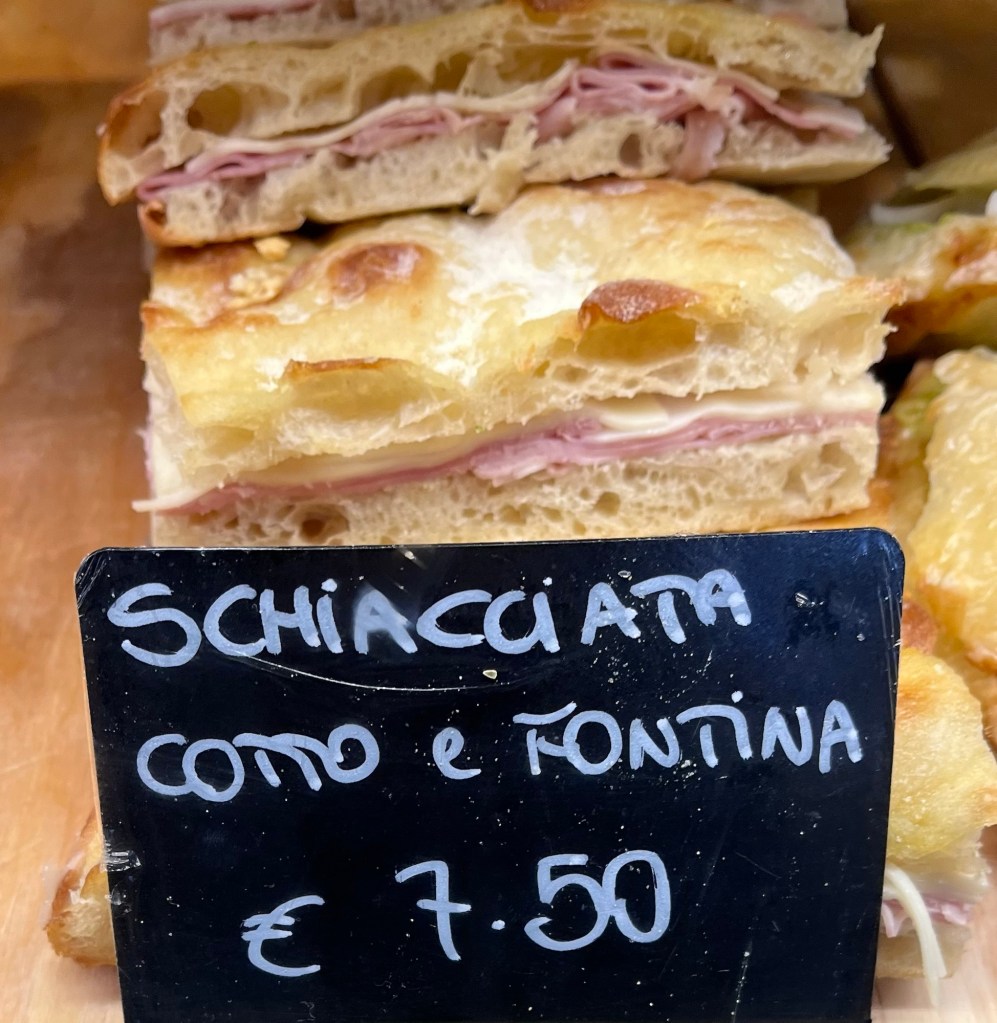
I felt like a sandwich, accompanied with wine. I only expected to eat half of it. Nope, it was all gone when my wine was finished. The focaccia bread for my sandwich – absolutely delicious!
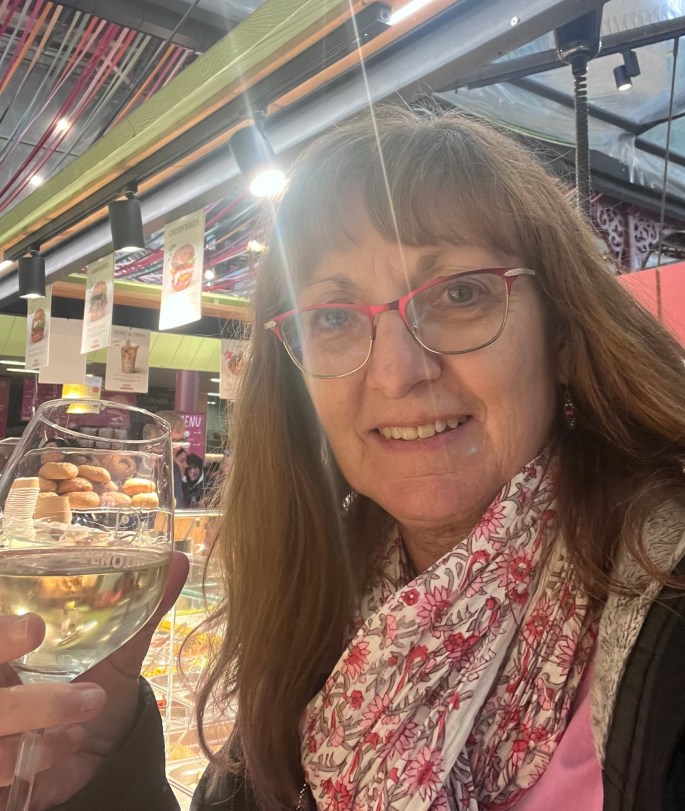
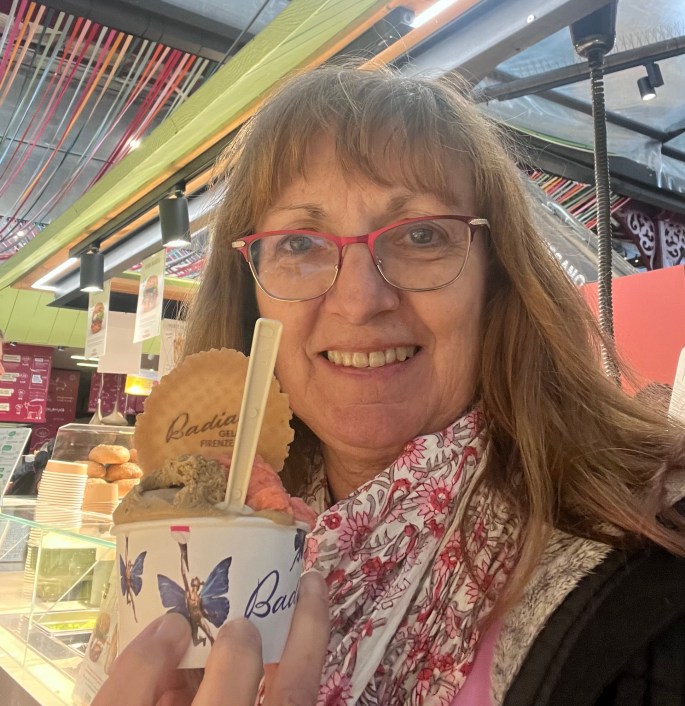
Topped it off with some gelato – which filled in the cracks. Coffee and strawberry were my flavors of choice.
After a short nap (I needed one!) we went in search of a ‘wine window’. What was that? exactly like what is sounds.
The tradition of wine windows dates back to the 16th century when aristocratic families were granted permission to sell the wine they produced in the countryside to consumers directly from their houses, without any middlemen or taxes. Cosimo de Medici, a clever banker and lord of Florence, was the mastermind behind this new sales practice. The window below was fairly close to us.

The true genius of these wine windows came to light during the plague that hit Florence in the 17th century. With the city in the throes of a deadly epidemic, the wine windows proved an ingenious architectural solution that allowed commerce to continue without risking further contagion.
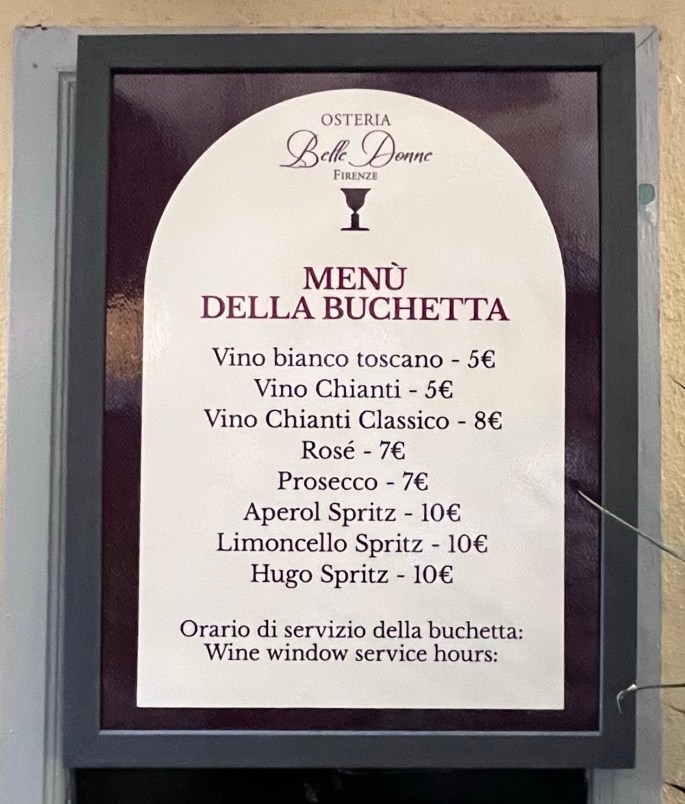
Wine windows were in use until the 1920s. But – as we are all well aware – , history repeated itself in 2020 with the onset of the most recent pandemic. Many savvy restaurateurs and bar owners were able to weather the storm by serving customers through these windows. It’s a fun way to drink some wine.

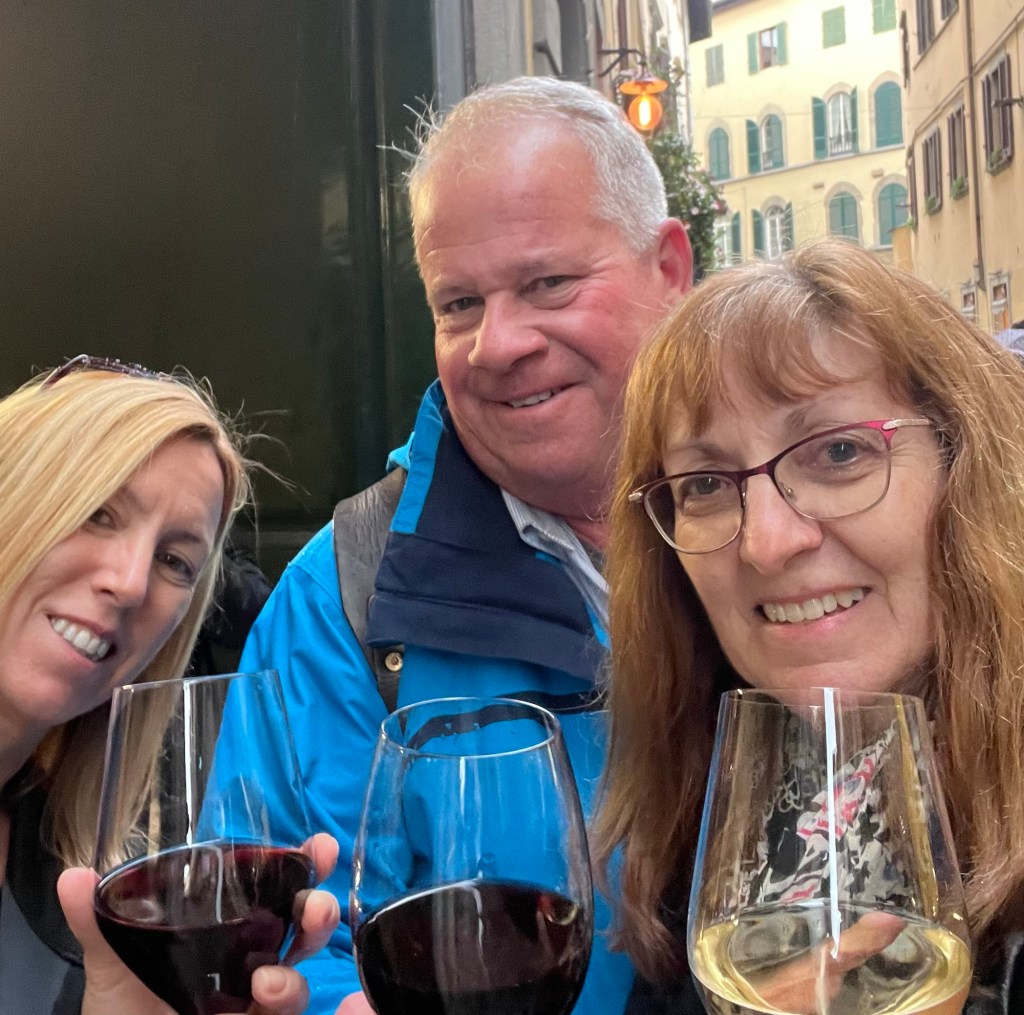
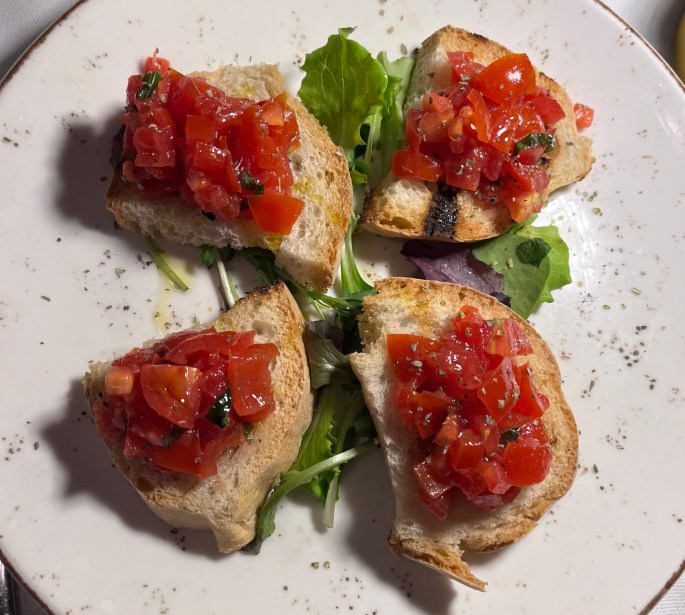
The full experience continued when we went inside in for dinner at Osteria Belle Donne. The kitchen offers traditional Tuscan and Italian dishes prepared with genuine and seasonal raw materials cooked according to ancient recipes. We started with a simple but very tasteful bruschetta – excellent way to clean your palate. We had bruschetta several times, but I believe this was the best of the best.
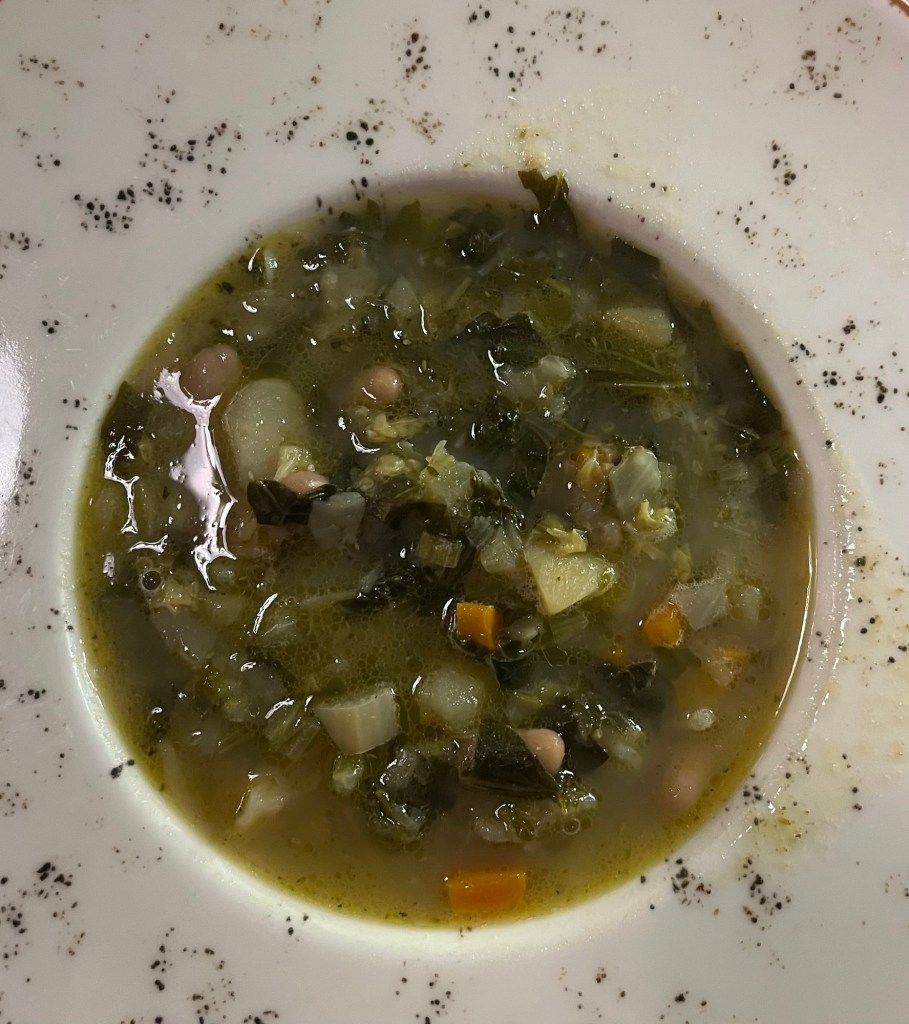
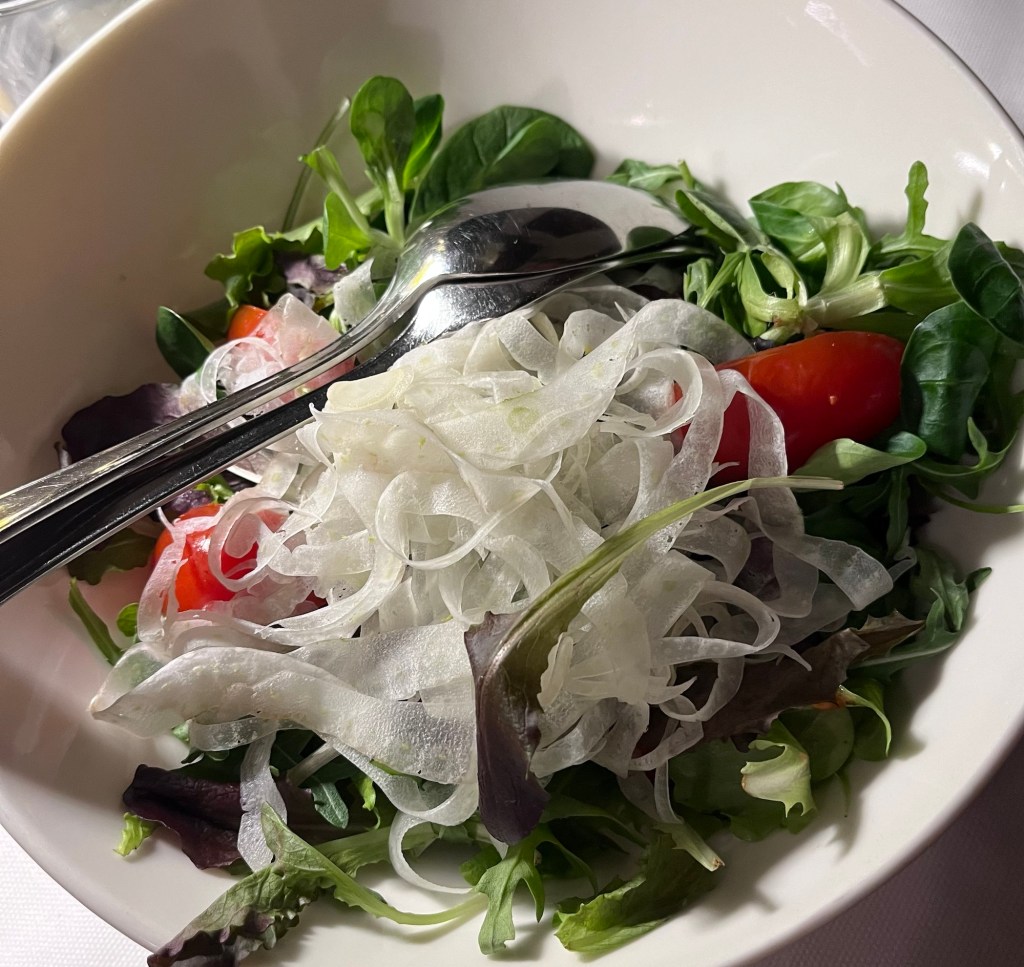
It was a nice evening for soup, soup and salad.
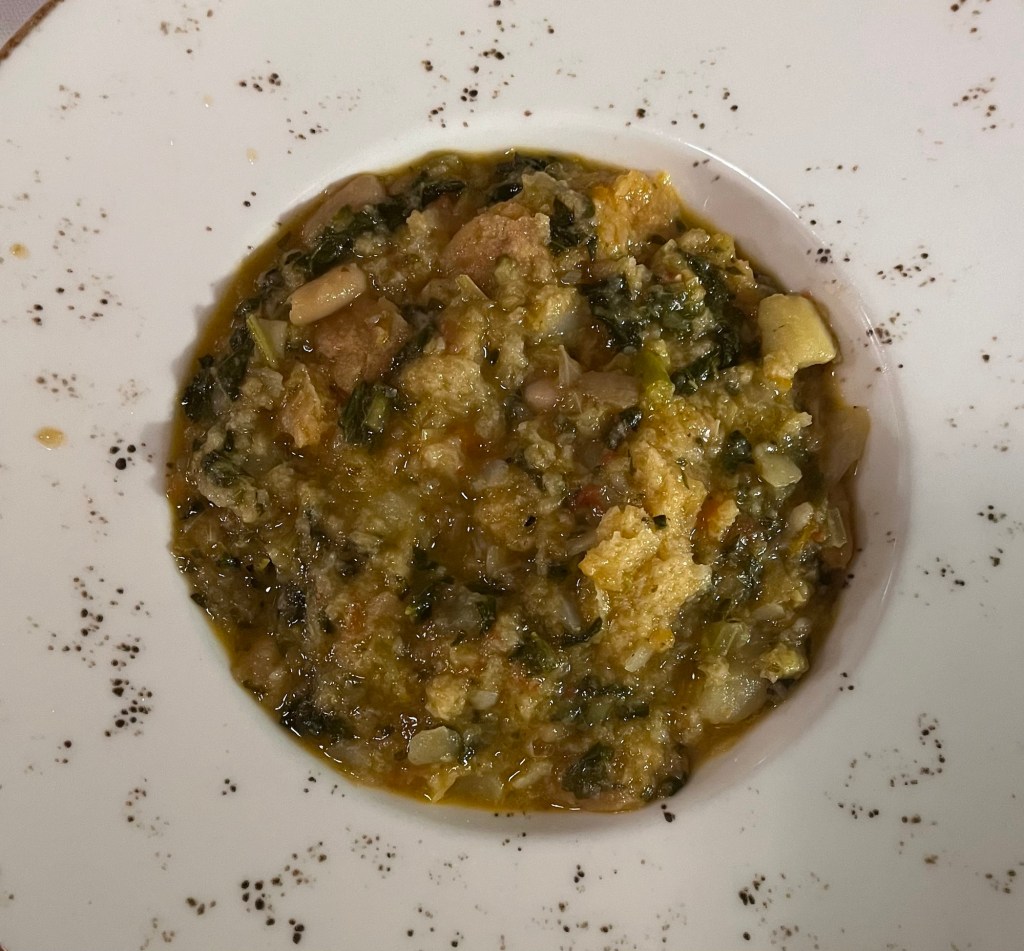
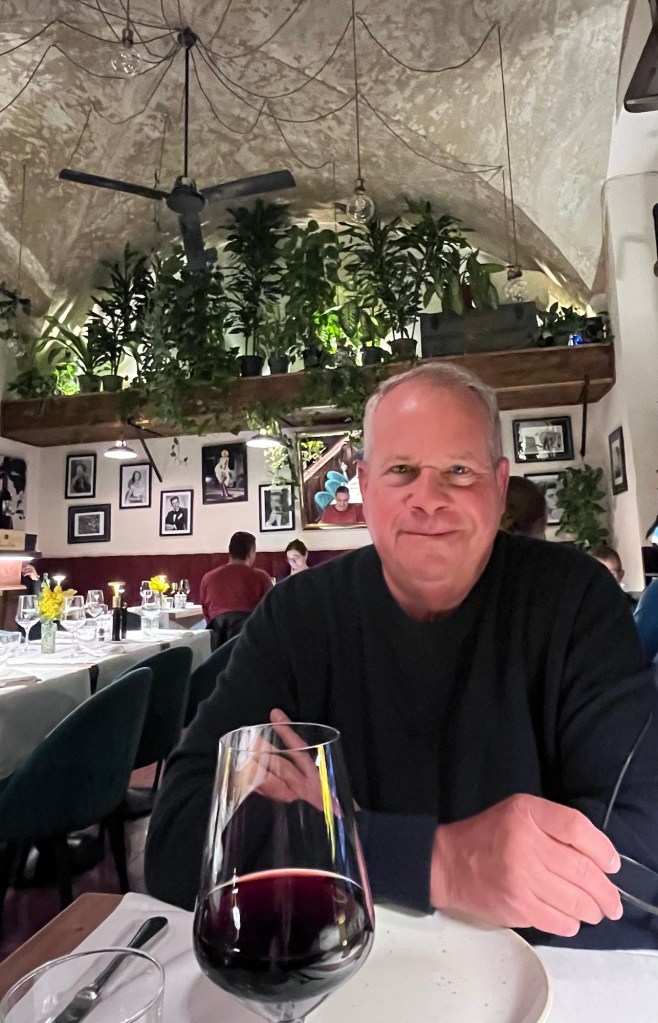
Loved the interior of the restaurant. An interesting ceiling, lined with plants and lights added to the ambience.
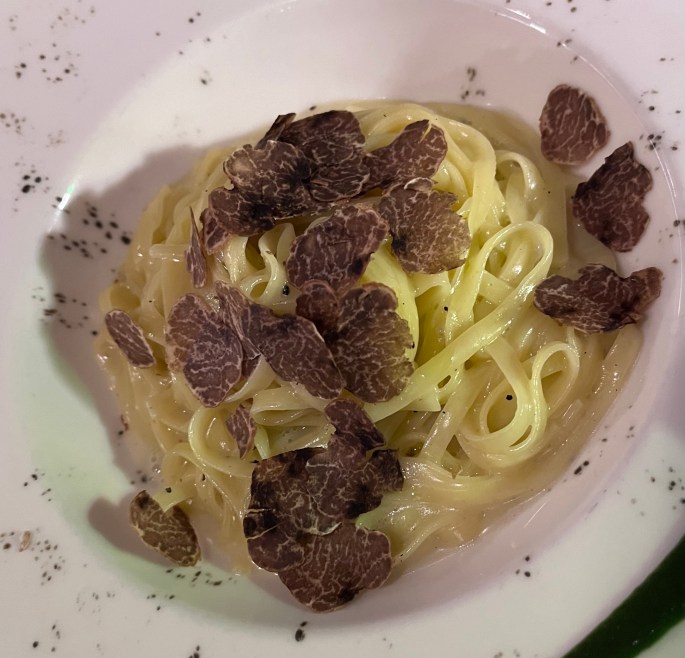
Eric needed more than soup and got the pasta with fresh truffles.

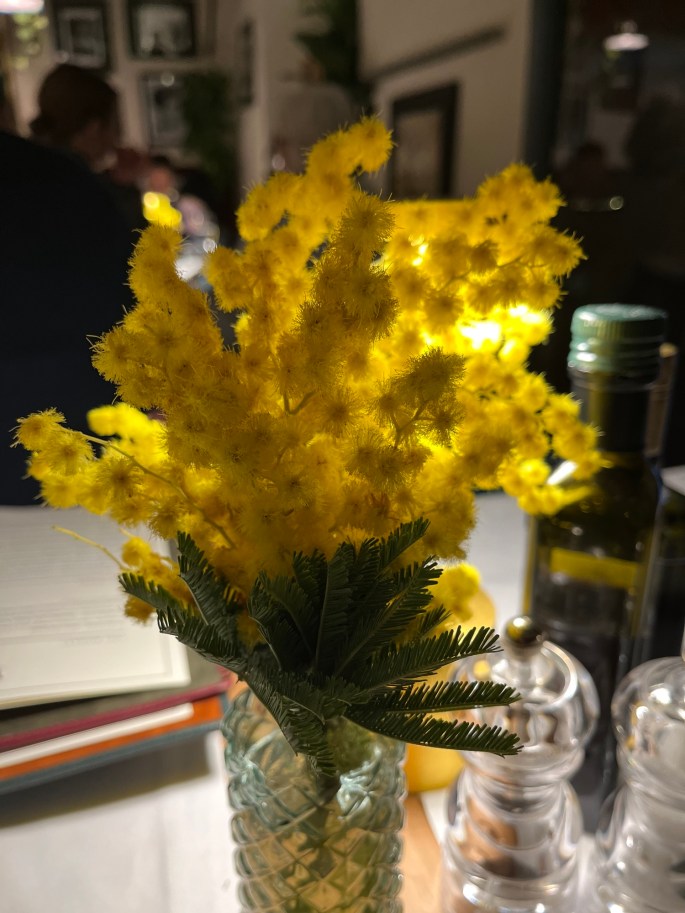
Notice the yellow flower on the table? They were very prevalent on our day of travel and were seen everywhere. Why? The yellow mimosa became the symbol of International Women’s Day in Italy and we were in Italy when celebrated. 🙂




 Darden Travels