Michelangelo’s work of Sculptures

Michelangelo di Lodovico Buonarroti Simoni  was an Italian sculptor, painter, architect, and poet of the High Renaissance. Born in the Republic of Florence, his work was inspired by models from classical antiquity and had a lasting influence on Western art. Michelangelo’s creative abilities and mastery in a range of artistic arenas define him as an archetypal Renaissance man. Michelangelo achieved fame early with the statue of David being one of his best-known works, sculpted before the age of thirty. 

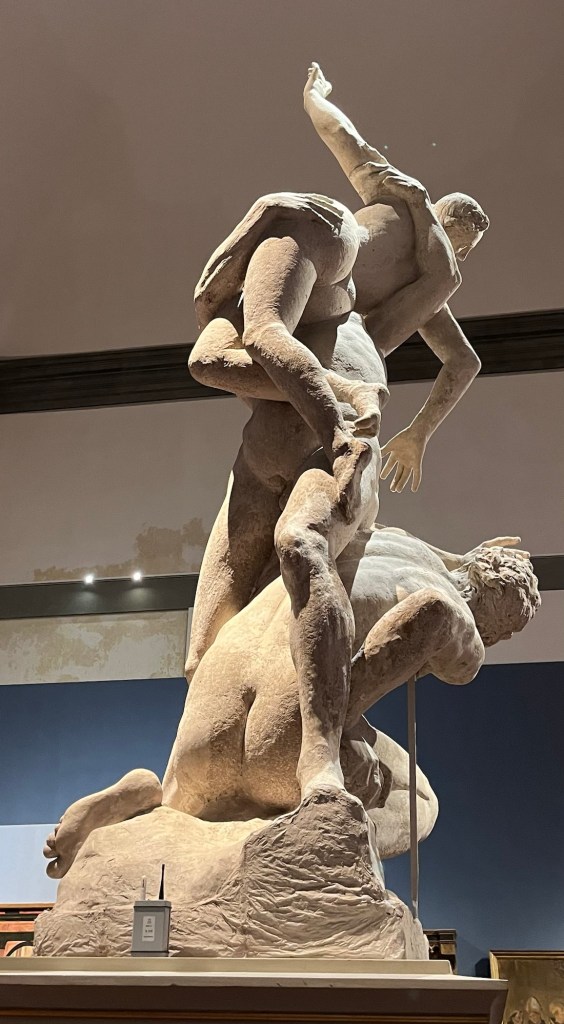
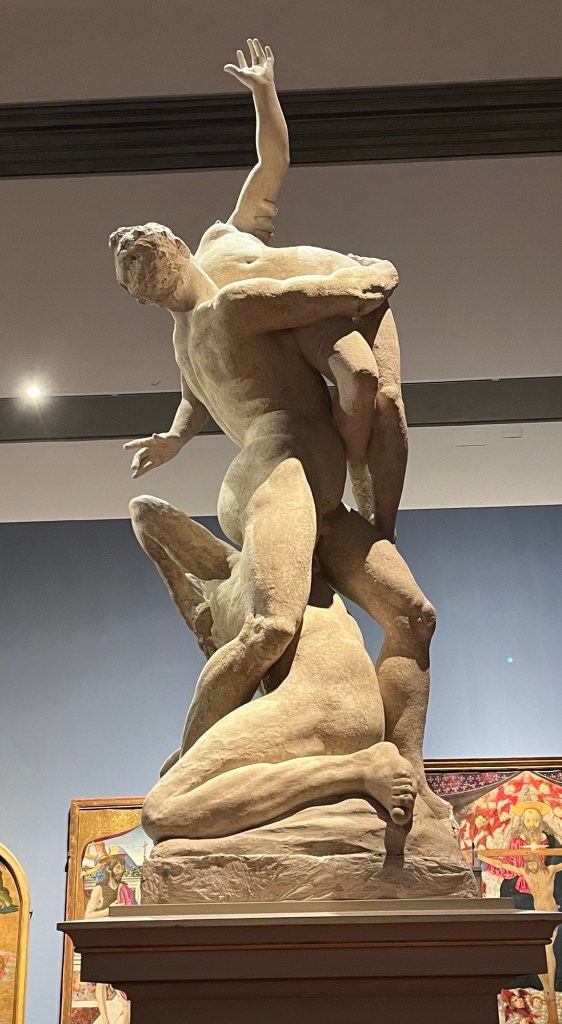
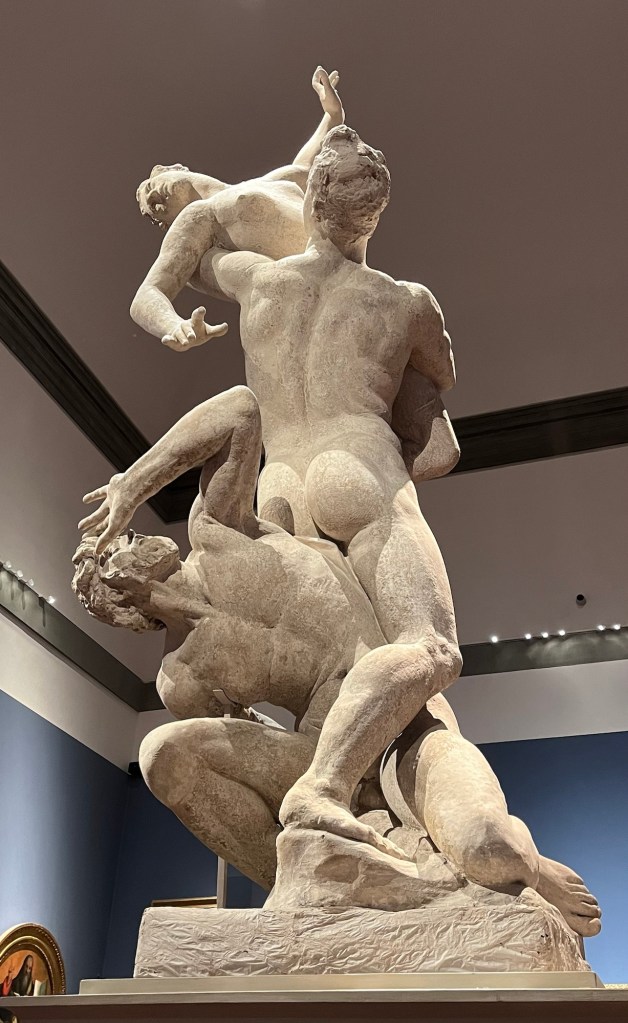
Booking this tour was one of the expected highights of our time in Florence. Going into the Galleria dell-Accademia The Rape of the Sabine Women was the first thing seen. Our guide walked around the statue to show the different perspectives.
The story goes the abduction of Sabine women occurred in the early history of Rome shortly after its founding in the mid-8th century BC and was perpetrated by Romulus and his predominantly male followers.  With Rome growing at such a steady rate in comparison to its neighbors, Romulus became concerned with maintaining the city’s strength. His main concern was that with few women inhabitants there would be no chance of sustaining the city’s population, without which Rome might not last longer than a generation.

The Romans then set out into the surrounding regions in search of wives to establish families with but were unsuccessful. The Sabines feared the emergence of a rival society and refused to allow their women to marry the Romans. Consequently, the Romans devised a plan to abduct the Sabine women during an upcoming festival.

The story was part of the founding mythology of Rome and historically disputed.

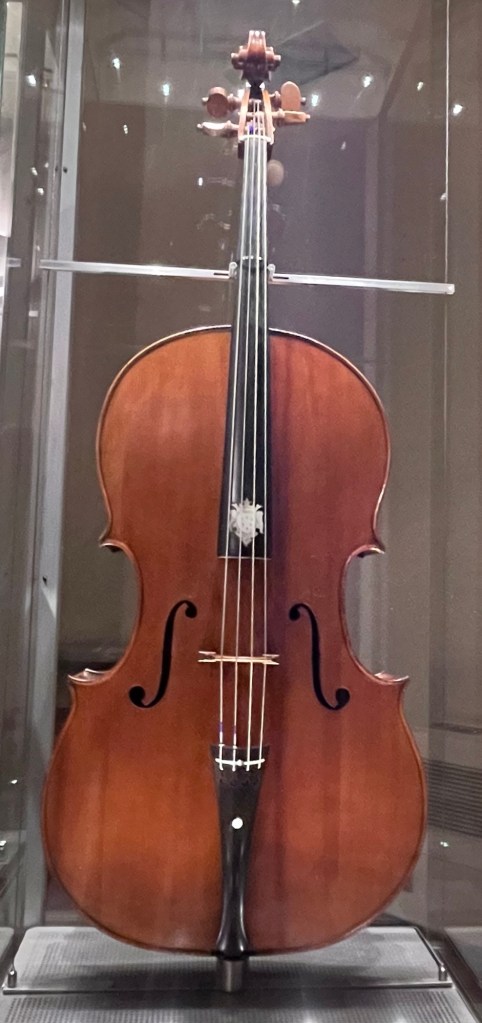
The next room was dedicated to some musical instruments from the collection of the Medici family. Their medallion seen under the strings indicates this was made for the Medicis.

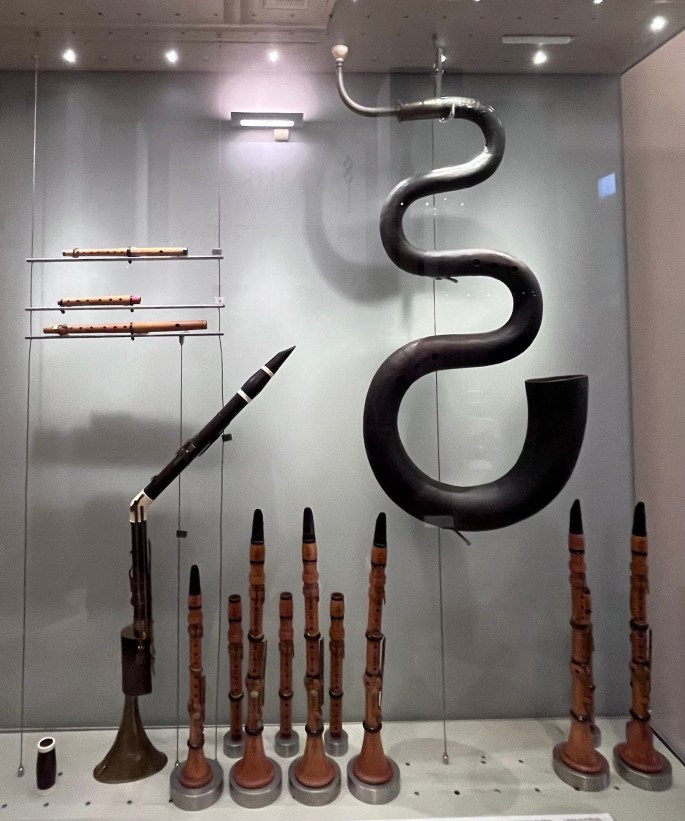
There was one display with musical instruments that no longer exist. Interesting. Hmmm I wonder why……

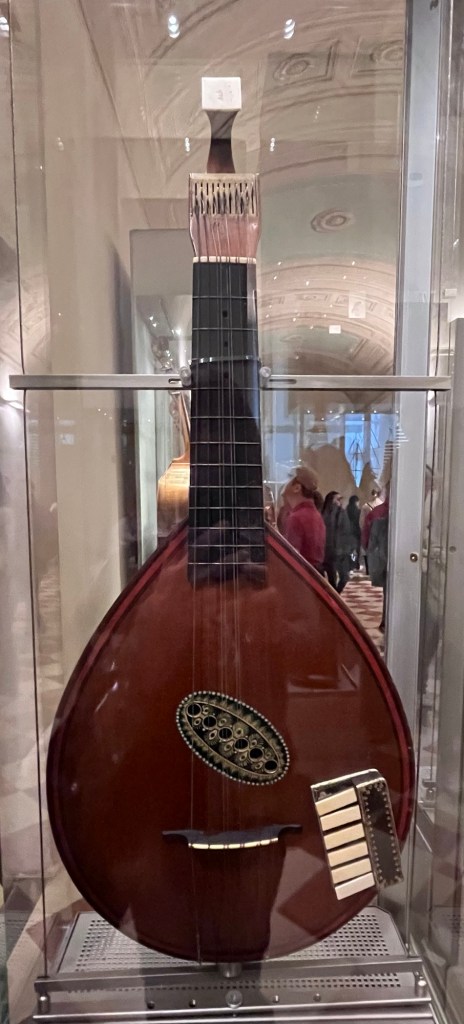
Here they tried to combine two instruments together – notice the piano keys? This was another idea that didn’t take off.

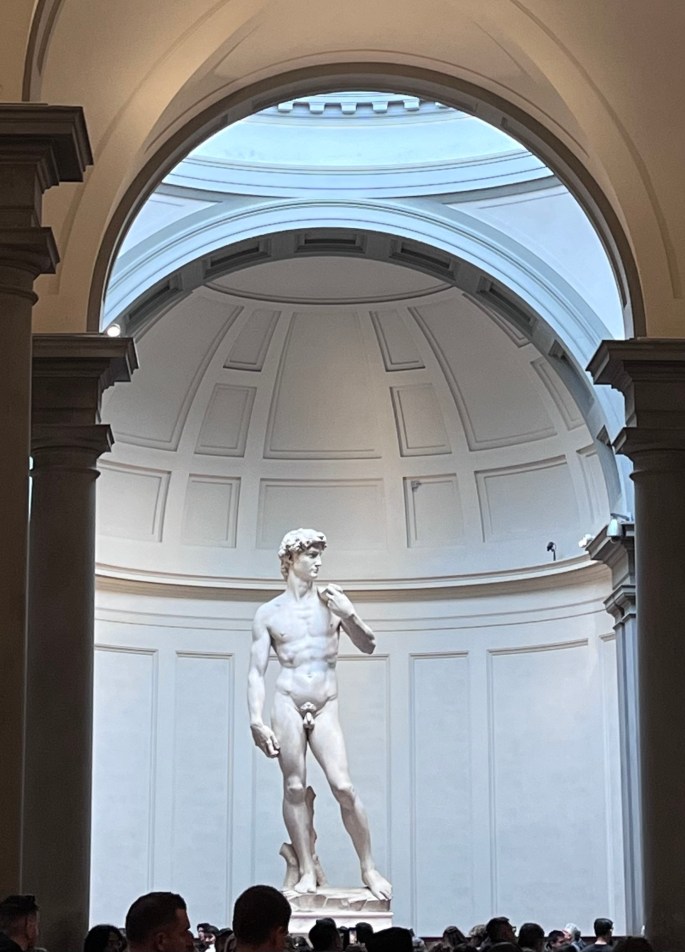
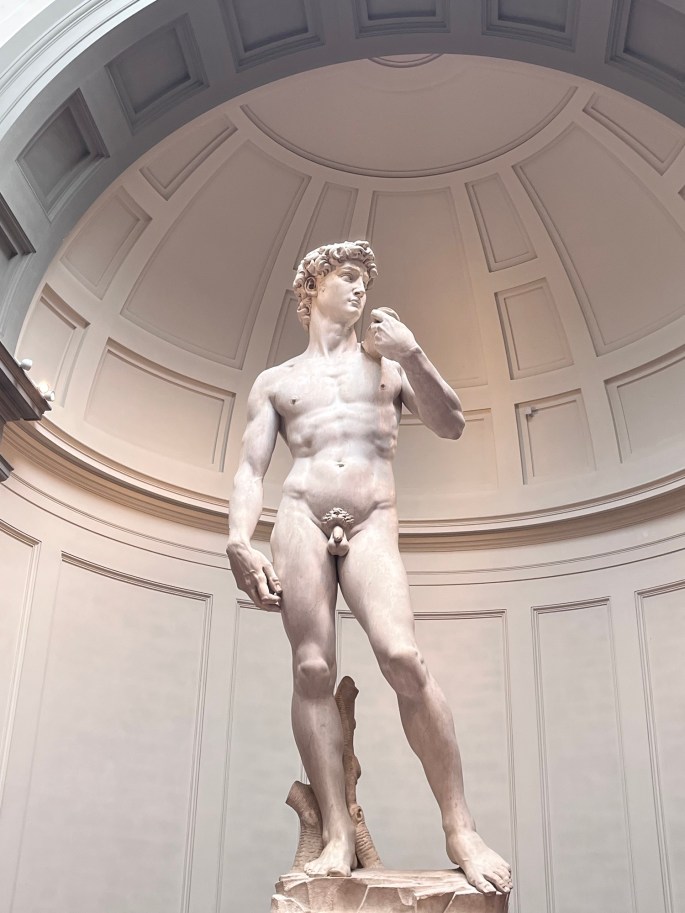
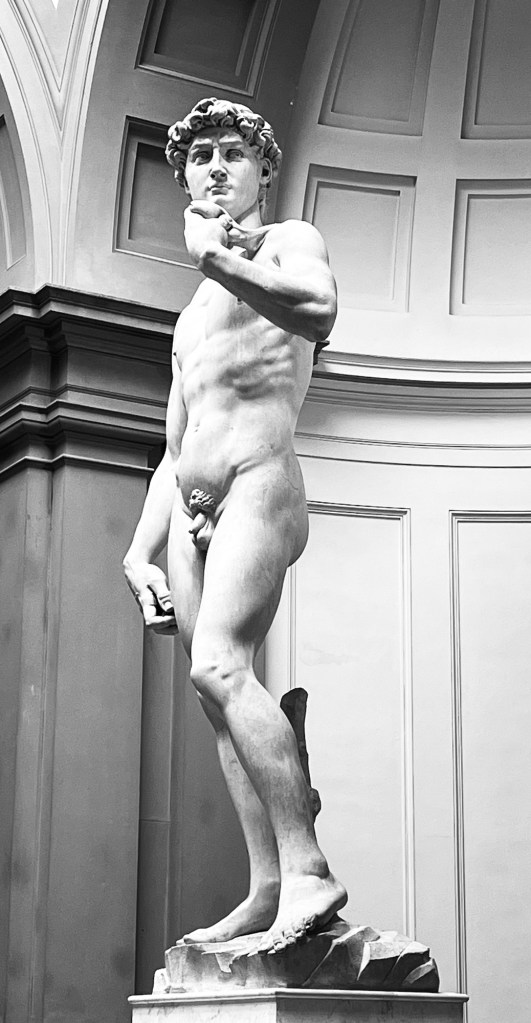
We walked through a few more rooms before walking into the main reason for booking the ‘skip the line’ tour. With a height of 17 ft, the David was the first colossal marble statue made in the early modern period following classical antiquity, a precedent for the 16th century and beyond.

Michelangelo developed his love of marble when his family returned to Florence. At the death of his mother when he was six years old, he lived with a nanny and her husband, a stonecutter, in the town of Settignano, where his father owned a marble quarry and a small farm.
The pose of Michelangelo’s David is unlike that of earlier Renaissance depictions of David. David is depicted before his battle with Goliath. Rather than being shown victorious over a foe much larger than he, David looks wary as he sizes up the giant Goliath before the battle has actually taken place. His brow is drawn, his neck tense, and the veins bulge out of his lowered right hand. 

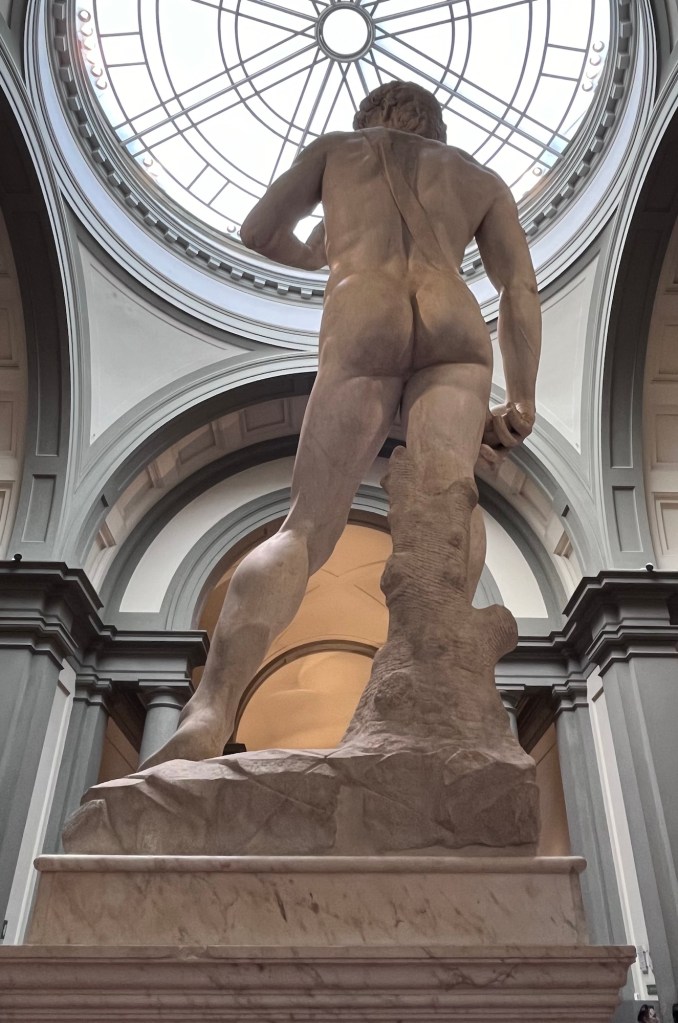
Visitors can walk around the statue but not sure most take a photo from this angle.

The massive block of white marble that was to become the David, was of bianco ordinario grade stone, rather than the superior statuario. It came from the old Roman Fantiscritti quarry at the centre of the Carrara marble basins. He was not the first sculptor to attempt this project but the third. In August 1501, Michelangelo was given the official contract to undertake this task.

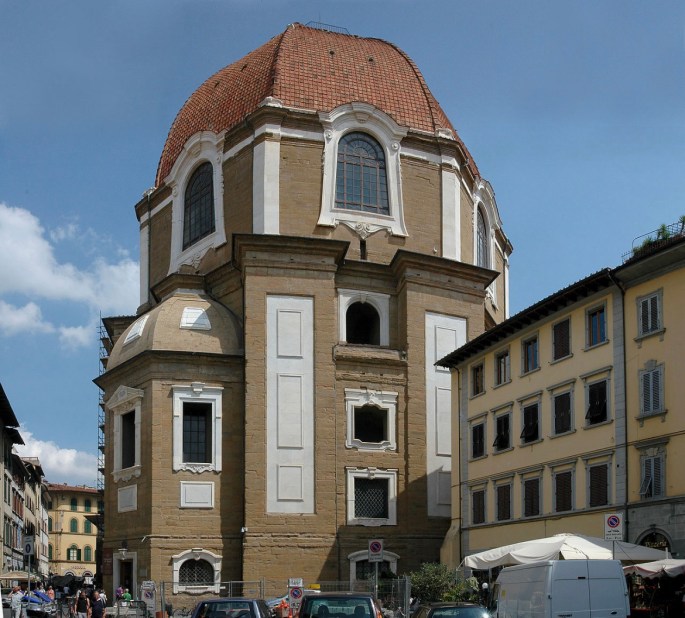
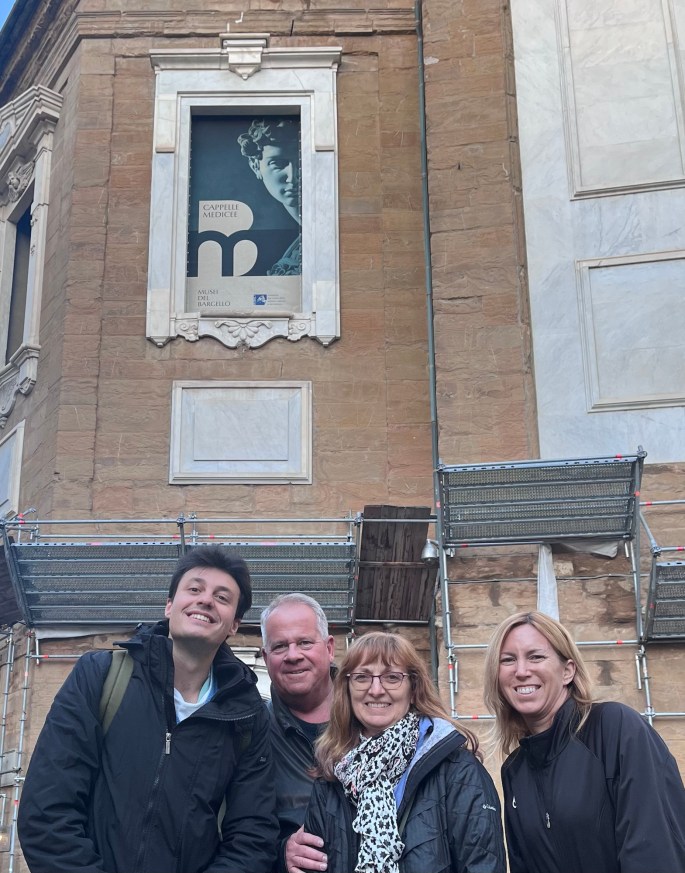
But we didn’t stop with Michelangelo’s David. Another afternoon we met the same tour guide from earlier in the week, Guido, and learned much, much more about the Medecis than expected. He had a great passion for art which encouraged us to book this particular tour. He called the Medeci Chapel a ‘hidden gem’. He was right.

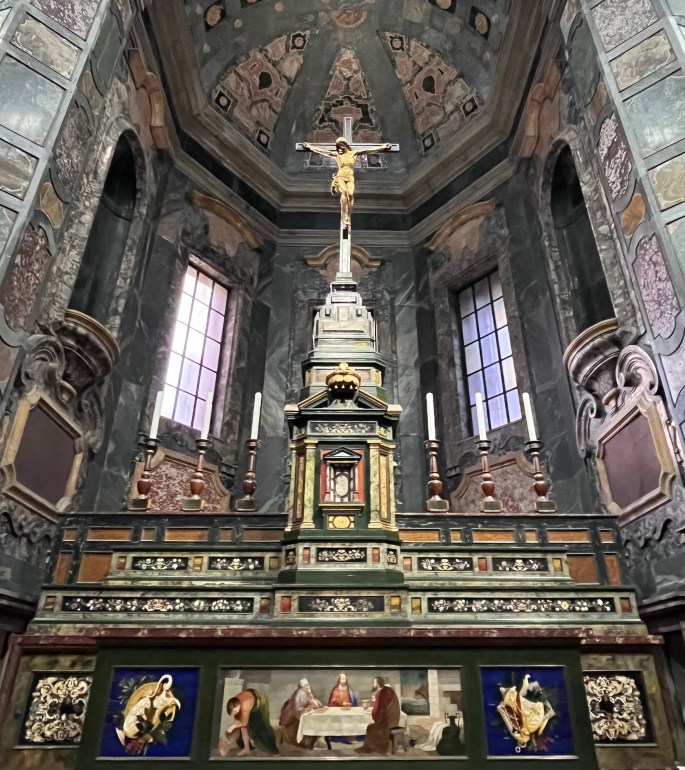
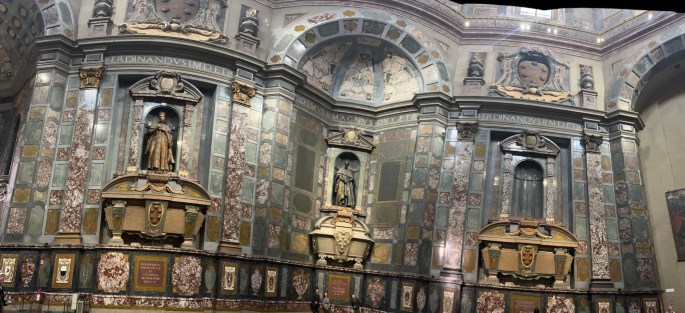
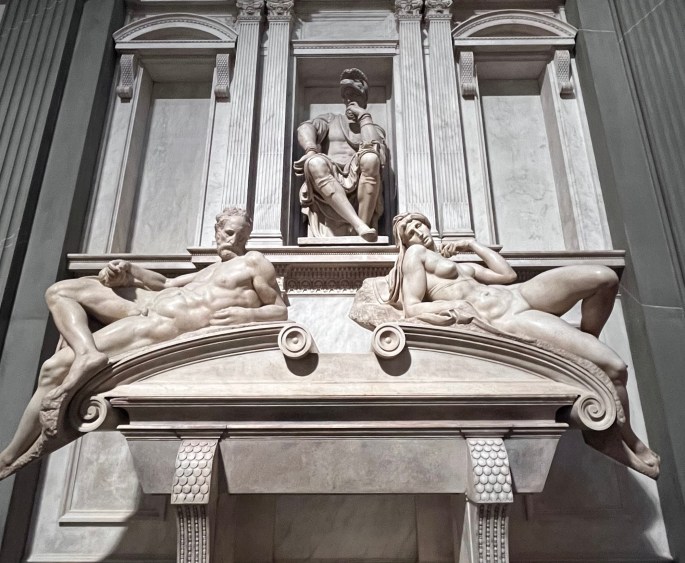
The Sagrestia Nuova or New Sacristy, also known simply as the Medici Chapel, was intended as a mausoleum or mortuary chapel for members of the Medici family.  Constructed in 1520 it was designed by Michaelangelo.

After a fairly extensive explanation of the Medici family tree, we went upstairs and was instantly WOWed!

First photo was from left to right upon entering the chapel.

Second photo was the center of the chapel.

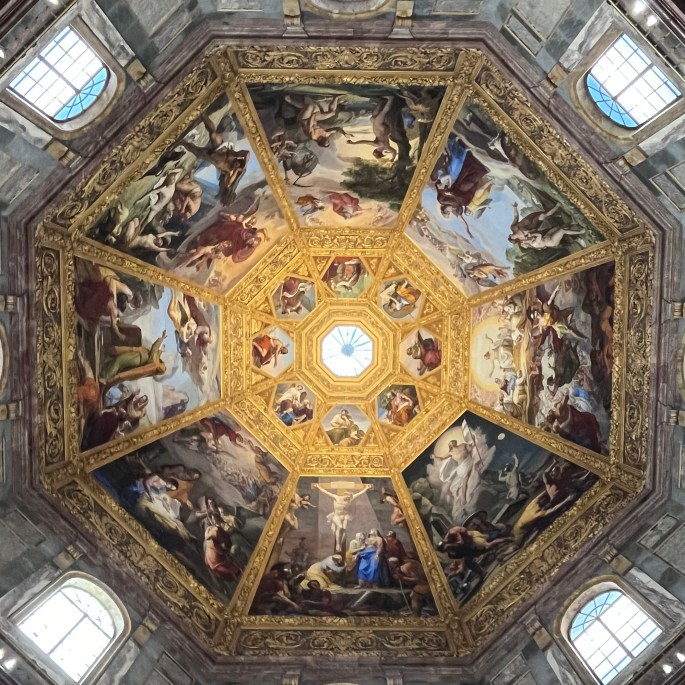
This photo was continuing the circumference of the room after the alter.

You might notice the empty spaces where statues were originally intended? Money was available for the two statues, then ran out. Let’s not forget the dome.

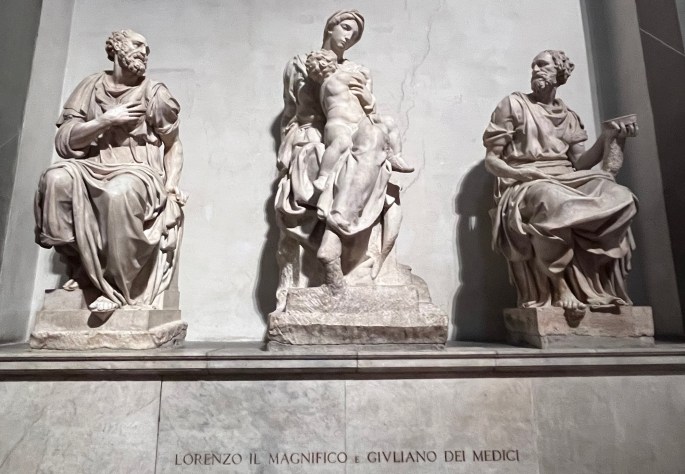
While this was truly awe-inspiring, a short passageway led to an enclave of more statues by Michaelangelo.

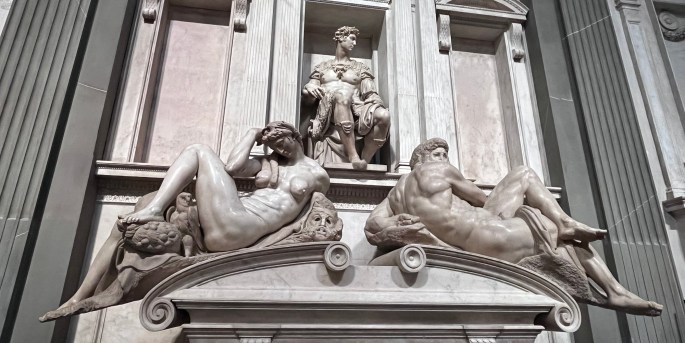
Tomb of Giuliano de’ Medici with ‘Night’ (the female) and ‘Day’ (the male).

Tomb of Lorenzo de’Medici with ‘Dusk (the male) and ‘Dawn’ (the female).

The center sculpture is called ‘Madonna and the child’ and completed by Michelangelo with the other two completed by those that worked with him.

This definitely was one of Florence’s Hidden Gems and glad that we stopped in.

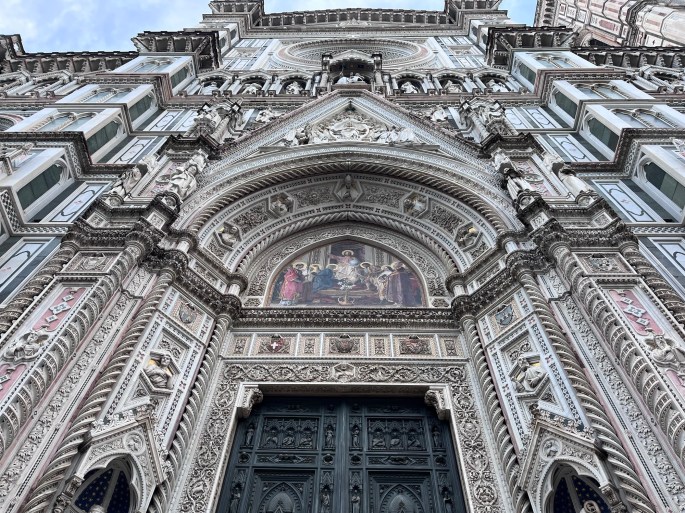
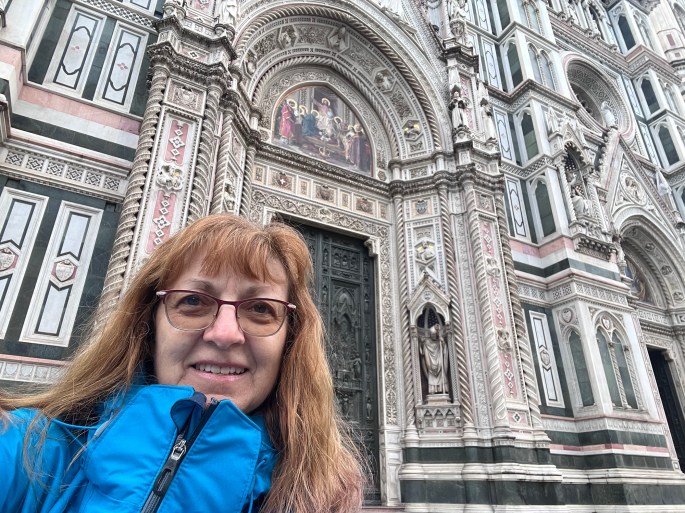
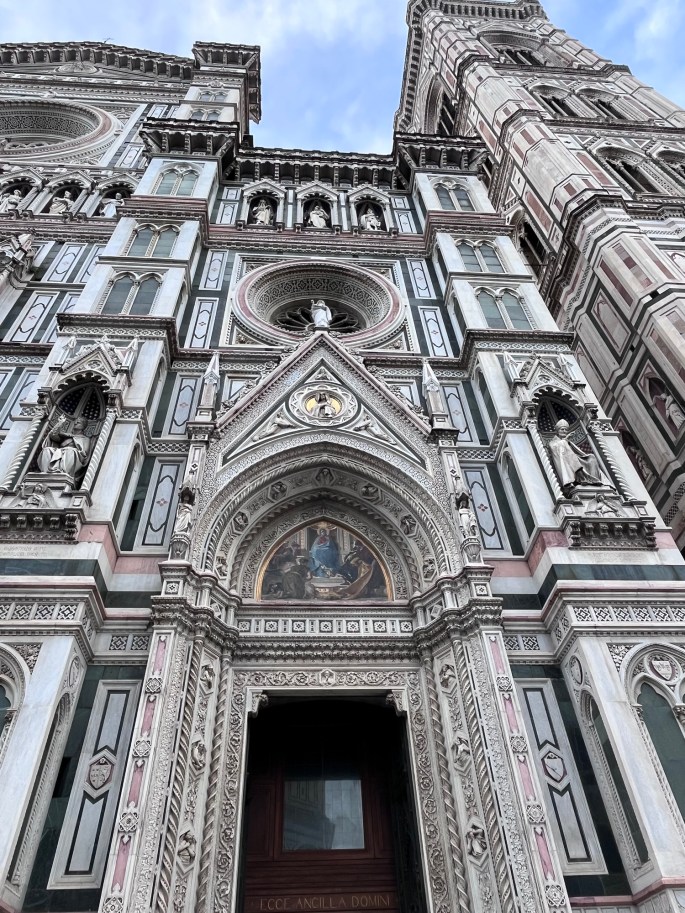
The Duomo of Florence

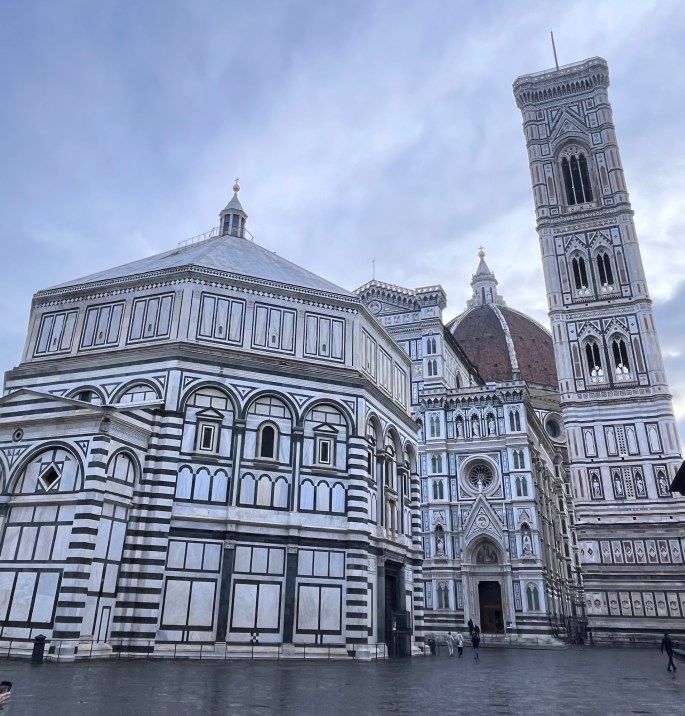
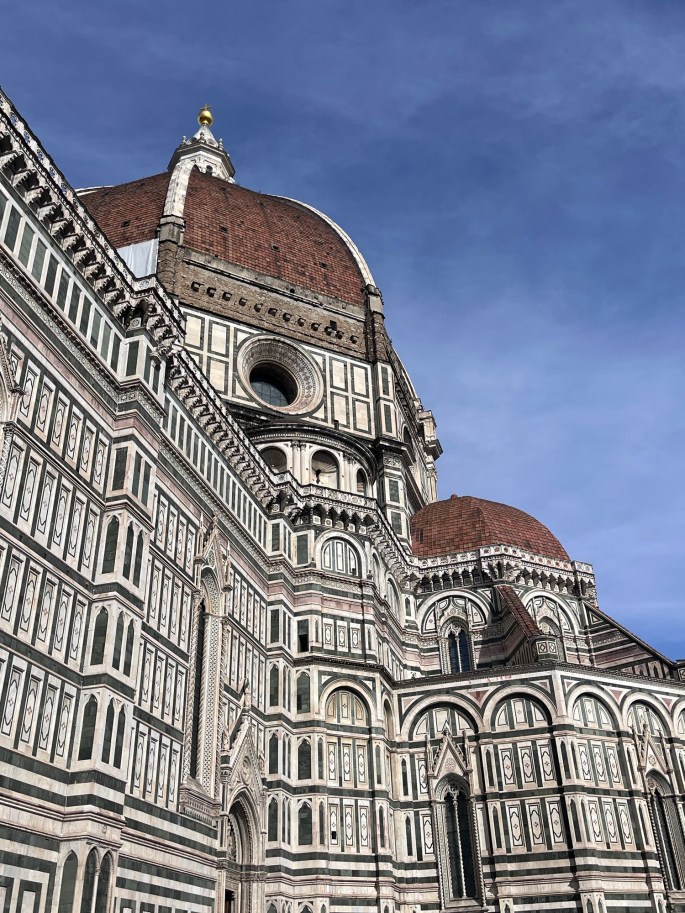
Formally called the Cathedrale di Santa Maria del Fiore, it is one of Italy’s largest churches. Gothic-style construction began in 1296 and was completed 1436. Here is a shot of the complex that hosts three buildings to include the church, the baptistry and the tower.

Adrienne and I got up early to walk a number of times for several reasons – both equally important. We wanted to get photos without dodging the multitudes of tourists and also walk off the abundance of indulgent calories we had partaken on the trip.

The first building on the site was built 393 AD and had since undergone a number of repairs but was crumbling with age. It was no longer able to serve the growing population of the city. The city council approved the new design two years before construction started for these structures.

The exterior is covered with marble panels in green, pink and white. It truly was magnicifant.

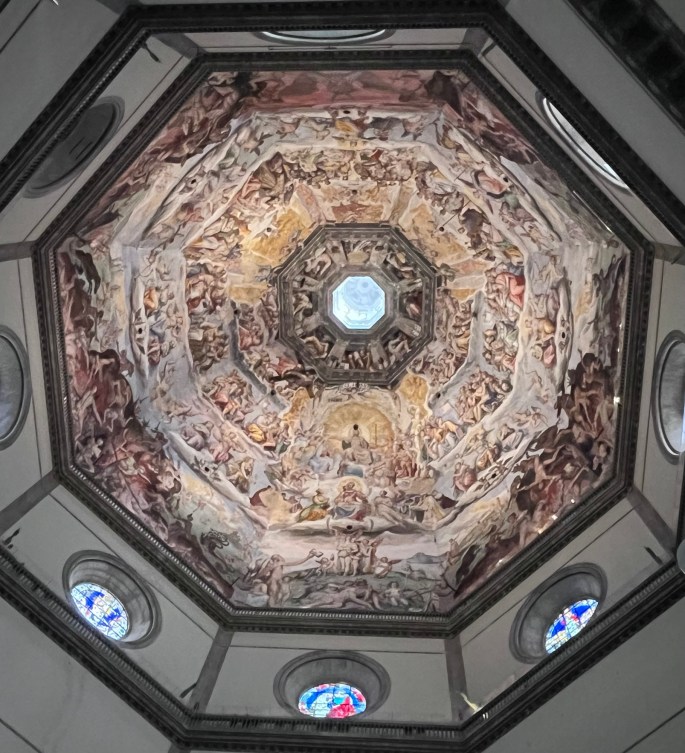
It is the largest brick dome ever constructed and the fifth largest dome in the world. It called for an octagonal dome higher and wider than any that had ever been built, with no external buttresses to keep it from spreading and falling under its own weight.

The use of buttresses was forbidden in Florence, as the style was favored by central Italy’s traditional enemies to the north.

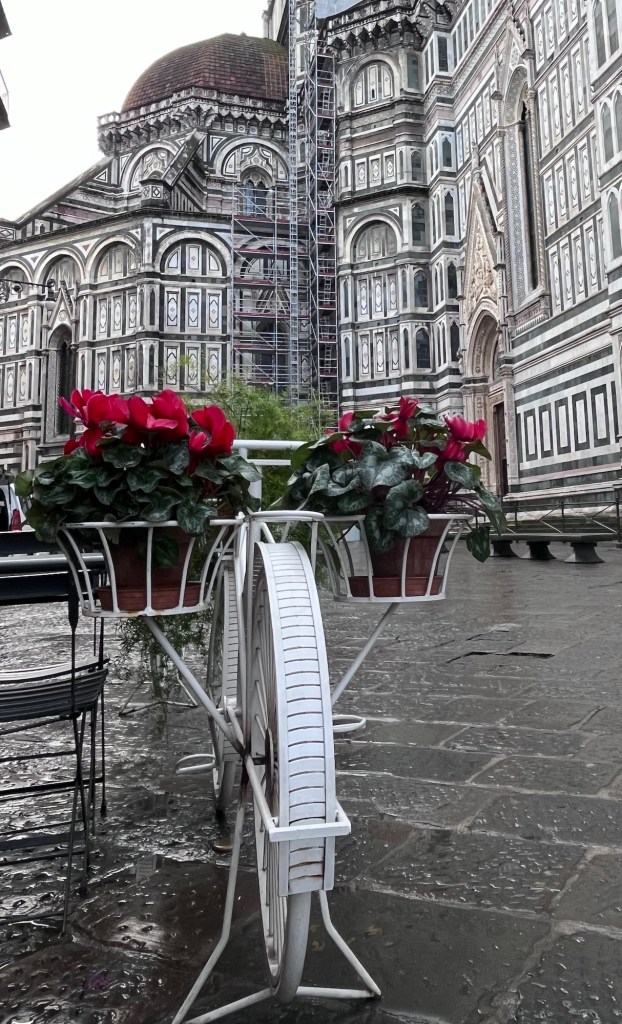
Had a chance to pull in some flowers for one of my photos 🙂 from this outside cafe.

There was so much to see and I had waaaaay too many photos to curate. I tried to include some of my better ones.

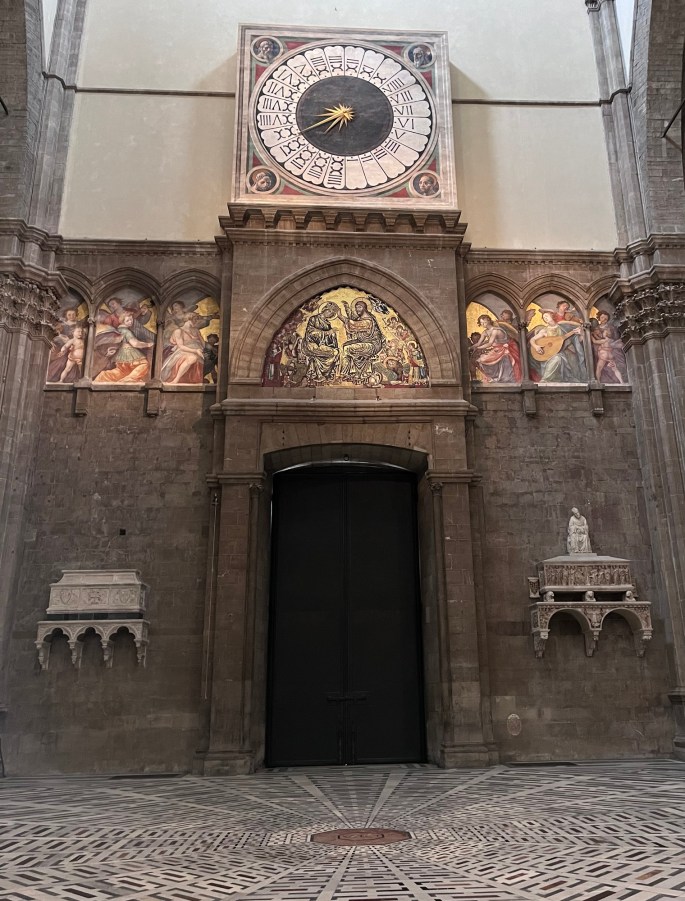
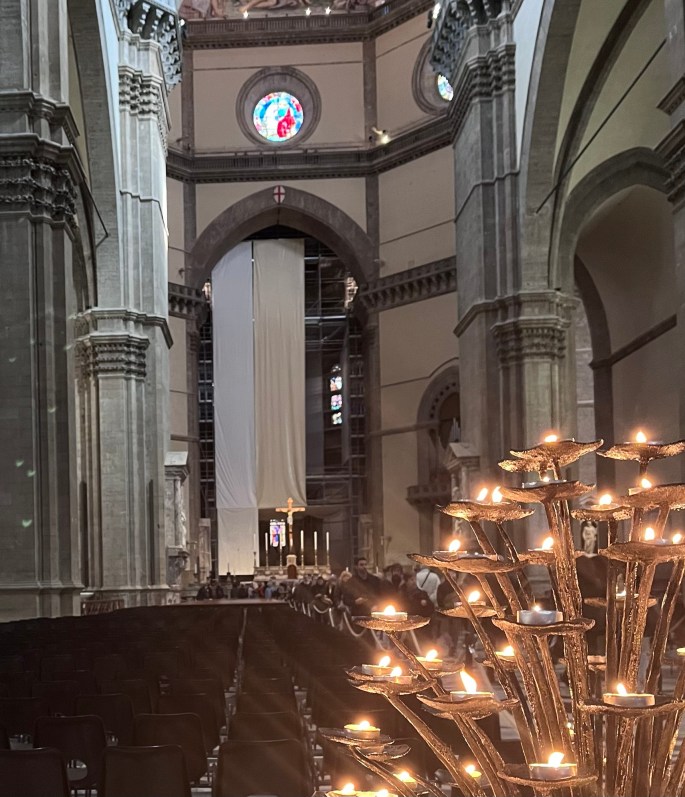
We did go inside later when Eric joined us. While it was very nice inside, the grandeur seen outside seemed to overshadow the interior. The relative bareness of the church corresponds with the austerity of religious life.

This shot is from the back of the church, looking towards the alter.

Here’s an inside shot of the brick dome.

One last shot……..

The churches were meant to cause awe amongst the people if not instill a fear of god through story-telling. This was accomplished in Florence.
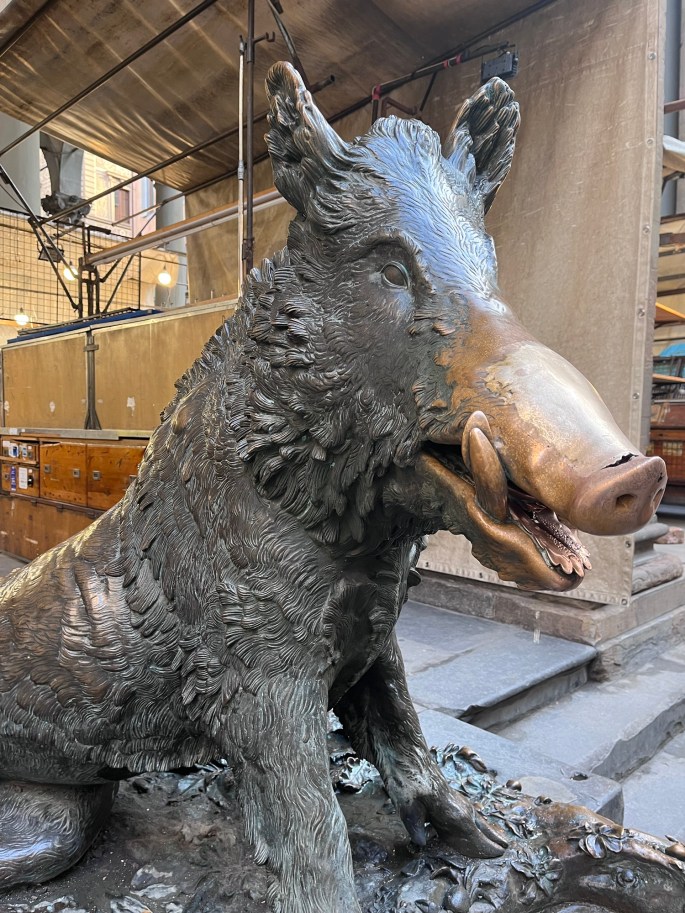
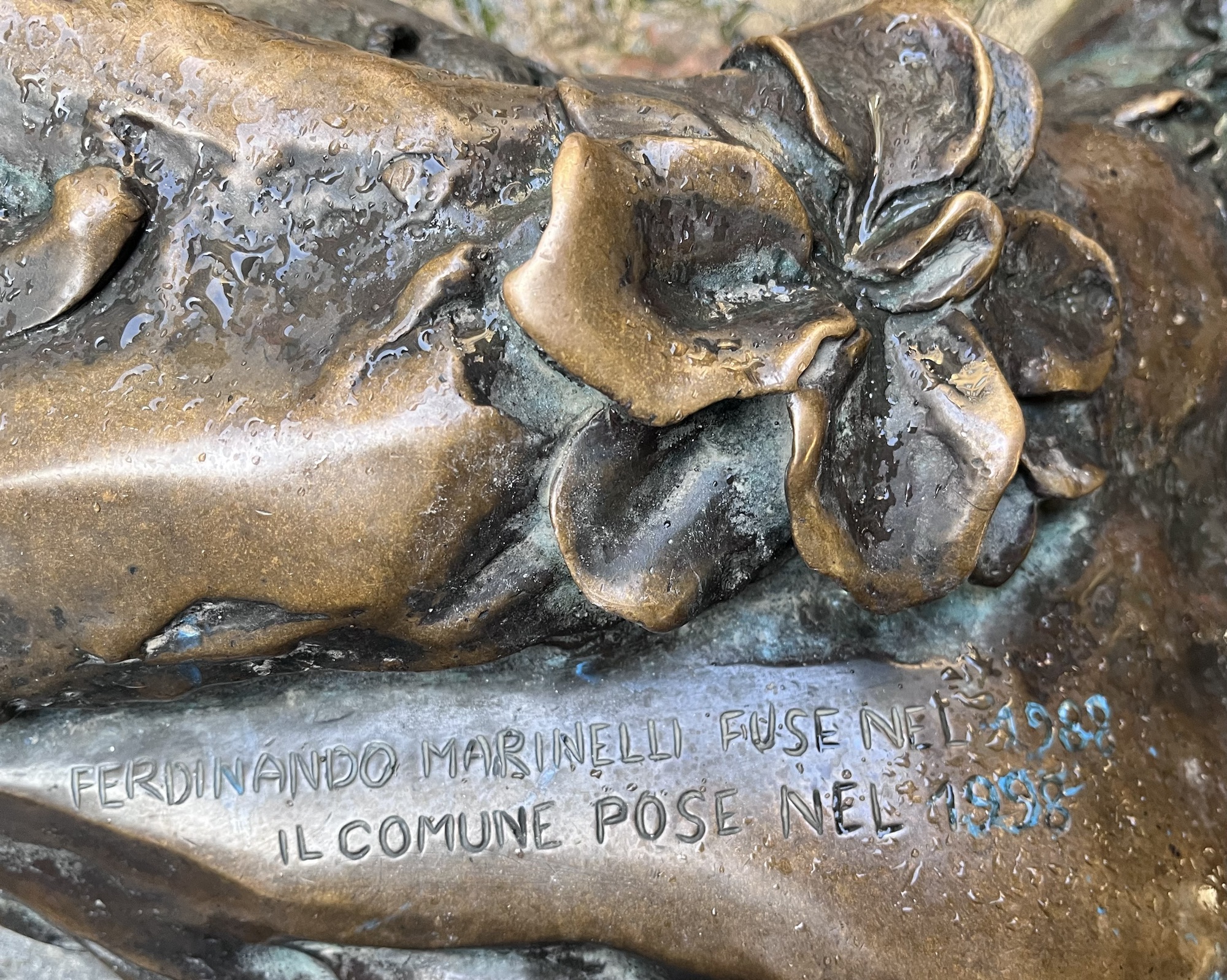
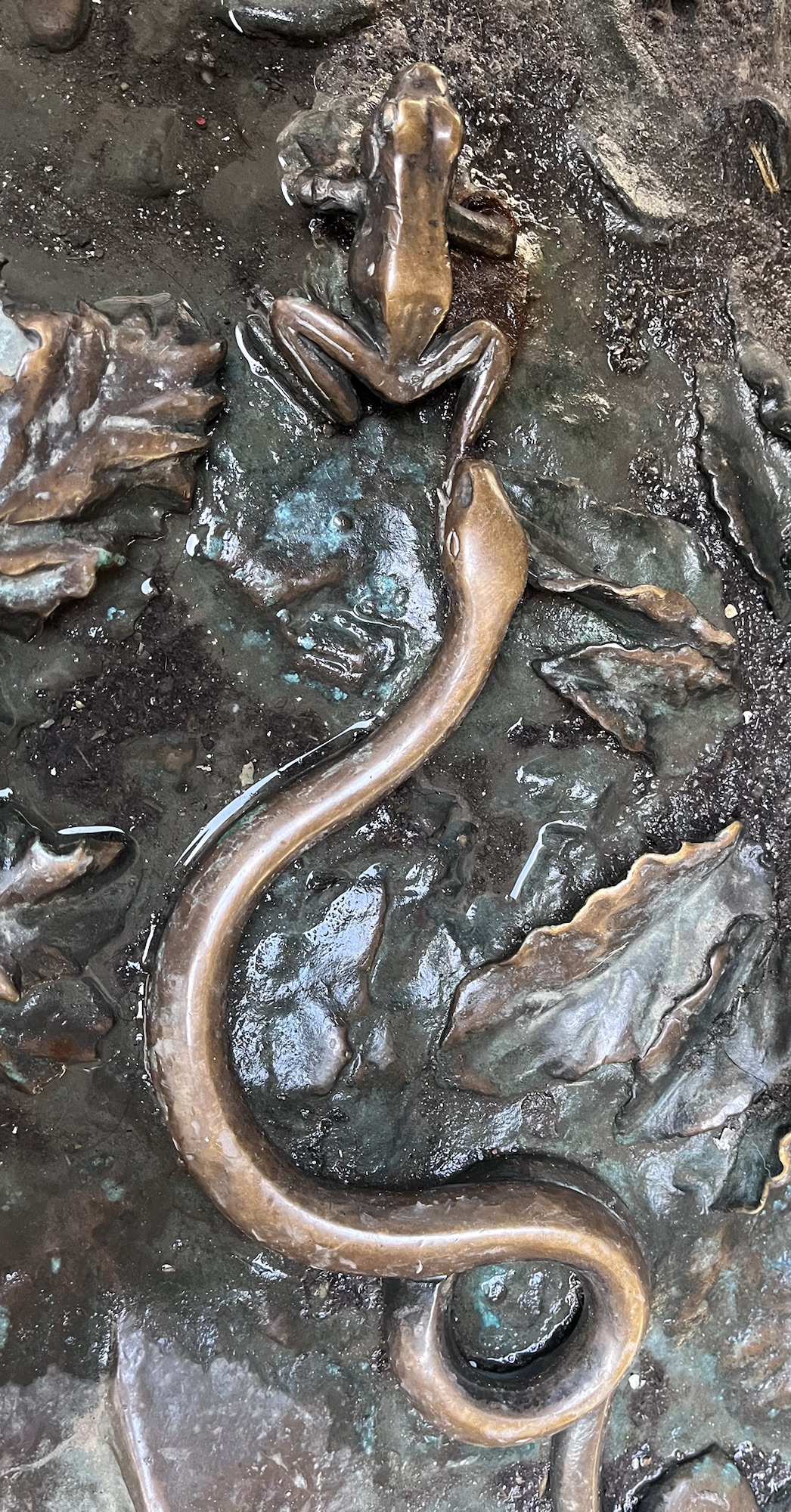
One morning during our early walks we came across this ‘charming’ sight. What? A pig? Local legend states that touching the snout will ensure another visit to the city. By the looks of this pig’s snout – they will be having a lot of repeat visitors. And yes, we also touched the statue. Adrienne and I will be back!

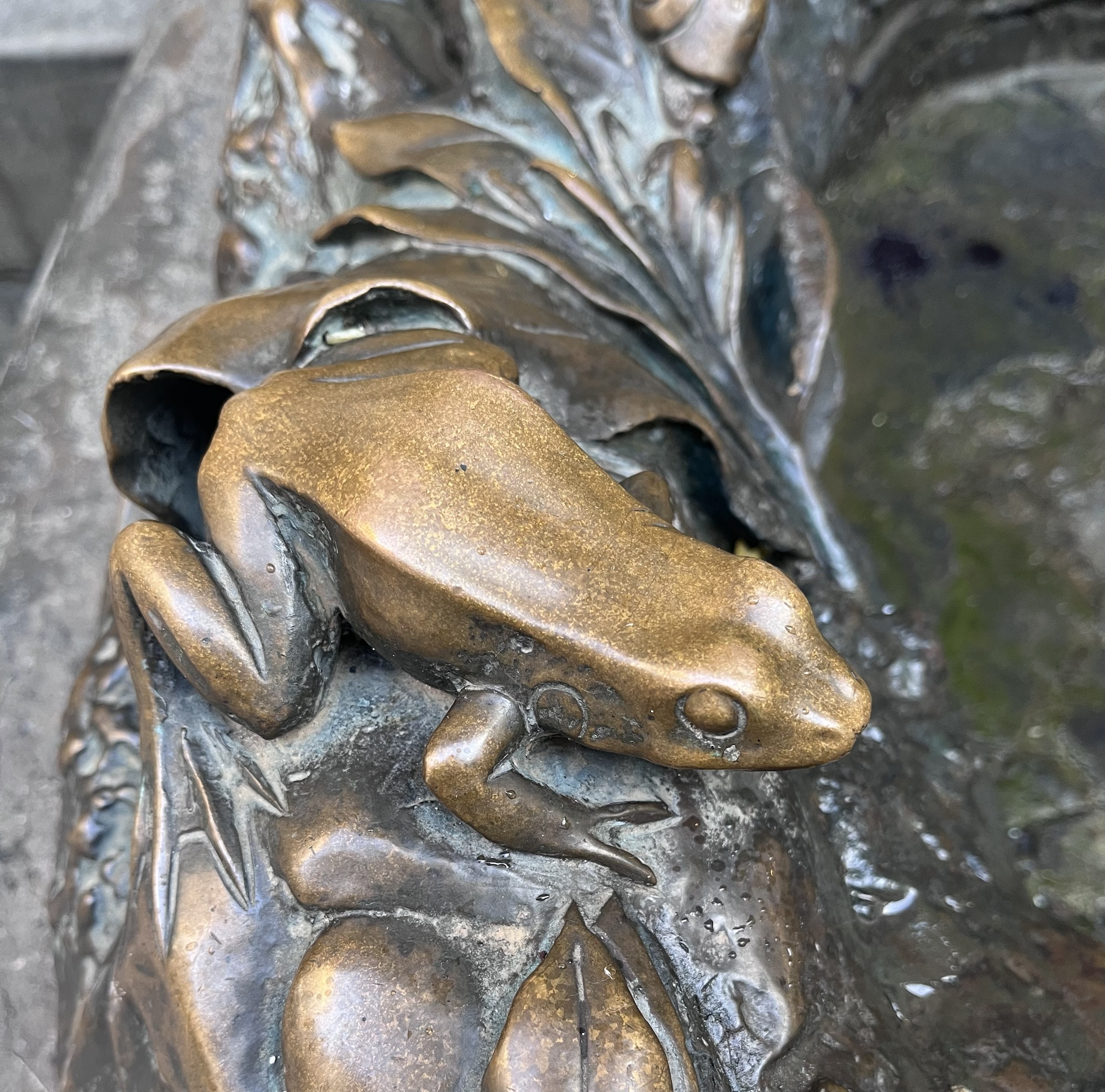
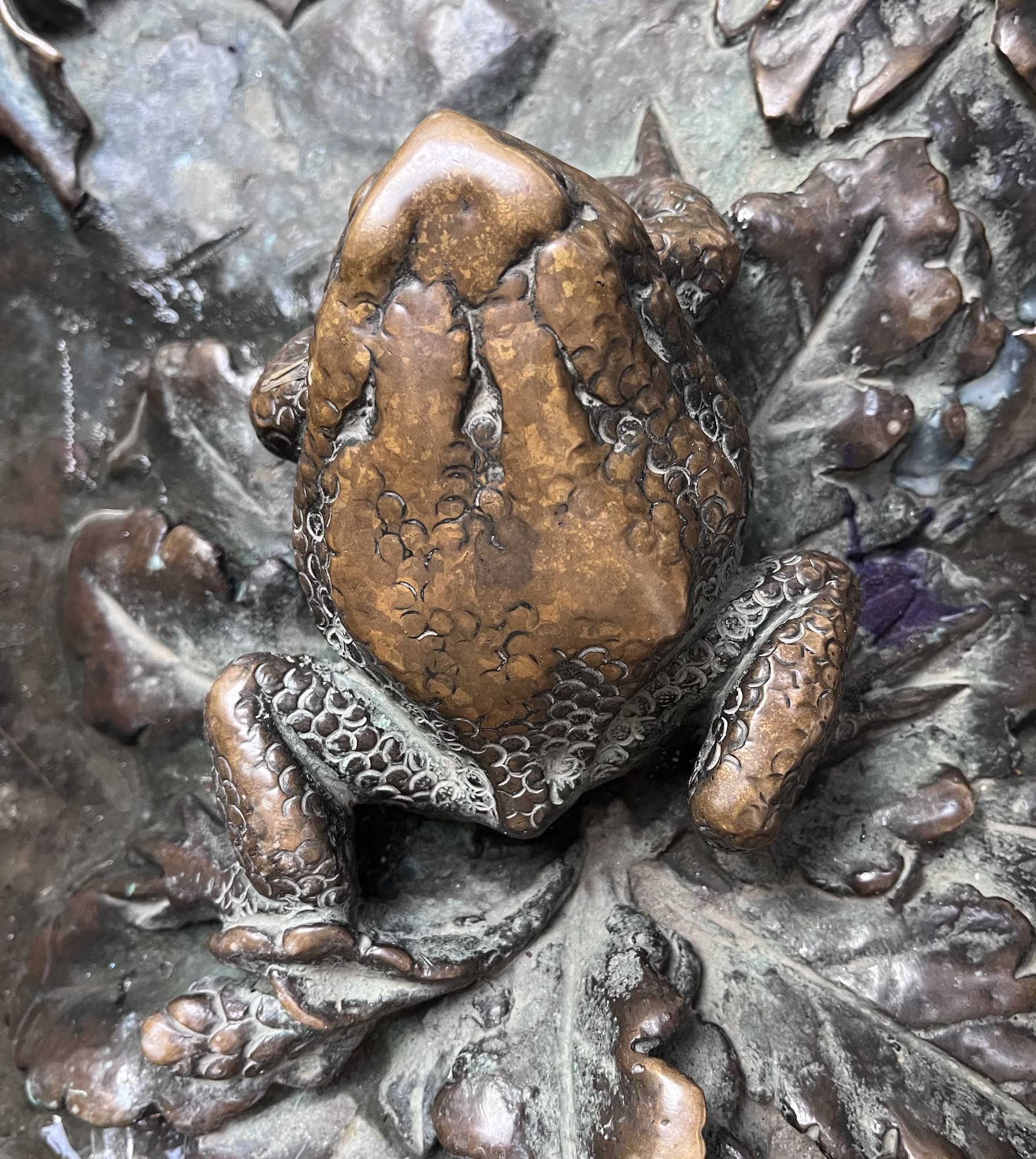
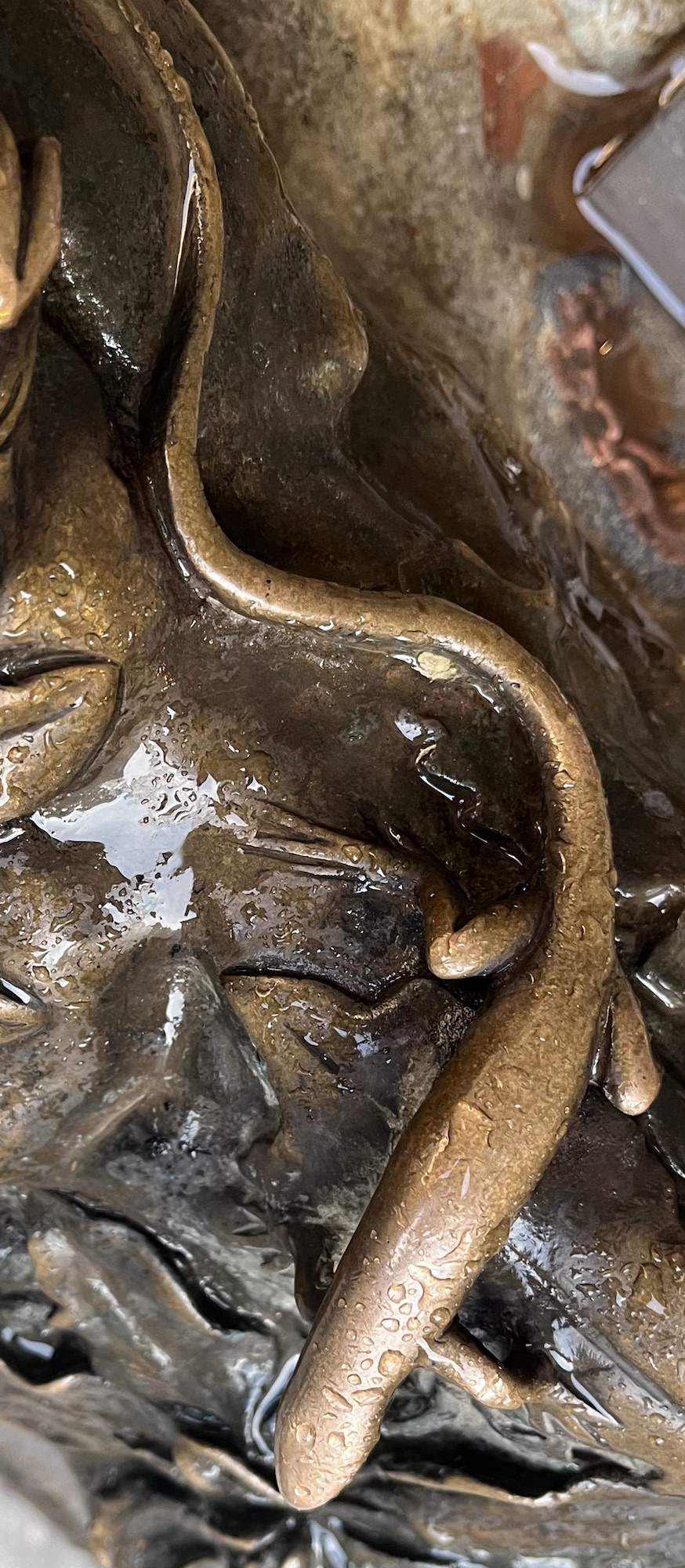
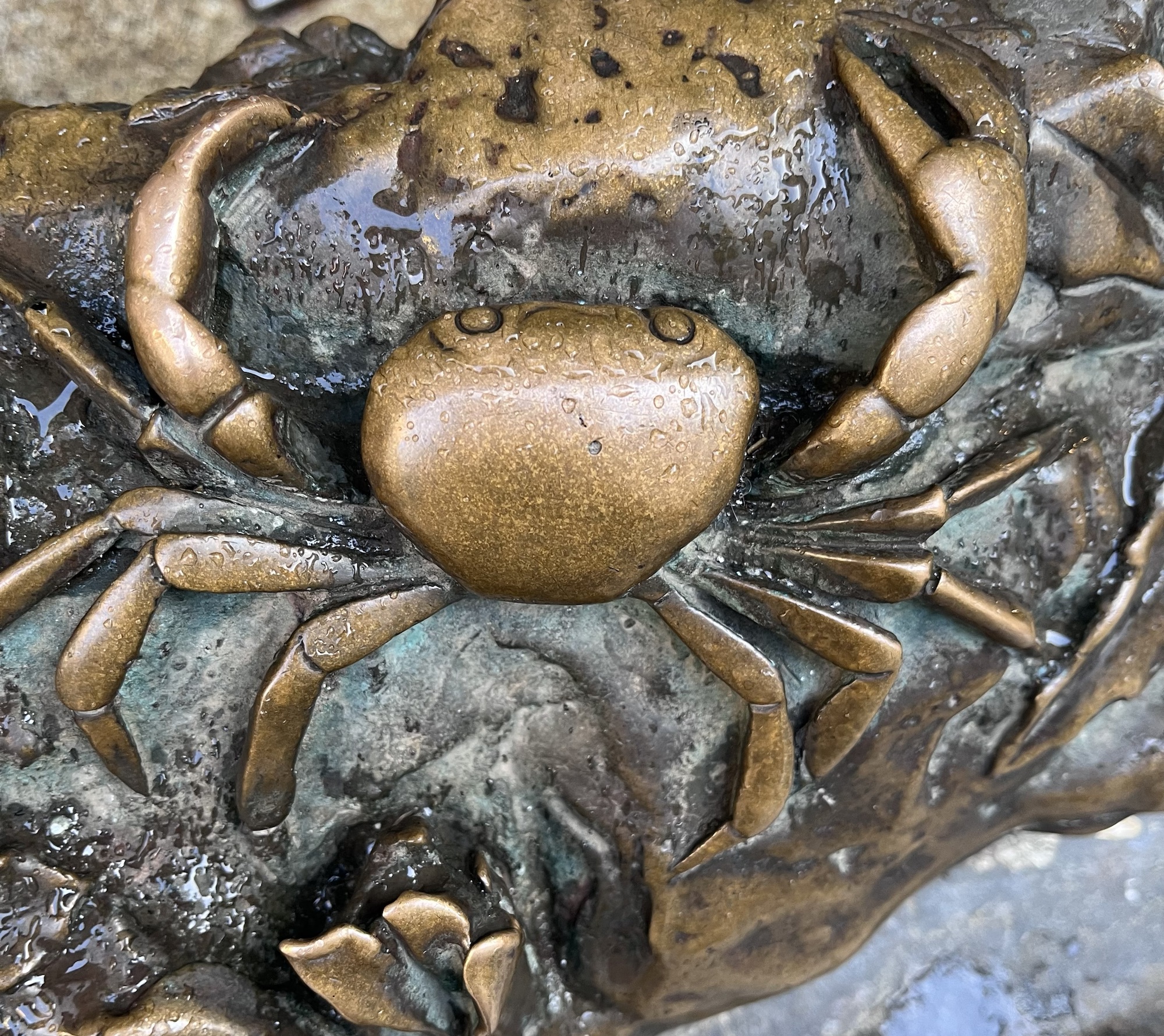
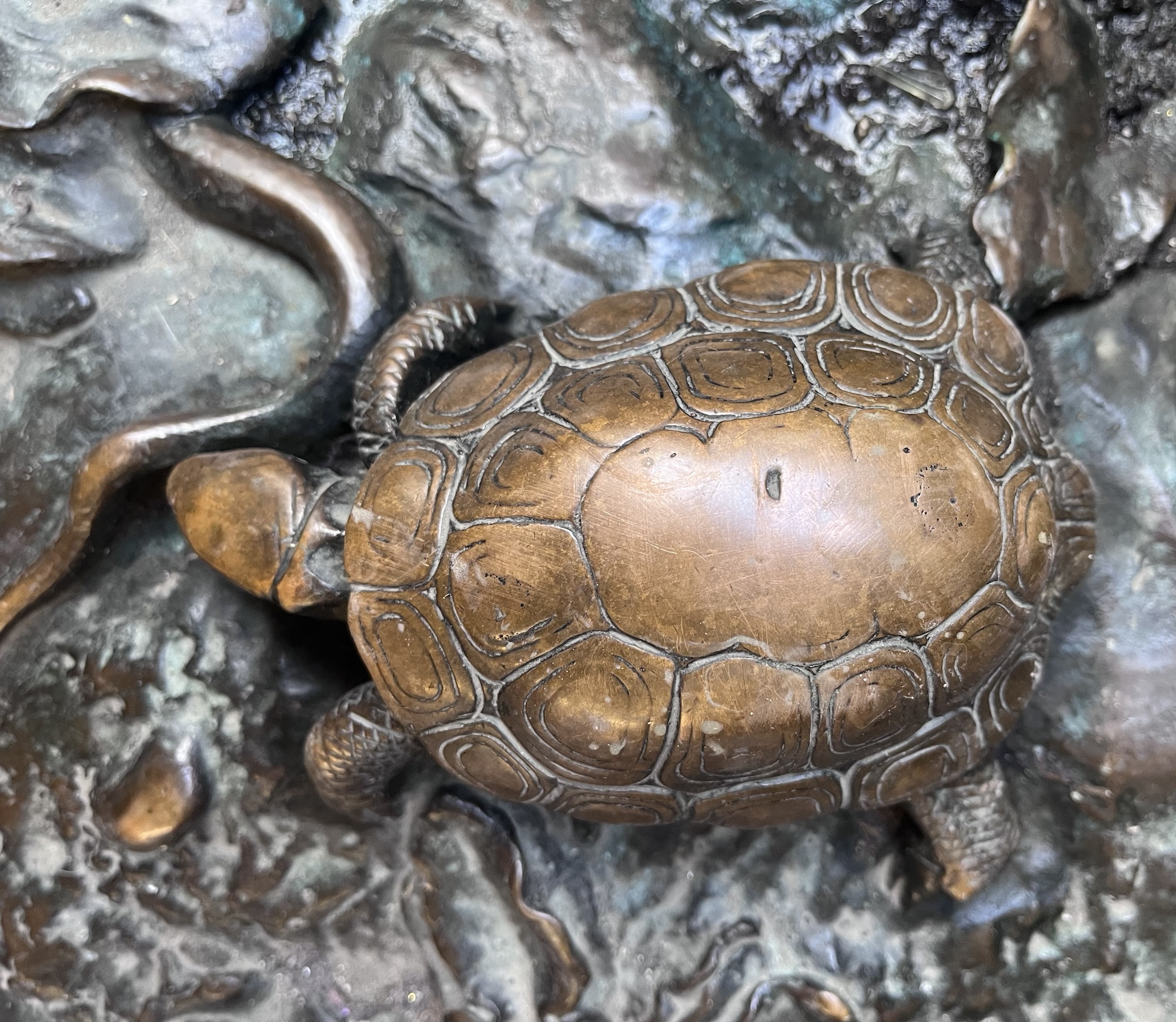
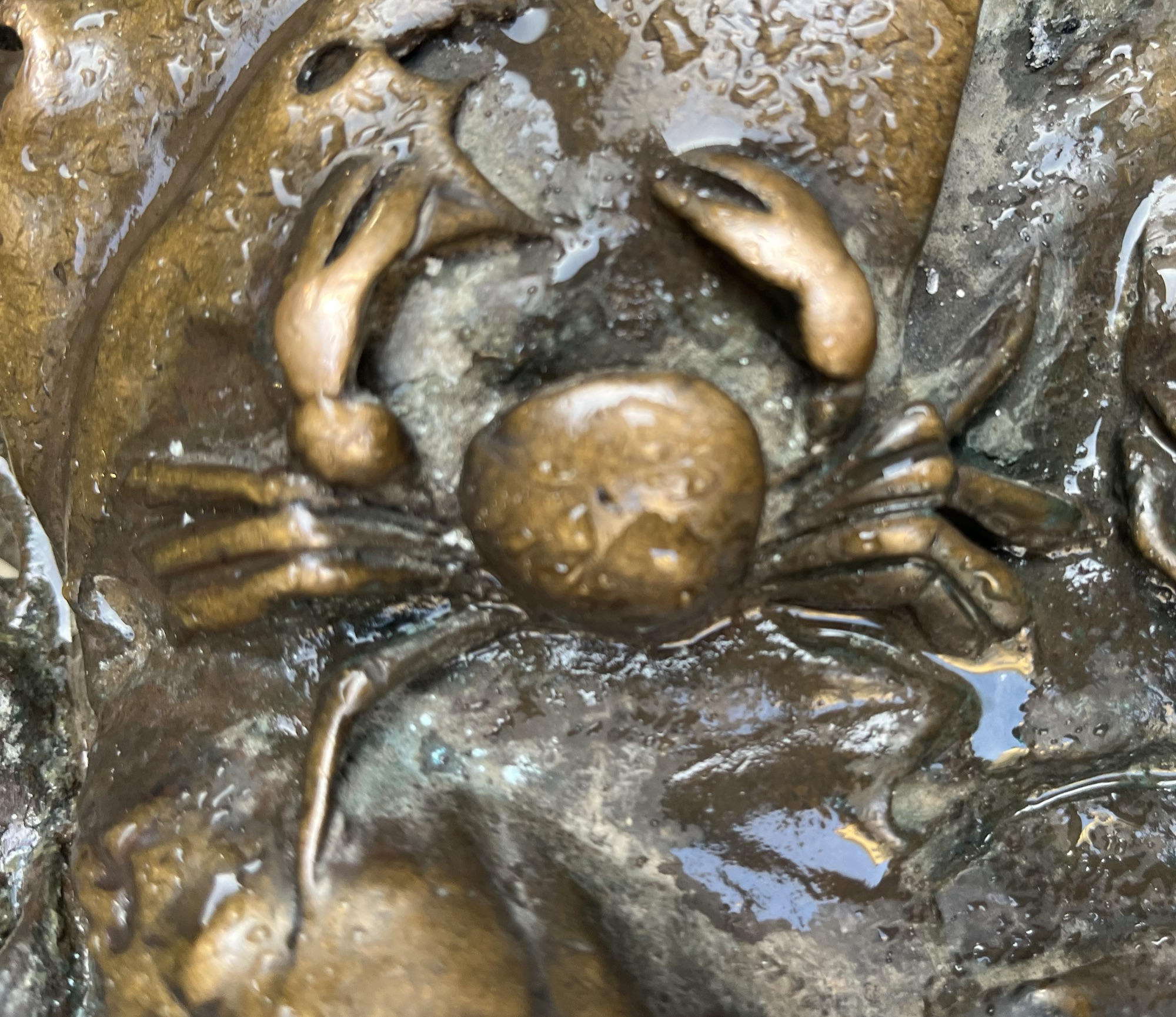
Most are so involved with touching the snout, I don’t believe they notice all of the other ‘critters’ in this sculpture. The more I circled it, the more I found. This is only a small sampling.

While TOTALLY different in materials and design both were interesting artwork found in the city called the birthplace of Renaissance.

Rome to Florence

All too soon, it was time to leave Rome and head towards our next stop – Florence, via train.

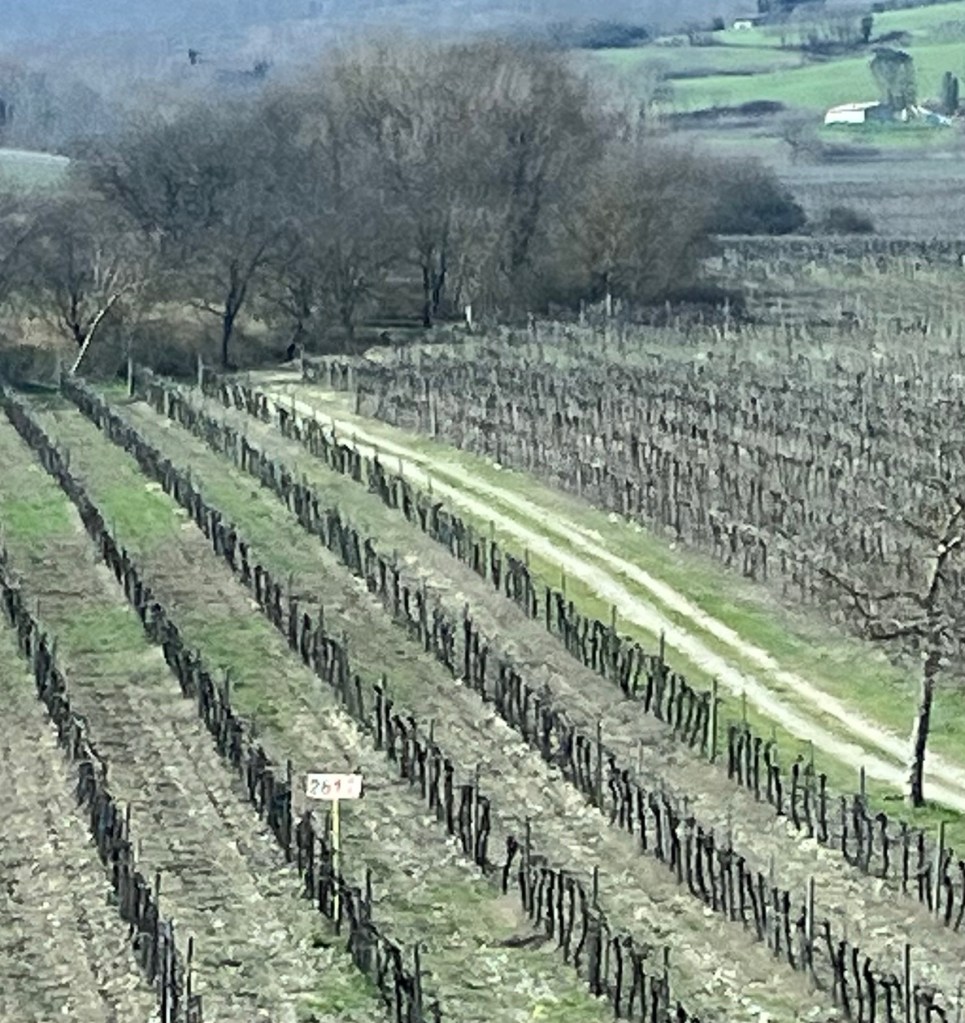
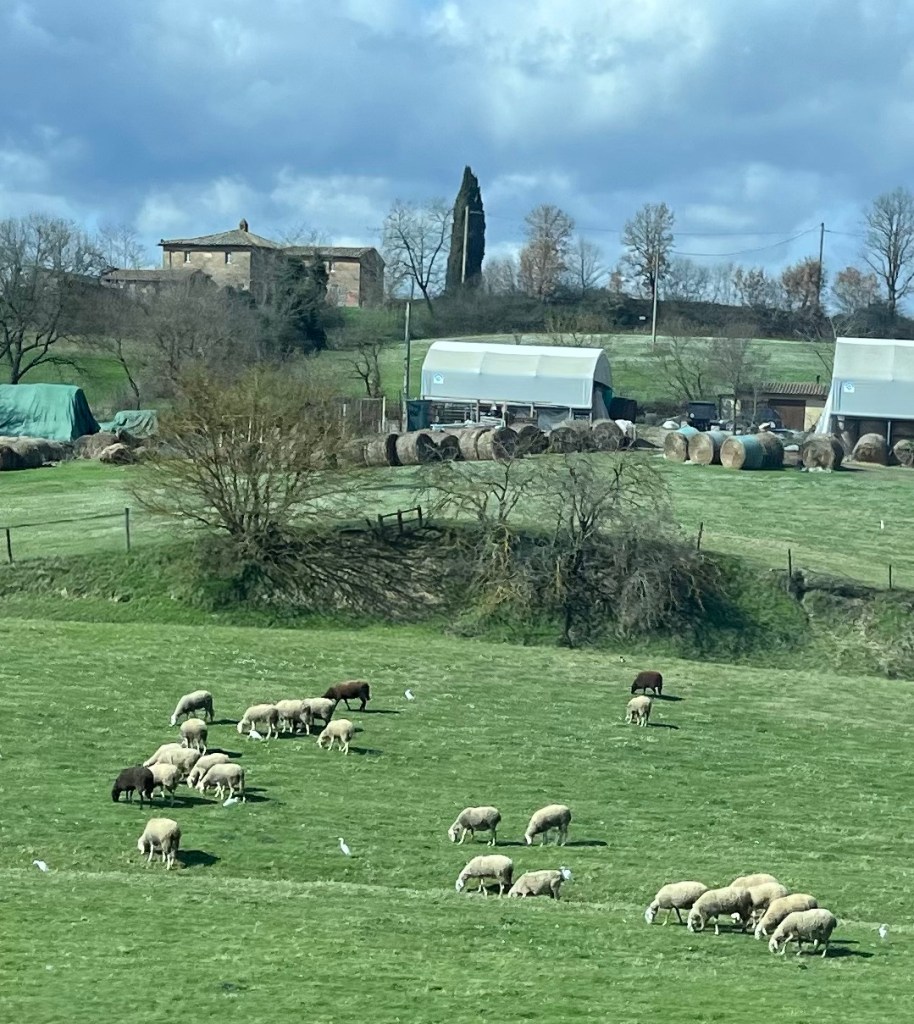
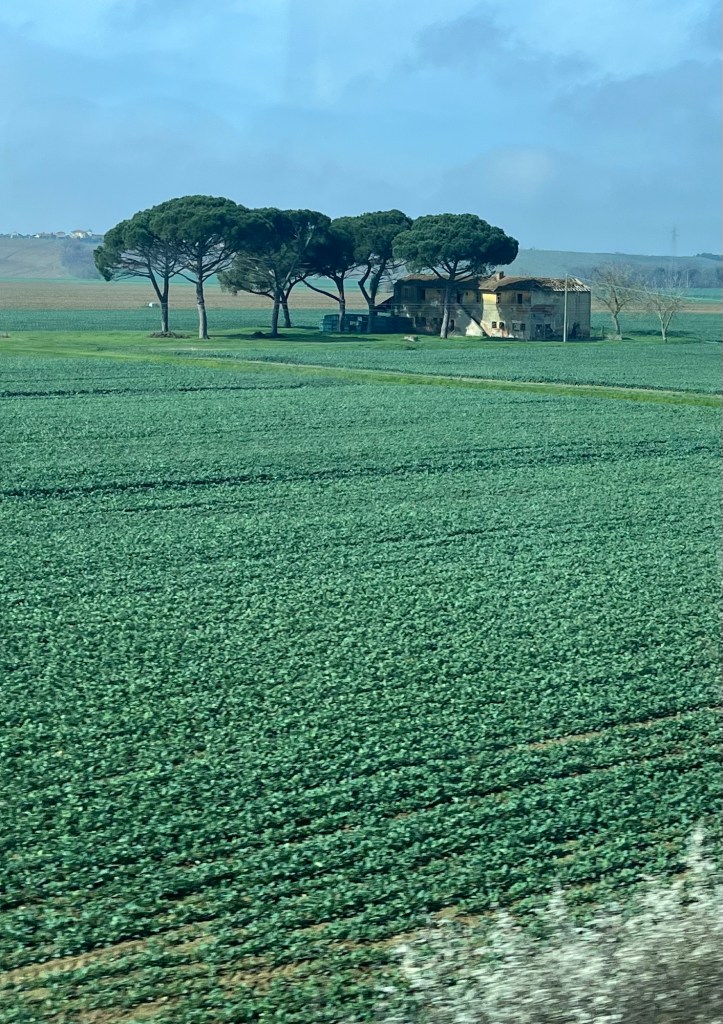
A few shots of the Italian countryside along our fast-paced journey.

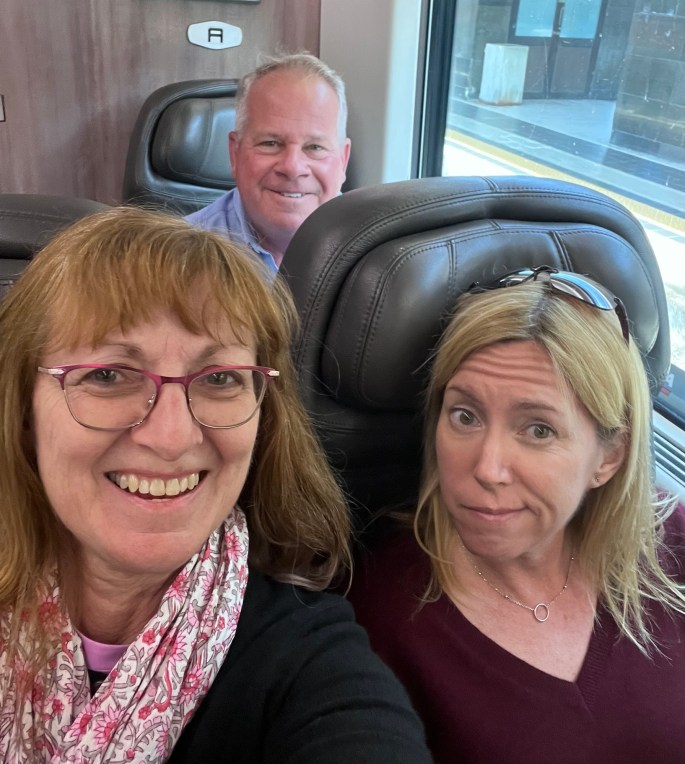
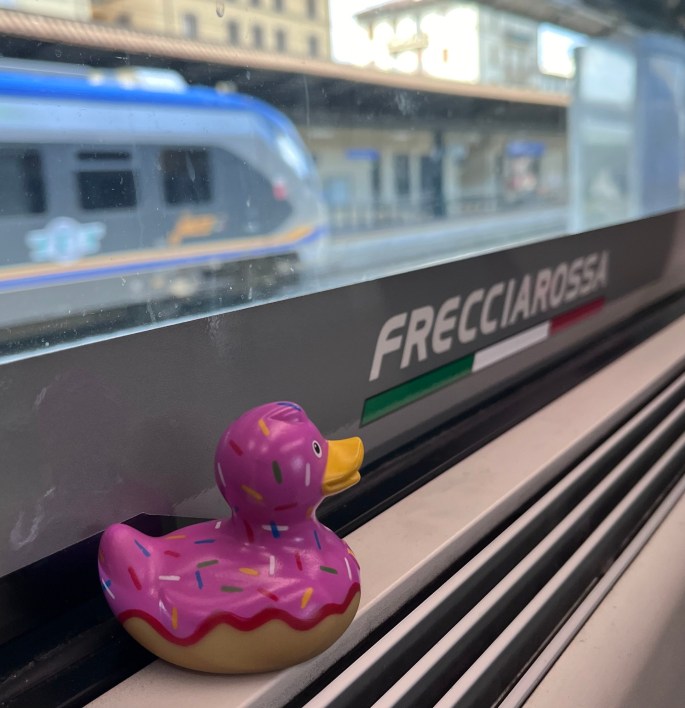
Adrienne brought along a little something extra and it has continued to bring smiles. I found a (very) different item in Rome. It makes me smile whenever it shows up in my photos.

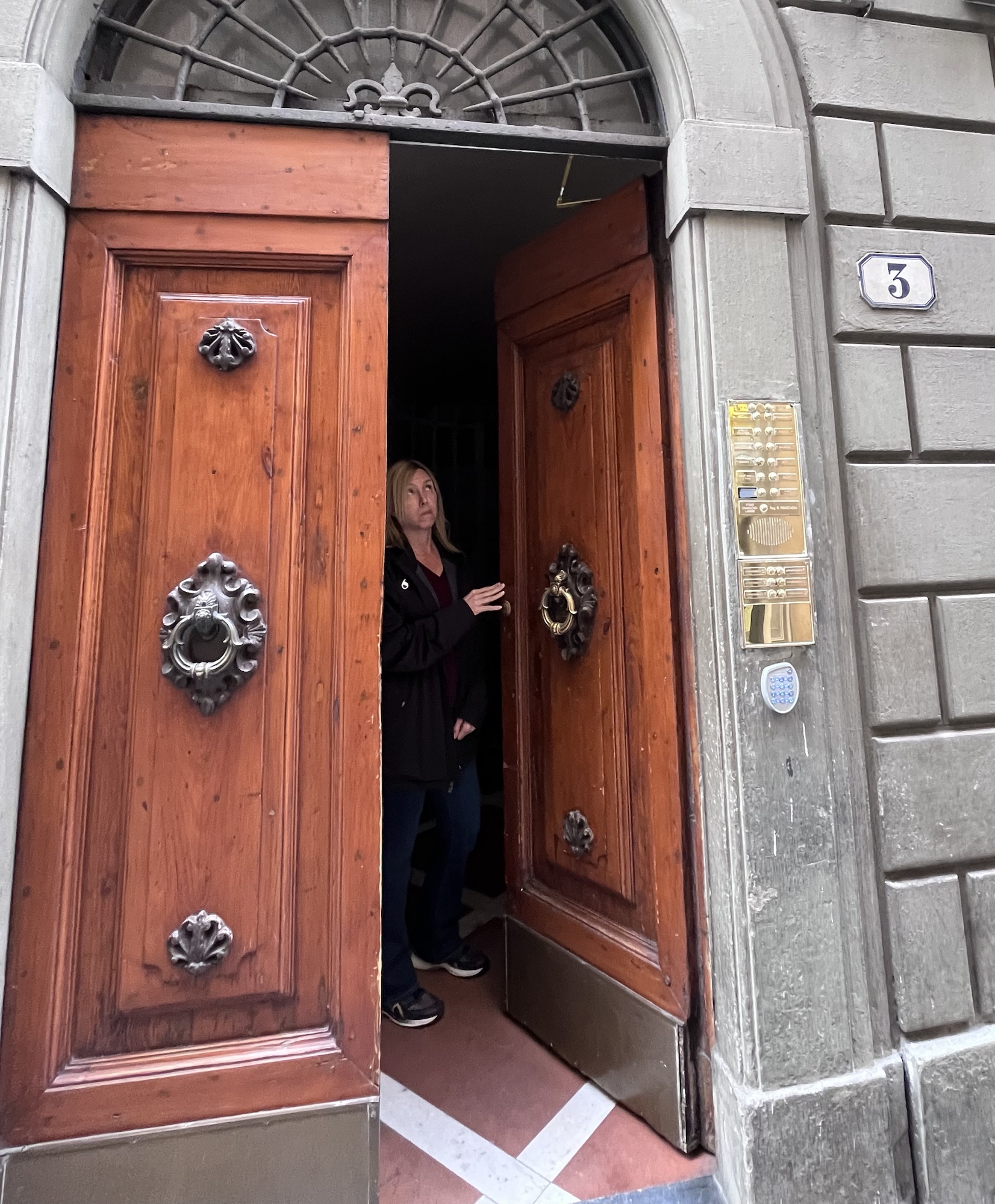
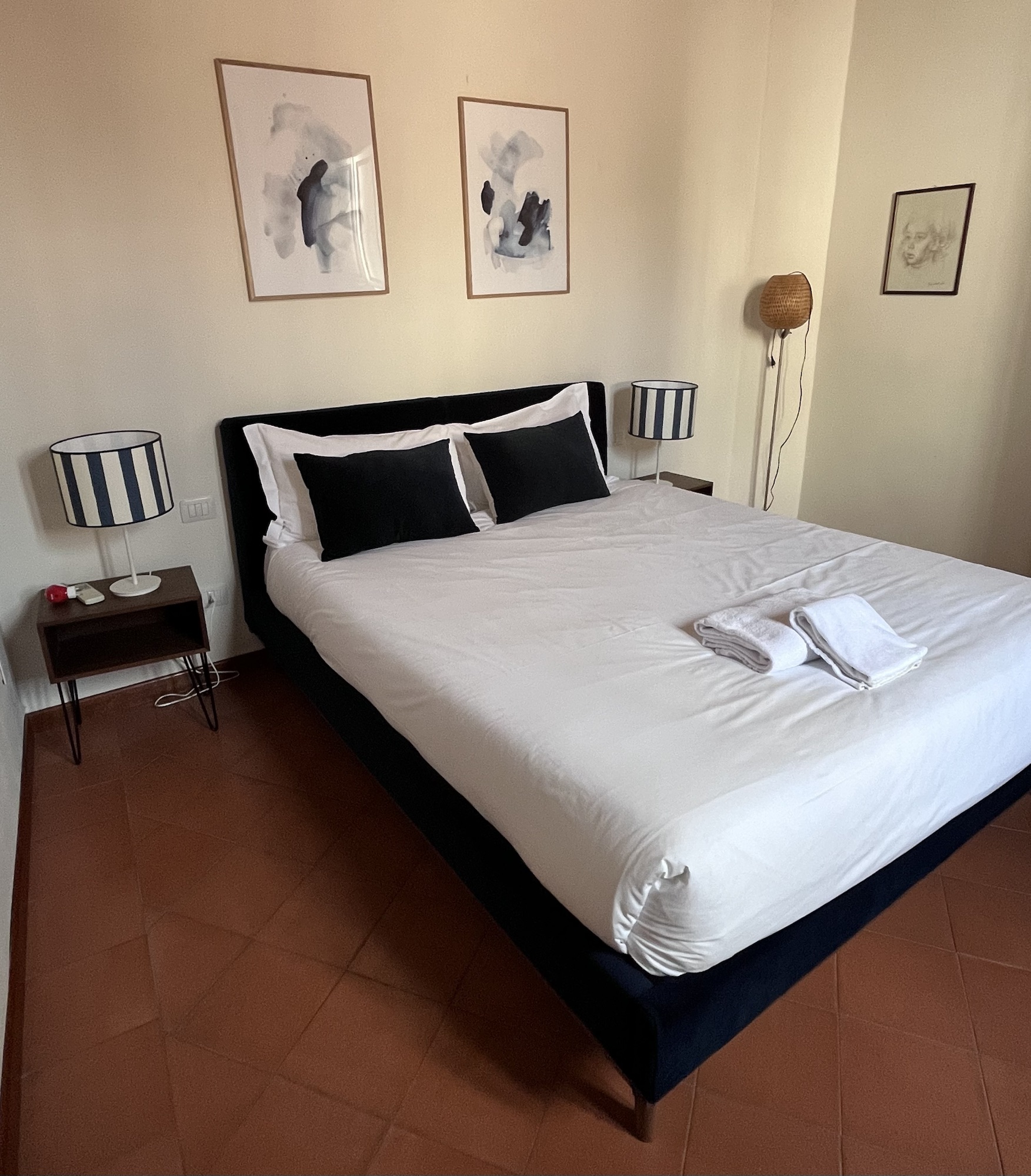
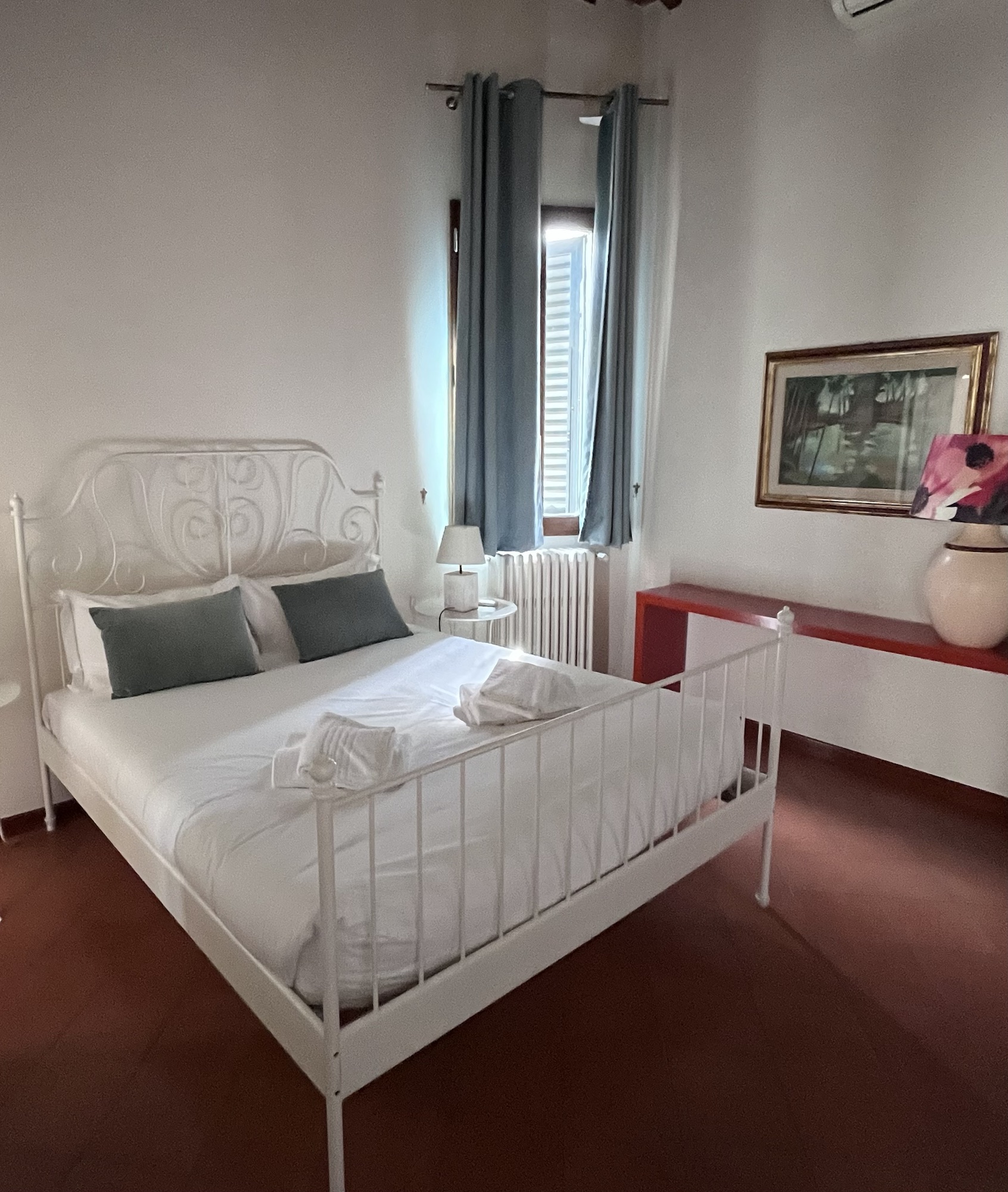
Our next apartment was another AirBNB rental.

Our first order of business was lunch. Our chosen destination was a local market located in the historic San Lorenzo marketplace, which opened in the spring of 2014 to celebrate the 140th anniversary of the iron & glass architectural building by a Florence designer. So sorry – that was quite a long run-on sentence.

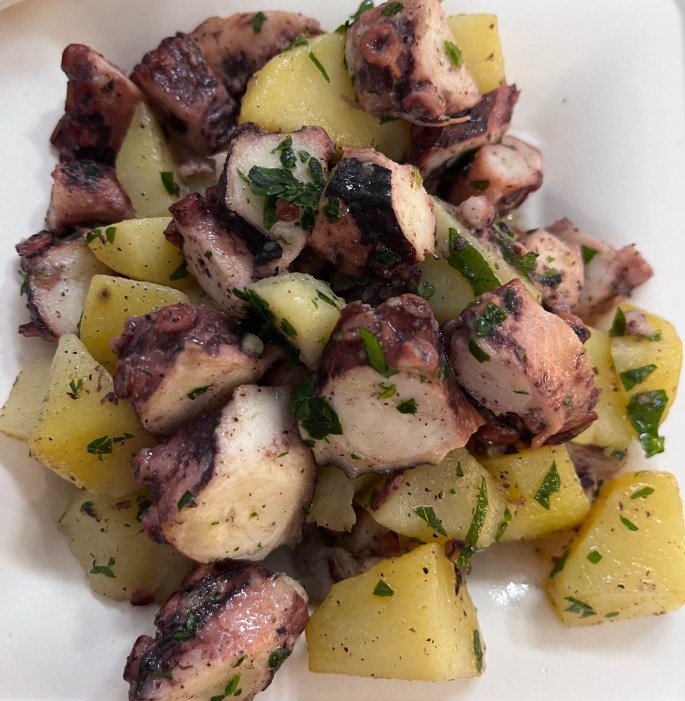
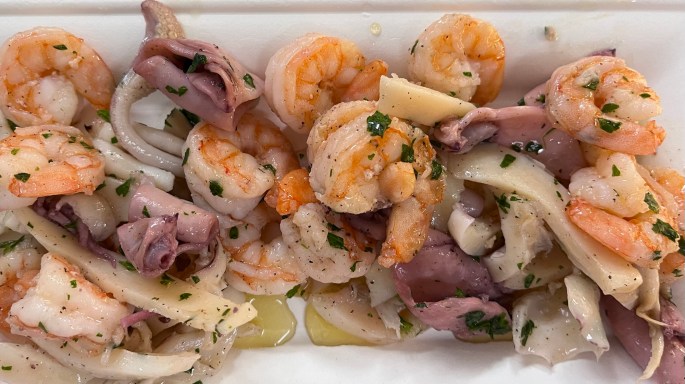
The good thing about eating in a food market……………we can each chose our own type of food. Eric was hankering for seafood and picked up these dishes.

octopus & potatoes

seafood medley of shrimp, calamari & cuttlefish

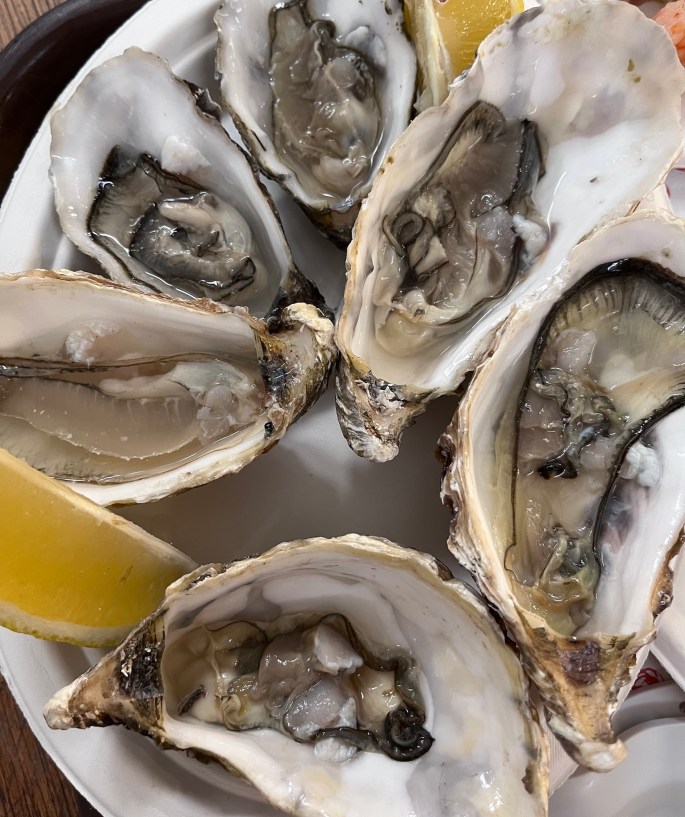
Naturally a few oysters were purchased by Eric. I tried one – still not as good as the ones I tasted in the north of France last year.

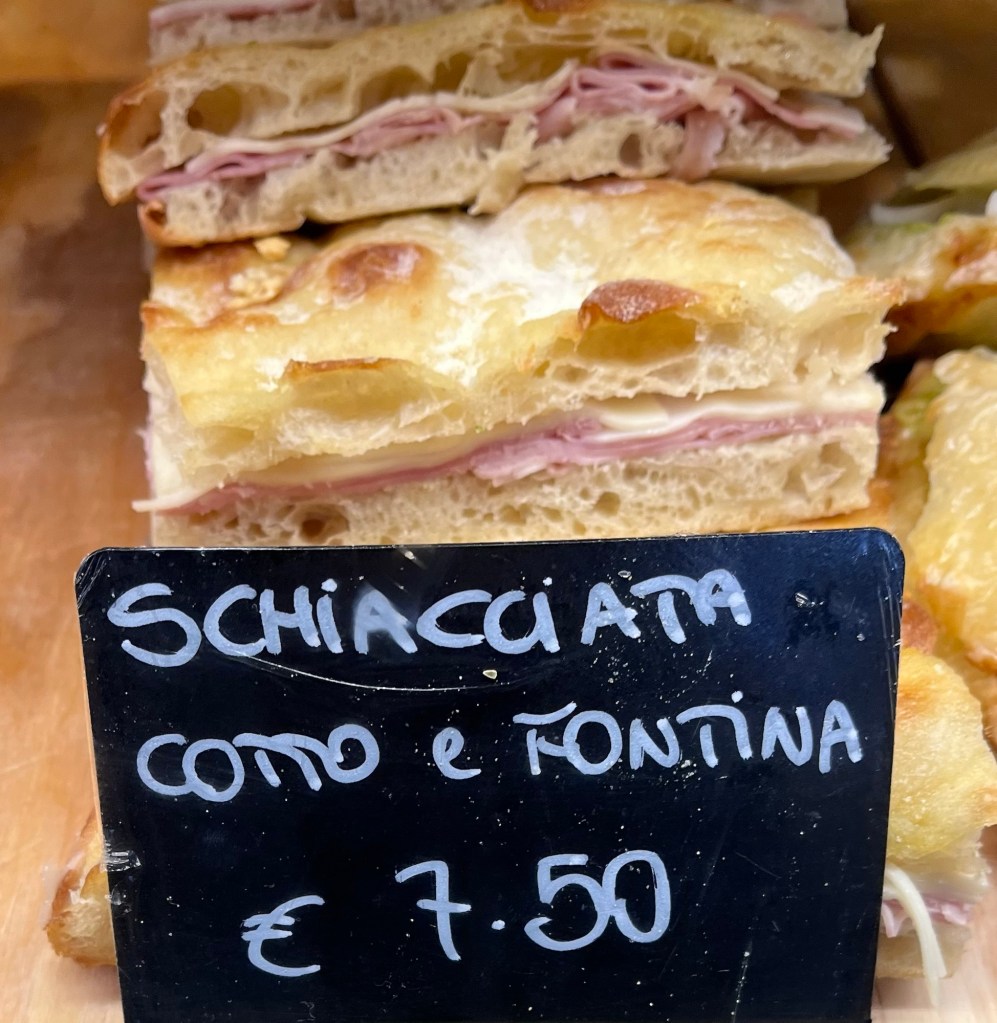
I felt like a sandwich, accompanied with wine. I only expected to eat half of it. Nope, it was all gone when my wine was finished. The focaccia bread for my sandwich – absolutely delicious!

Topped it off with some gelato – which filled in the cracks. Coffee and strawberry were my flavors of choice.

After a short nap (I needed one!) we went in search of a ‘wine window’. What was that? exactly like what is sounds.

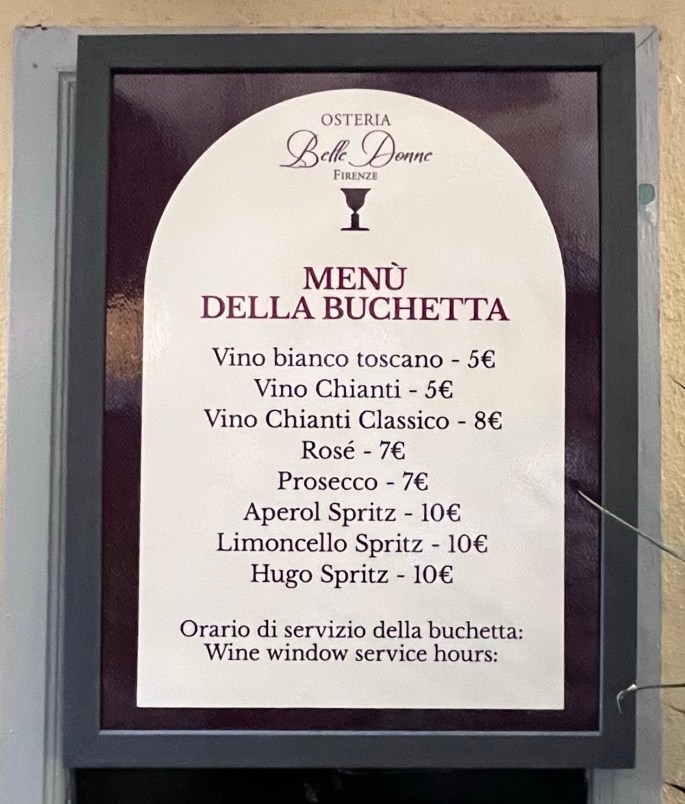
The tradition of wine windows dates back to the 16th century when aristocratic families were granted permission to sell the wine they produced in the countryside to consumers directly from their houses, without any middlemen or taxes. Cosimo de Medici, a clever banker and lord of Florence, was the mastermind behind this new sales practice.  The window below was fairly close to us.

The true genius of these wine windows came to light during the plague that hit Florence in the 17th century. With the city in the throes of a deadly epidemic, the wine windows proved an ingenious architectural solution that allowed commerce to continue without risking further contagion.

Wine windows were in use until the 1920s. But – as we are all well aware – , history repeated itself in 2020 with the onset of the most recent pandemic. Many savvy restaurateurs and bar owners were able to weather the storm by serving customers through these windows. It’s a fun way to drink some wine.

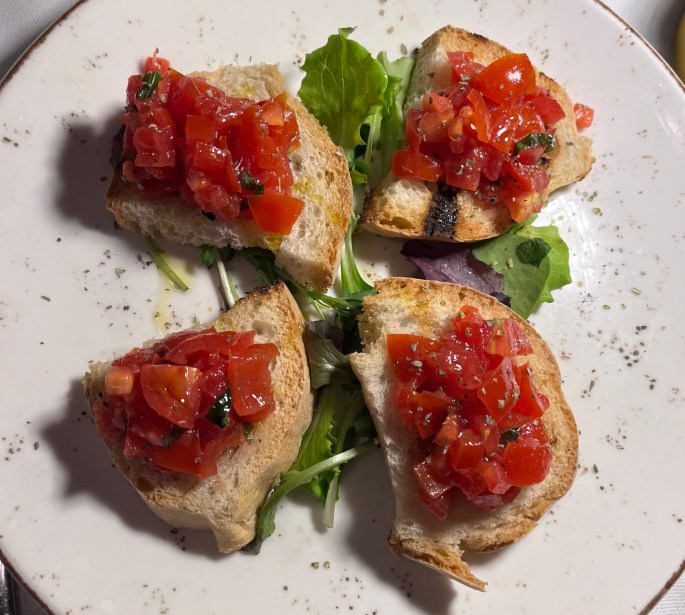
The full experience continued when we went inside in for dinner at Osteria Belle Donne. The kitchen offers traditional Tuscan and Italian dishes prepared with genuine and seasonal raw materials cooked according to ancient recipes. We started with a simple but very tasteful bruschetta – excellent way to clean your palate. We had bruschetta several times, but I believe this was the best of the best.

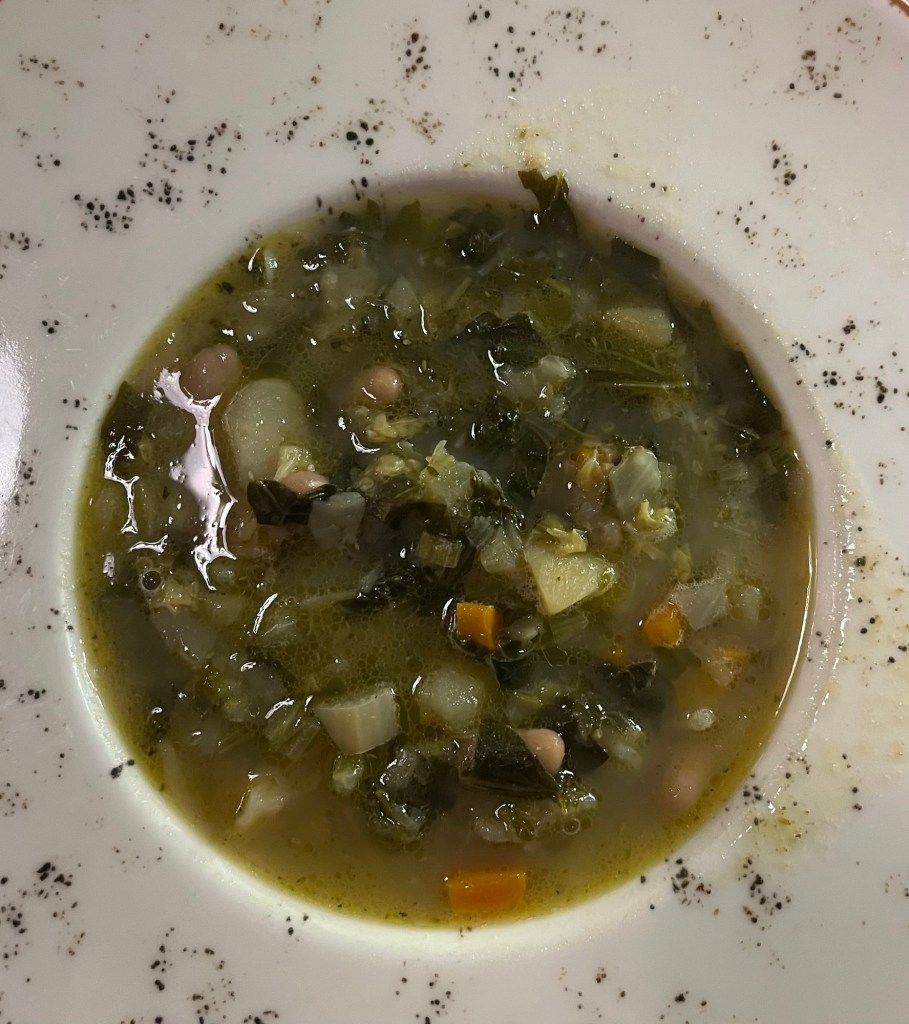
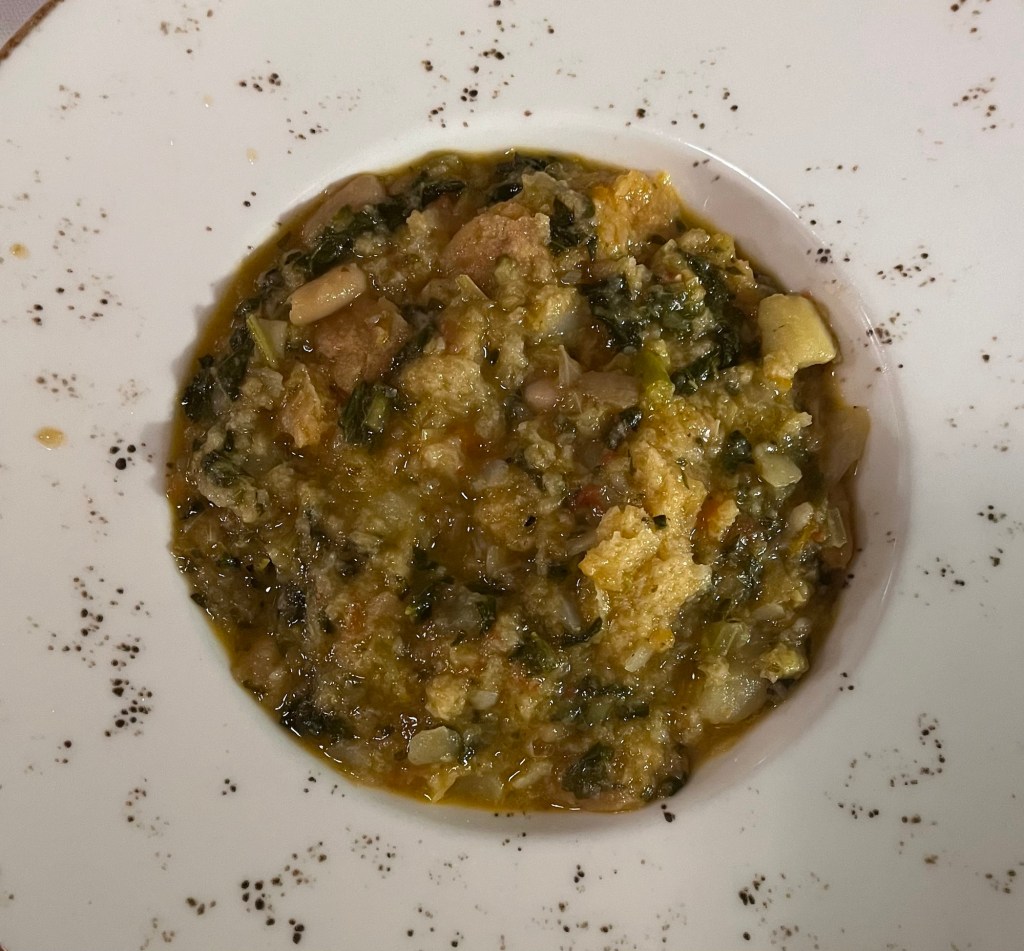
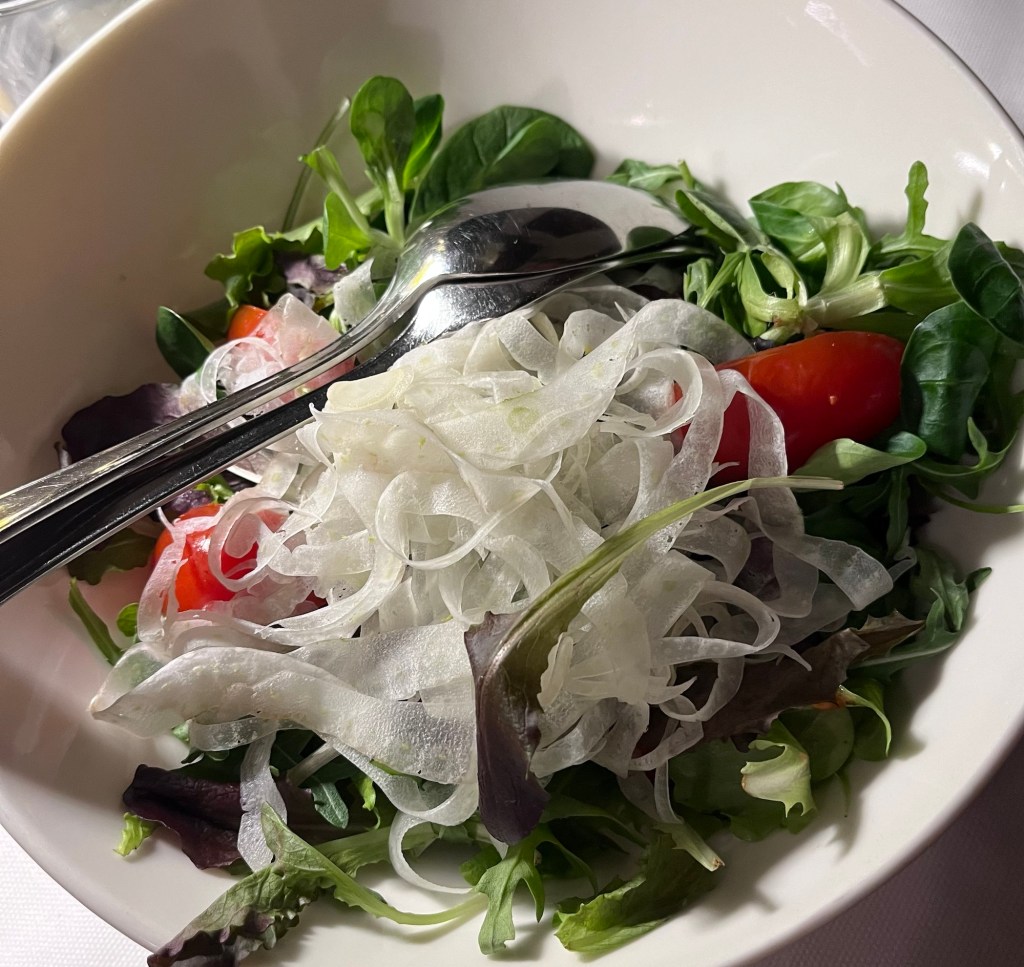
It was a nice evening for soup, soup and salad.

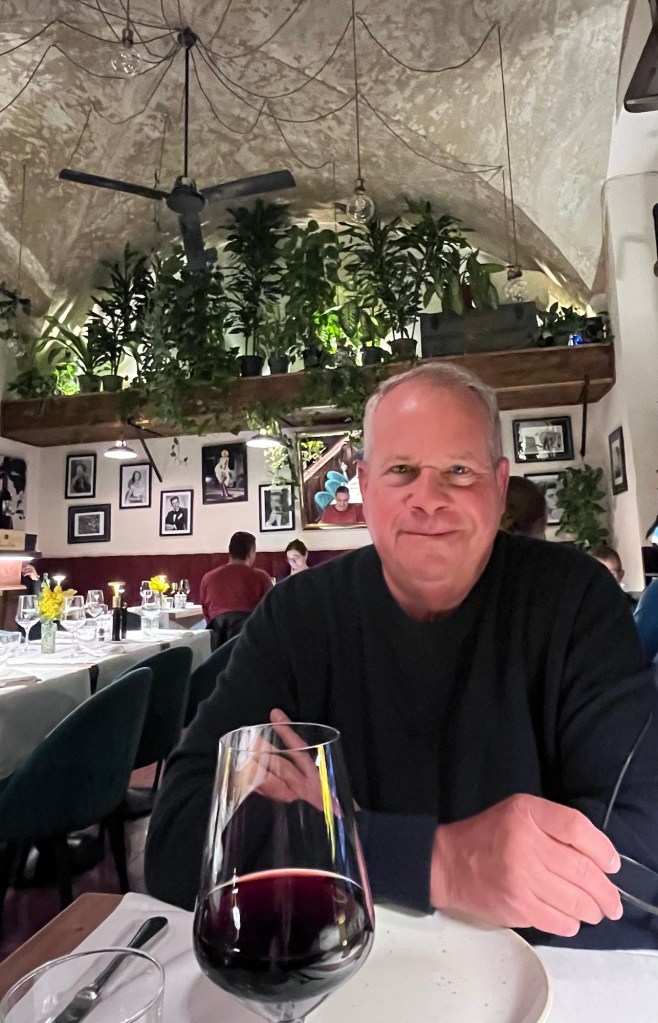
Loved the interior of the restaurant. An interesting ceiling, lined with plants and lights added to the ambience.

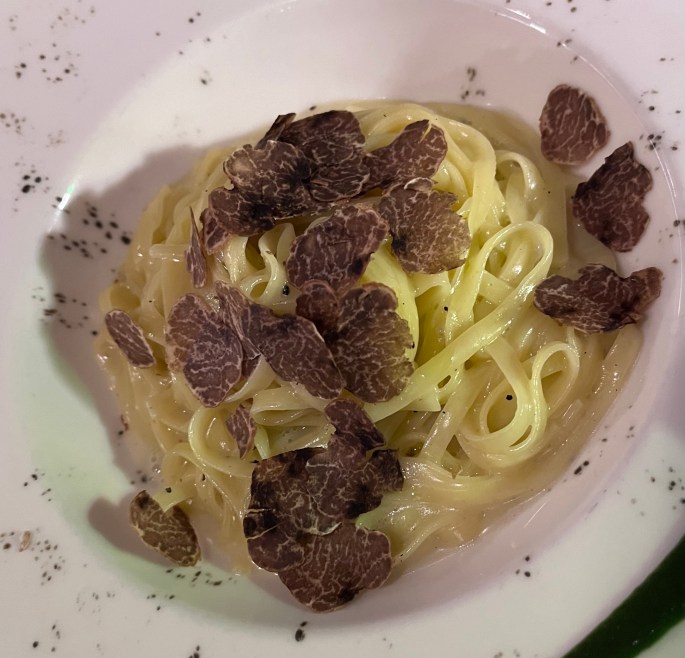
Eric needed more than soup and got the pasta with fresh truffles.

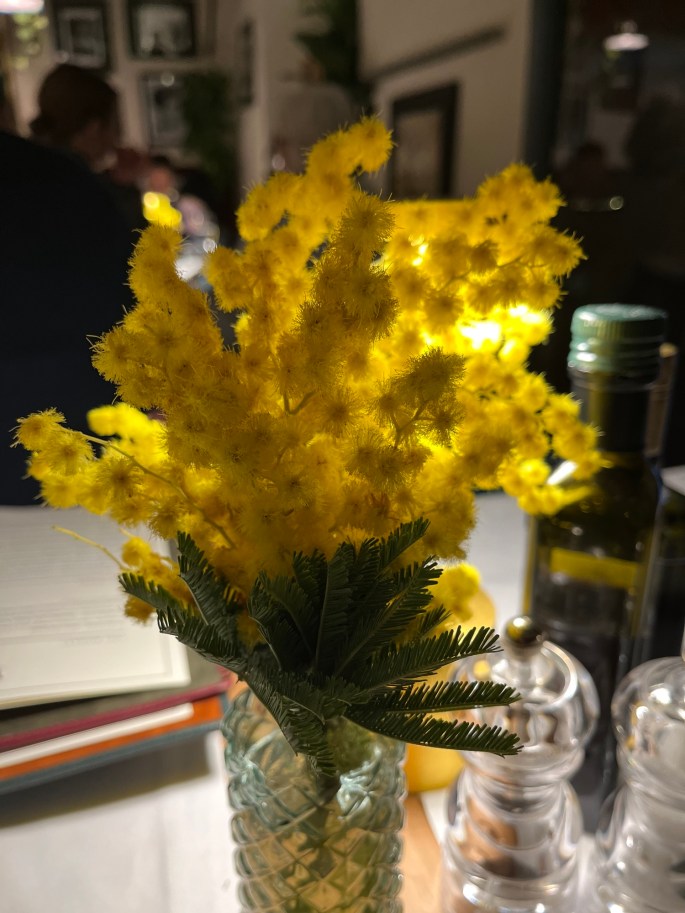
Notice the yellow flower on the table? They were very prevalent on our day of travel and were seen everywhere. Why? The yellow mimosa became the symbol of International Women’s Day in Italy and we were in Italy when celebrated. 🙂

Rome History – part 4, The Vatican

Vatican City – a landlocked independent country gaining independence from Italy in 1929. At 121 acres it is the smallest state in the world by area and population.

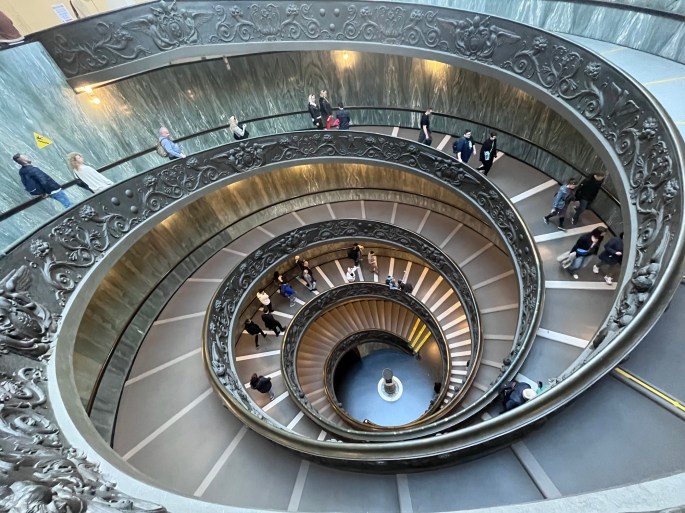
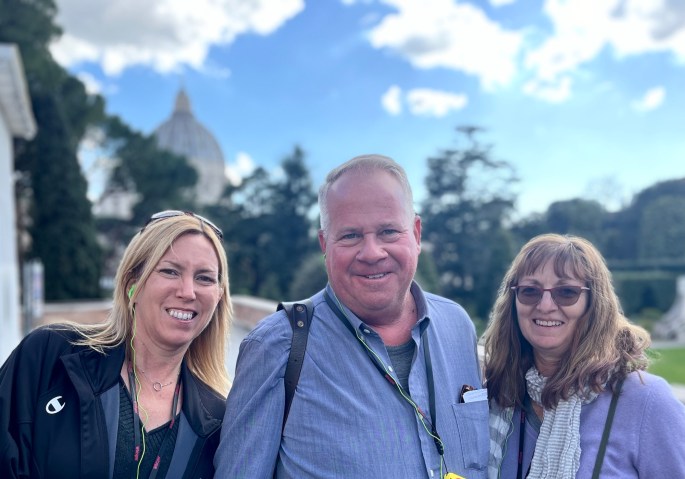
After stepping across the ‘boundary’ into this country, we came across the double-helix staircase. Eric assumed we were going down the staircase – no. You can see him in the blue shirt and backpack. He had to hurry back up to join the tour.

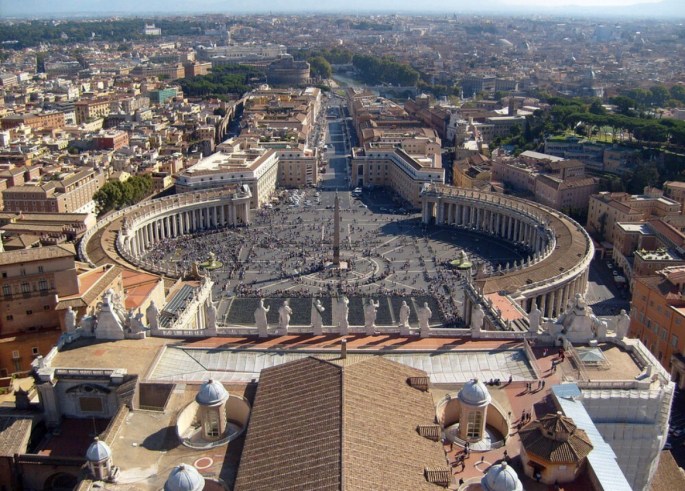
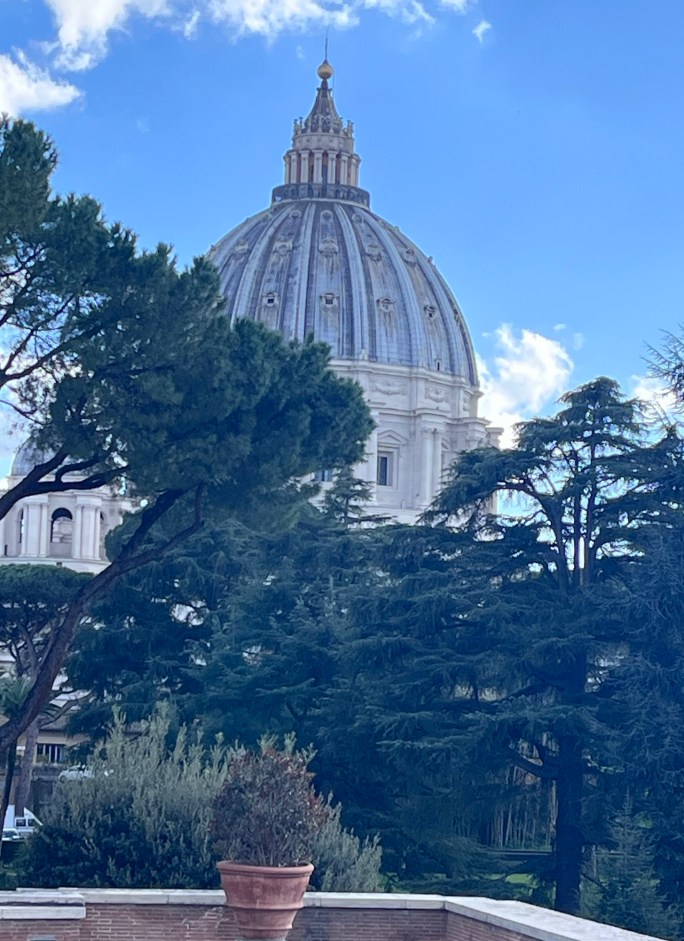
We stopped at this balcony to get a photo of St. Peter’s dome before exploring the treasures of the Vatican.

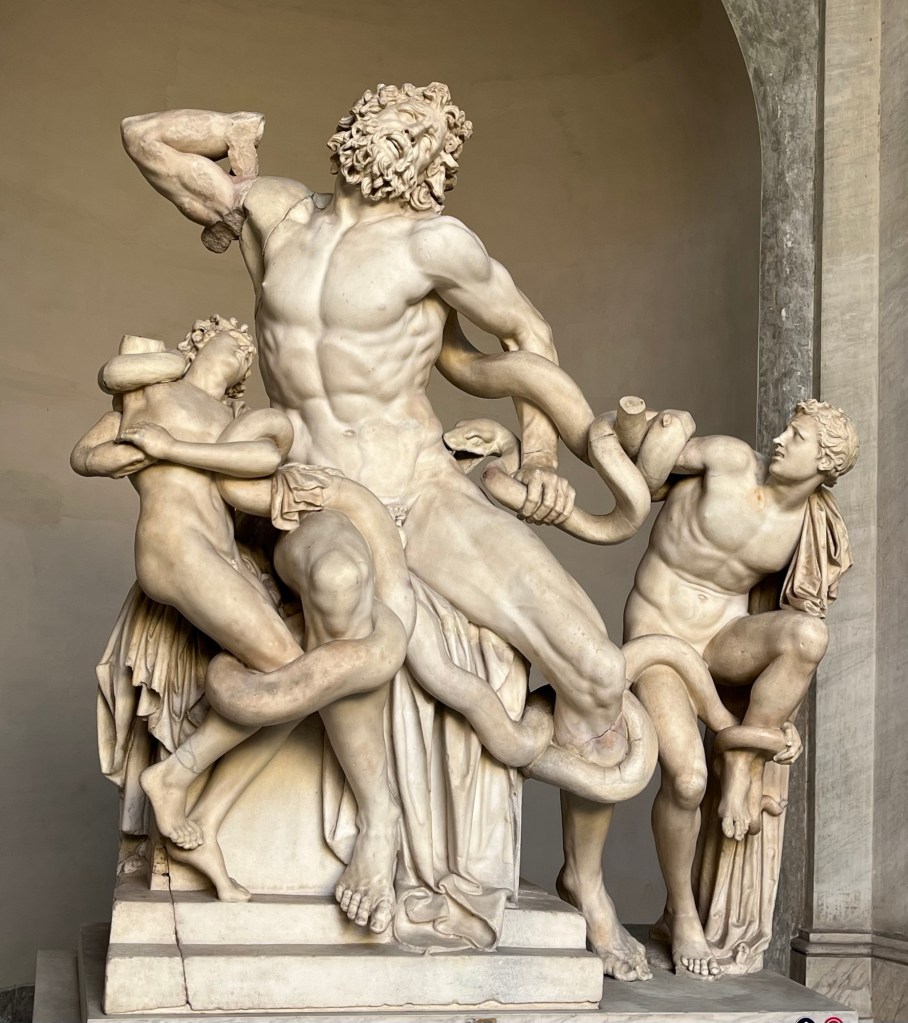
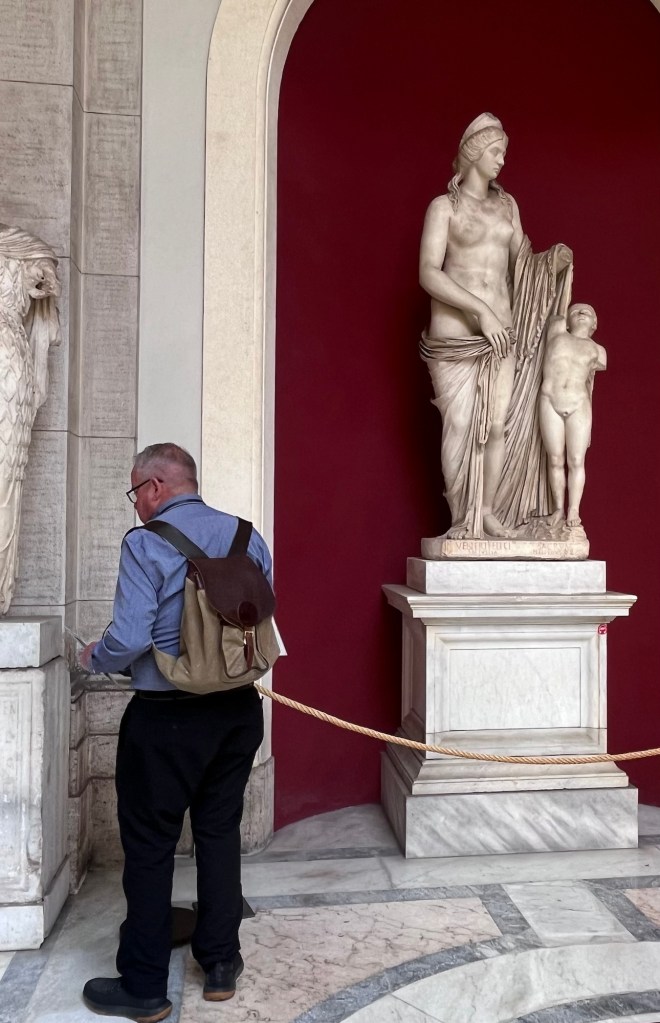
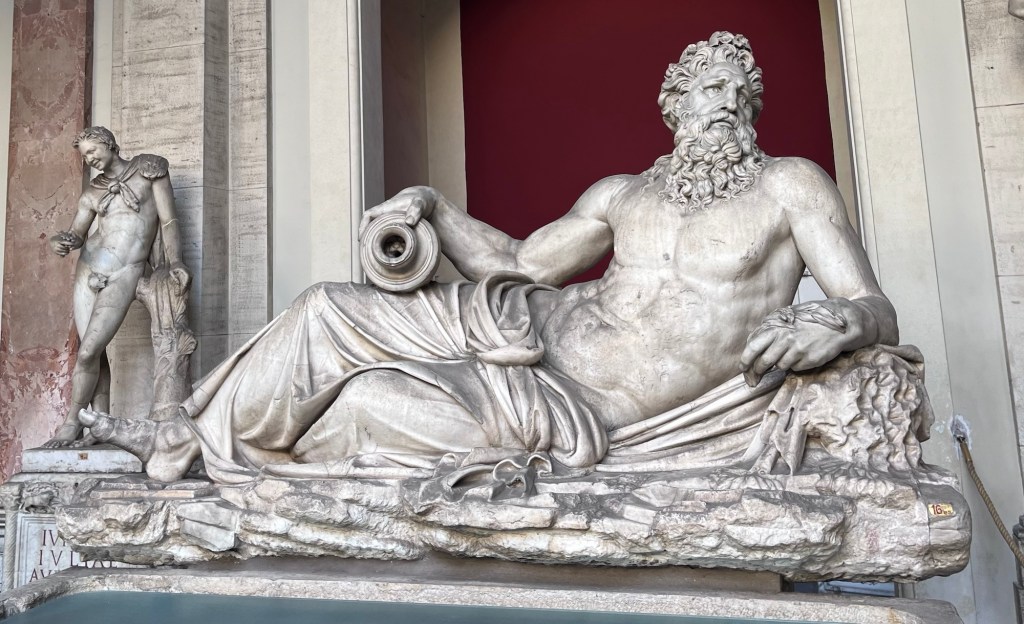
Our first little portico we stopped at had these statues.

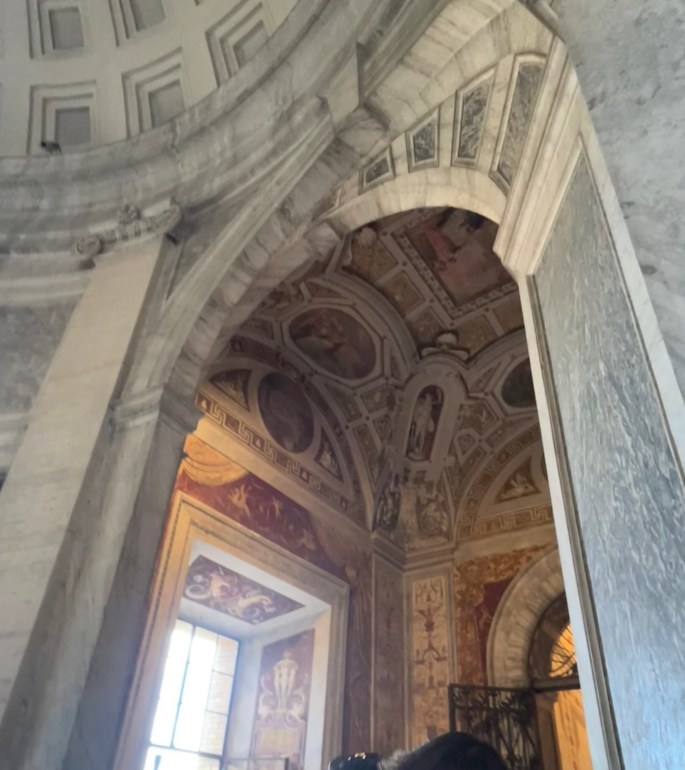
This twisted archway was different and interesting.

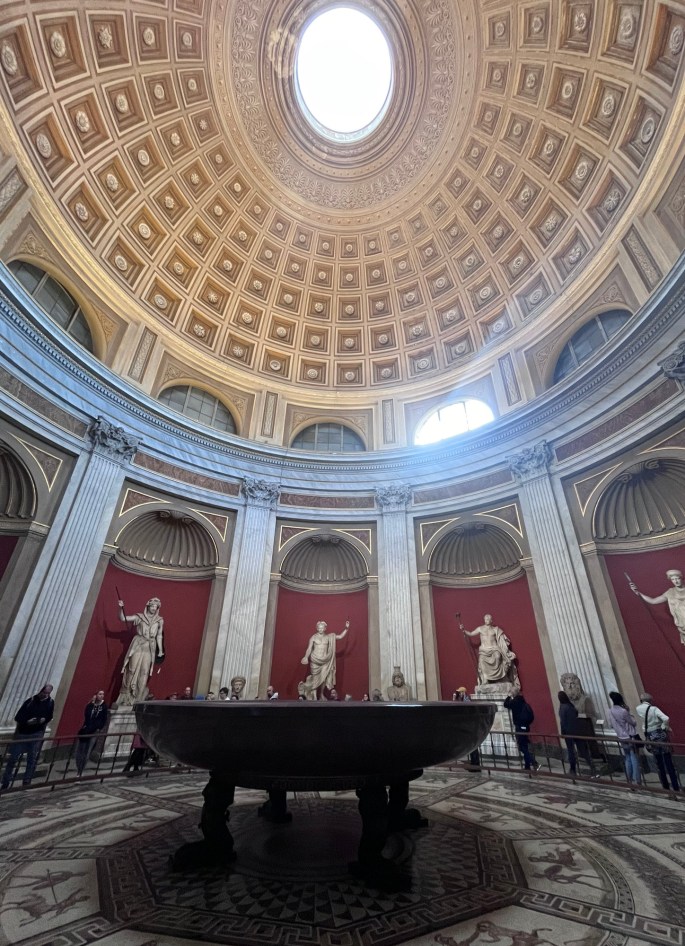
Leading us to this rotunda of statues, with the dome reminiscent of the Pantheon in Rome.

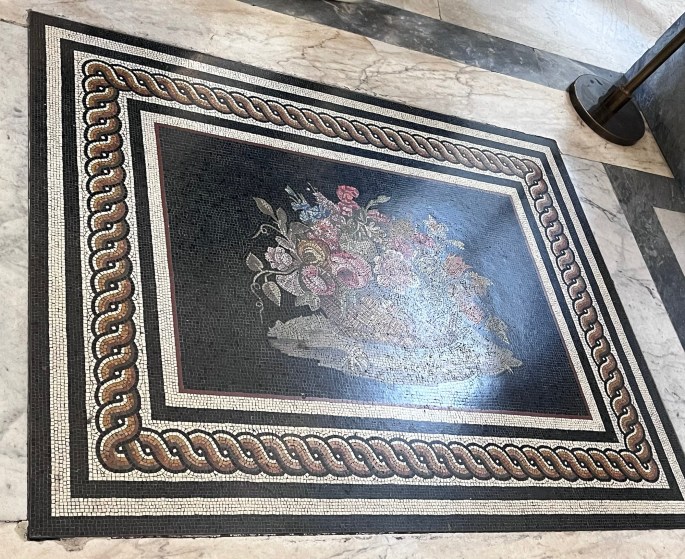
Everyone is always looking up but artwork also abounds on the floor – like this floral mosaic.

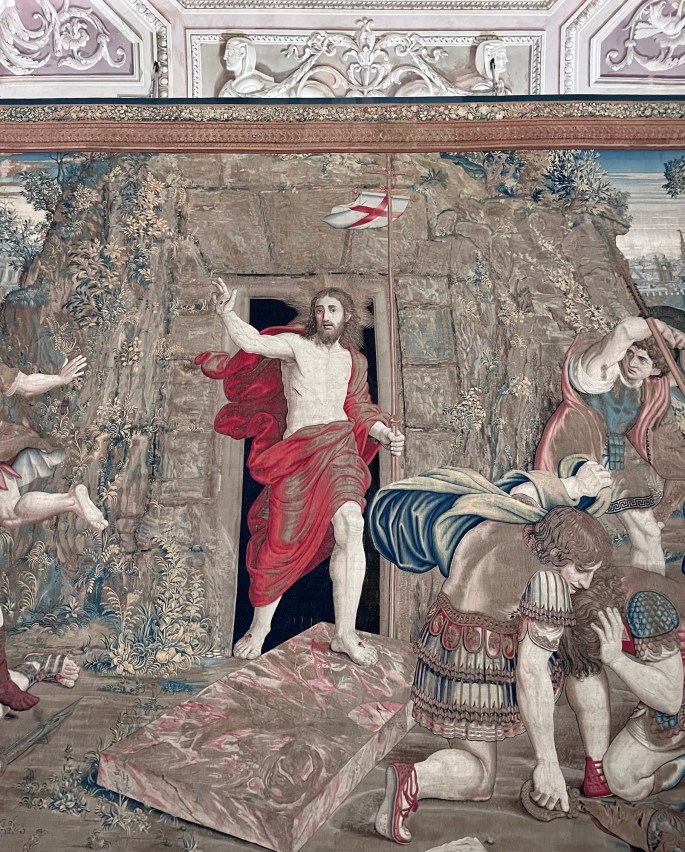
One hallway was dedicated to tapestries.

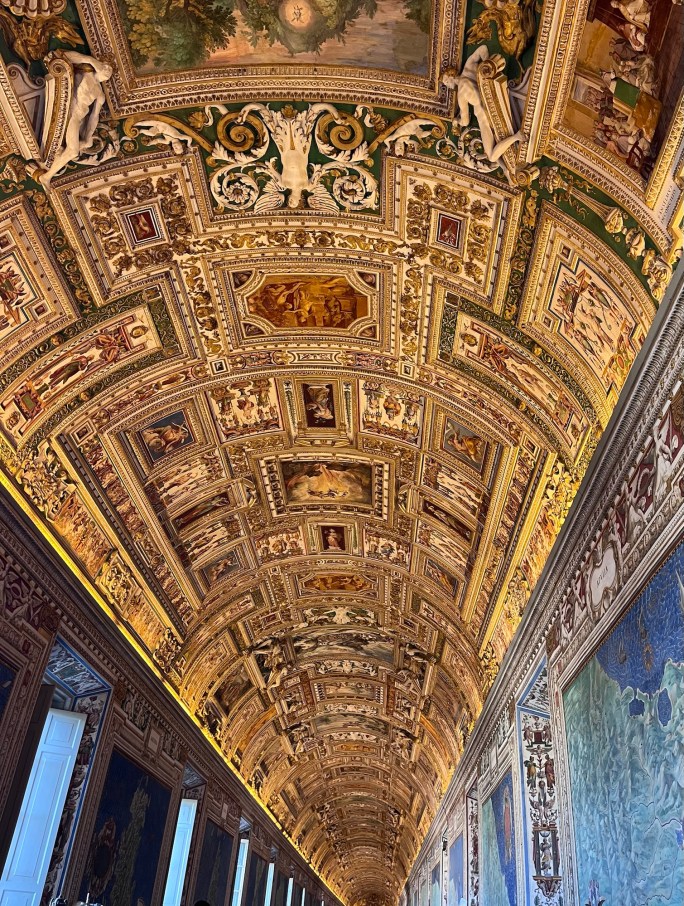
Right before we walked through the map room.

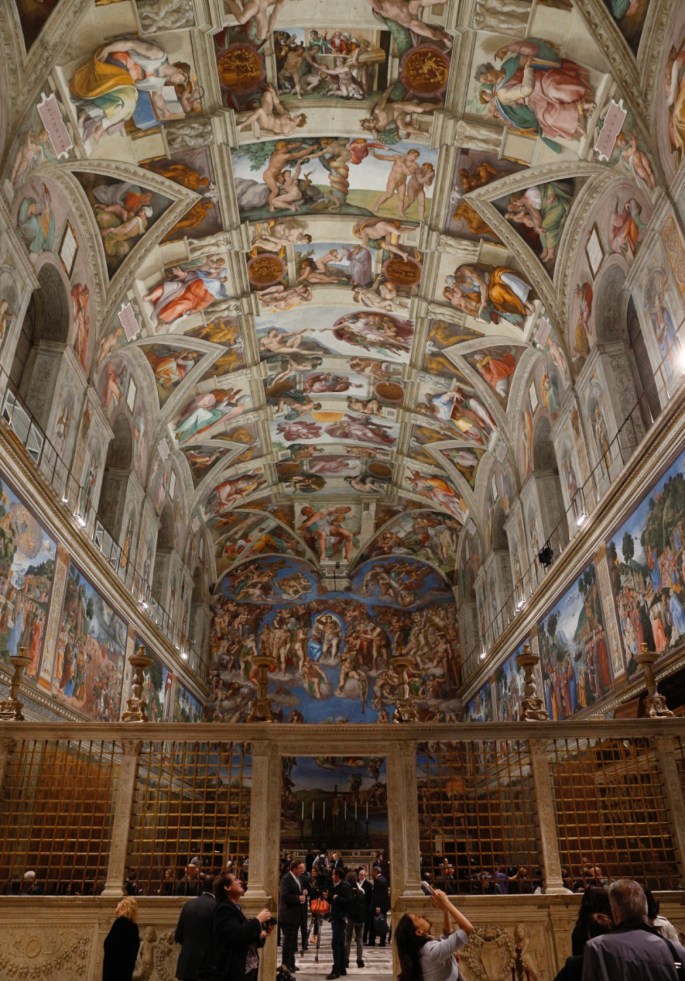
No photos are allowed within the Sistine Chapel. I searched on the internet and found this shot which I liked. A lot of story-telling going on and our tour guide educated us on the different panels before walking through. While we were there, prayers were given in several languages, making it a bit more realistic and special. The fame of the Sistine Chapel lies mainly in the frescoes that decorate the interior.

One of the functions of the Sistine Chapel is as a venue for the election of each successive pope in a conclave of the College of Cardinals. On the occasion of a conclave, a chimney is installed in the roof of the chapel, from which smoke arises as a signal. If white smoke, which is created by burning the ballots of the election, appears, a new Pope has been elected. If no candidate receives the required two-thirds vote, the cardinals send up black smoke—created by burning the ballots along with wet straw and chemical additives—it means that no successful election has yet occurred.

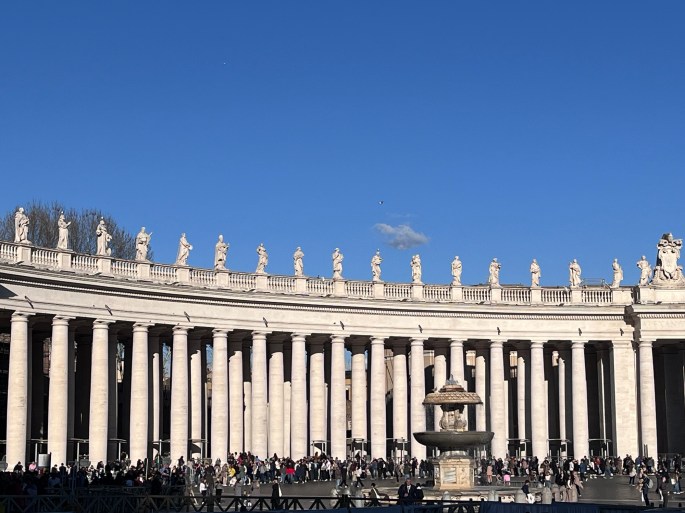
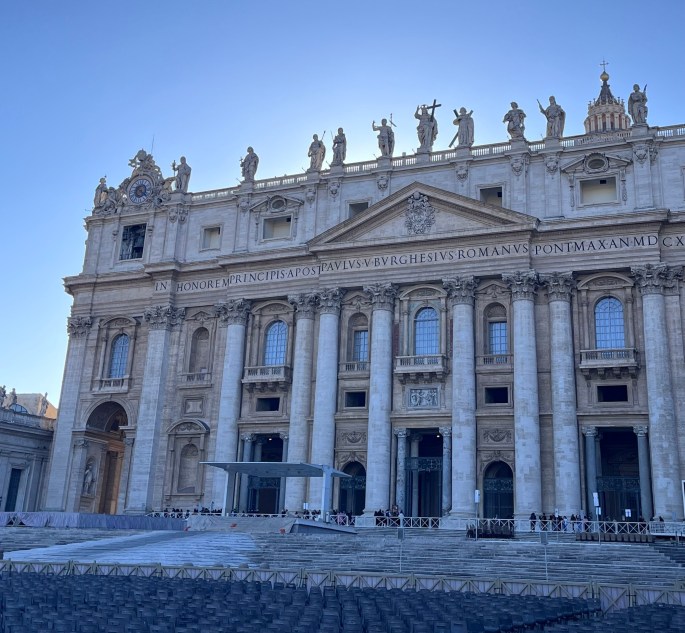
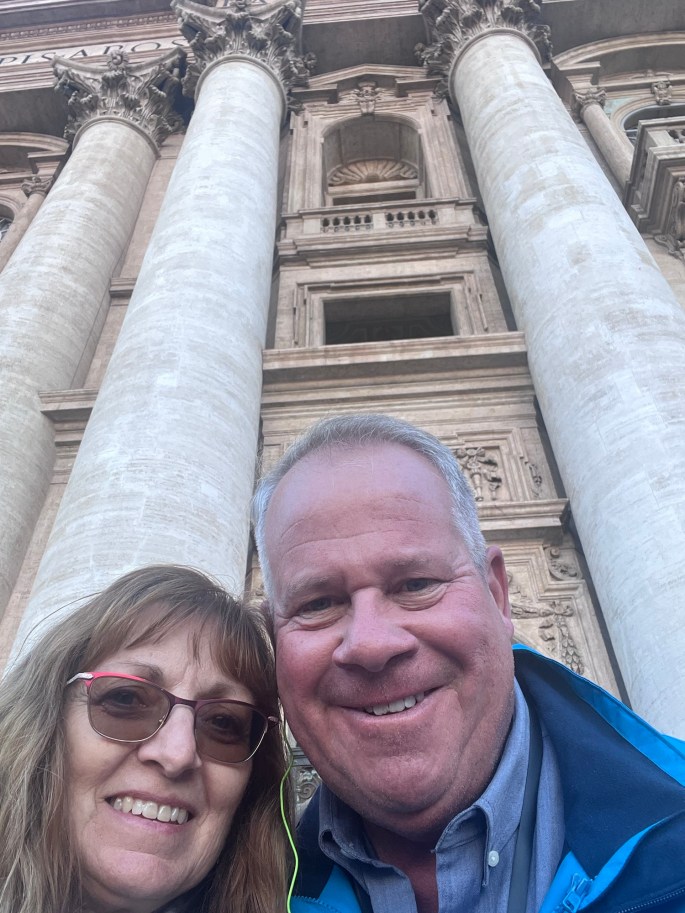
The last part of our tour was St Peter’s Basilica.  It is one of the most renowned works of Italian Renaissance architecture and the largest church in the world by interior measure.

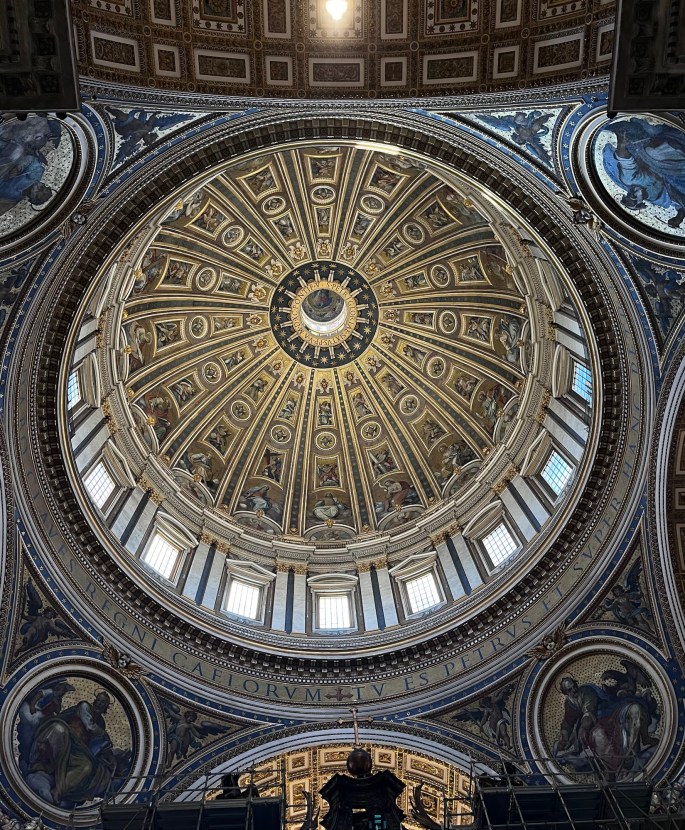
The dome was closed for touring, but I could get a shot without showing (much) of the scaffolding.

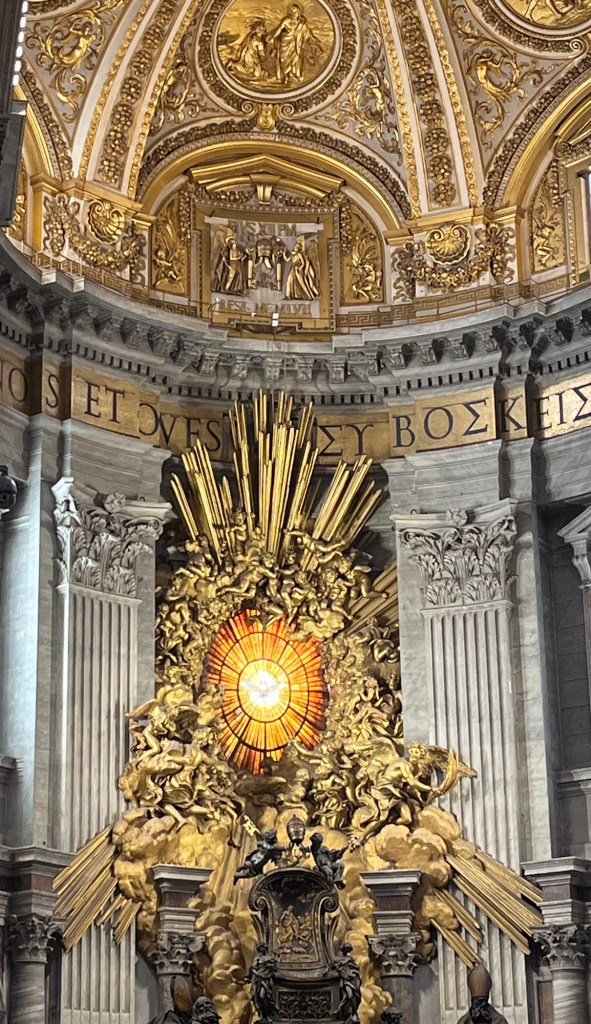
Most of the alter was also blocked but I could squeeze in a tiny photo from the side.

St. Peter’s is regarded as one of the holiest Catholic shrines. It has been described as “holding a unique position in the Christian world” and as “the greatest of all churches of Christendom. There is sooooooo much to this place. It was one of our last activities in Rome and took me quite a while to go through the large number of photos I took.

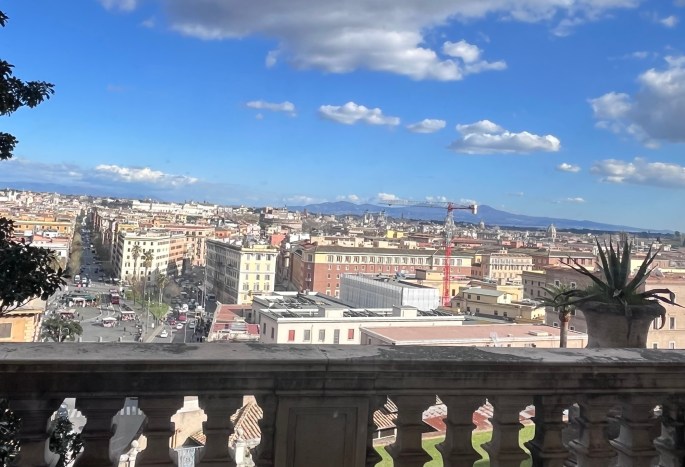
A view of Rome from Vatican City

Rome History – part 3

Piazza Navona – a public open space in Rome. It was one of several that popped up when researching our trip. Later this day we had a tour booked for The Vatican, so we had free time to wander the historic streets, grab a cappuccino & croissant and soak in the ambience of Rome.

The space was initially used in the 1st century as the Stadium of Domitians. Ancient Romans came here to watch games. Following the Fall of Western Rome, the stadium fell into ruins and was quarried for building material. Little to nothing remains of that. It was re-energized in the 15th century when the city market was transferred here.

The primary reason on this day and time to visit was for the (3) fountains. We turned the corner and this was the first thing we saw – fountain was drained and work being done.

Bummer – this was going to be a wasted trip.

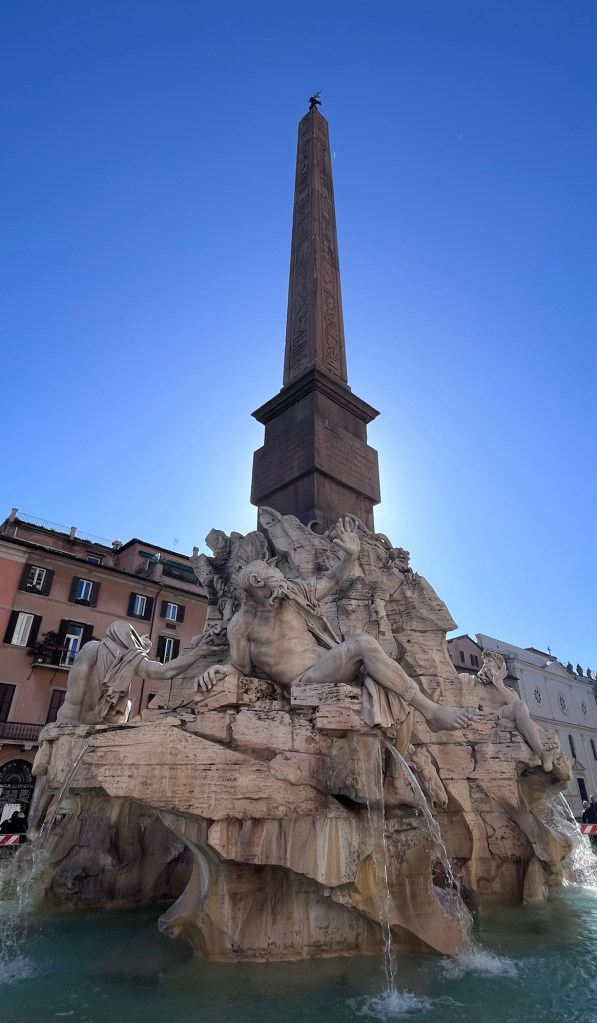
Nope – only one of the three fountains was not working. This was the centerpiece of the piazza.

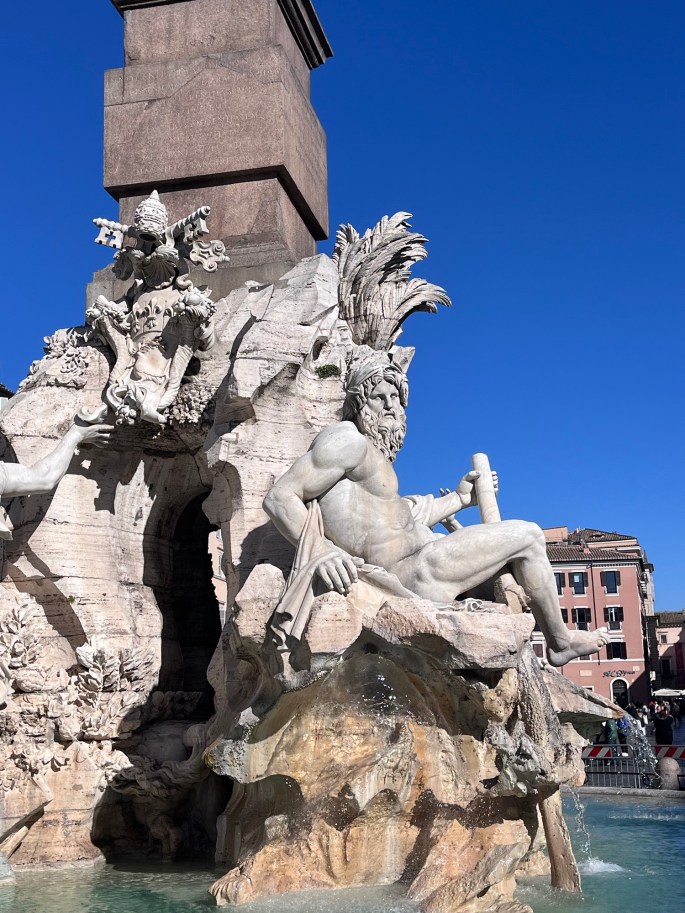
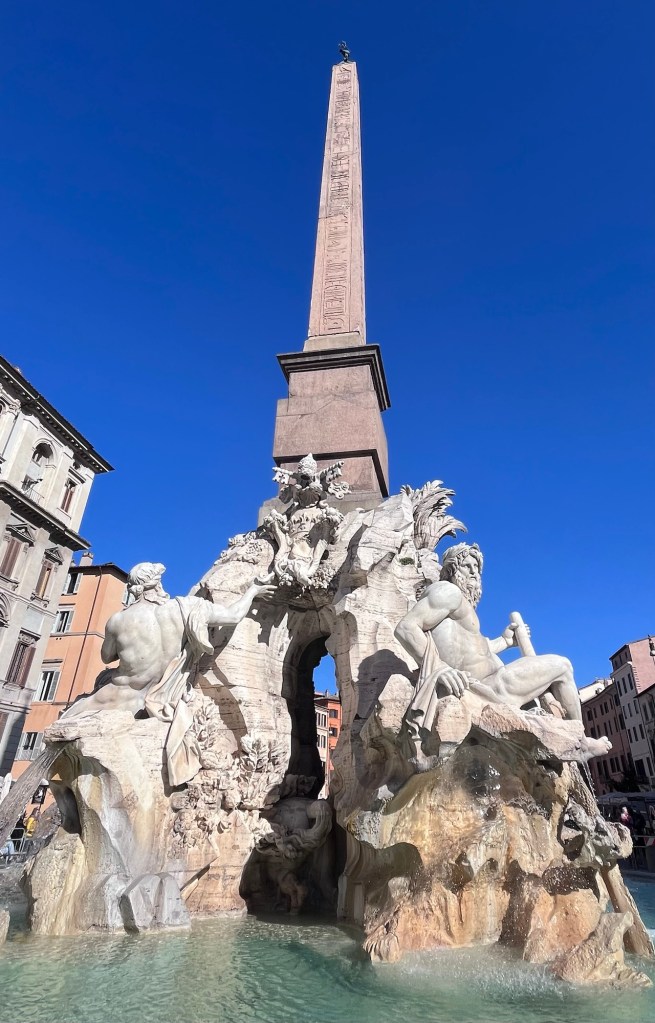
Called the Fountain of Four Rivers and designed in 1651 to be representative of the spread of papal authority. There was so many details wrapped up in this fountain. You could keep circling and find more things during each circumference.

The four rivers represented the Nile (Africa), the Danube (Europe), the Ganges (Asia) and the Rio de la Plata (Americas).

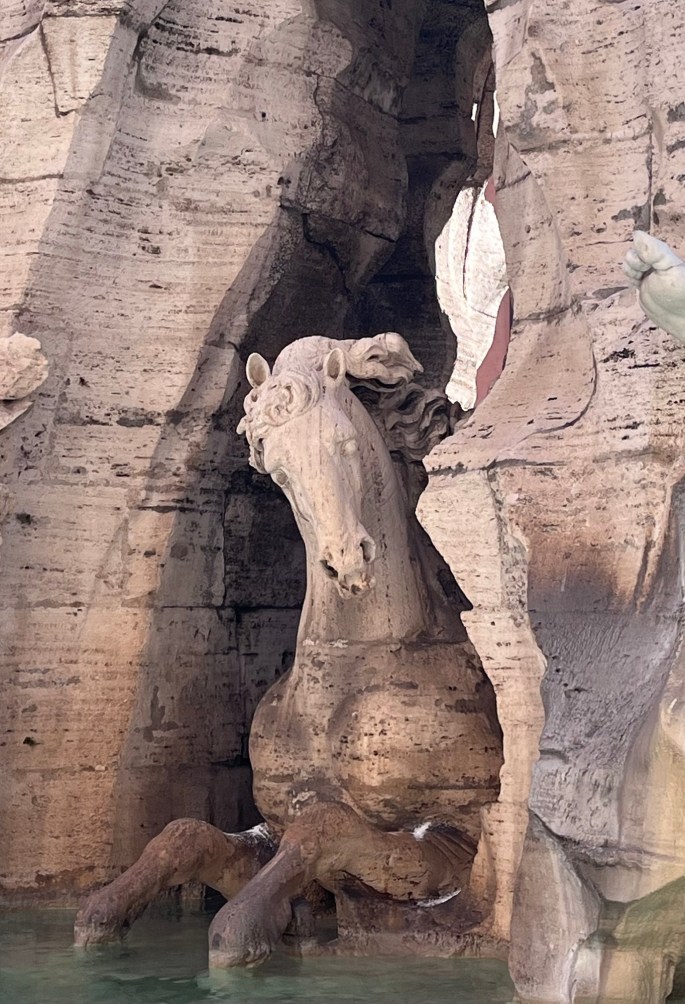
Loved the horse peeking out through the portal.

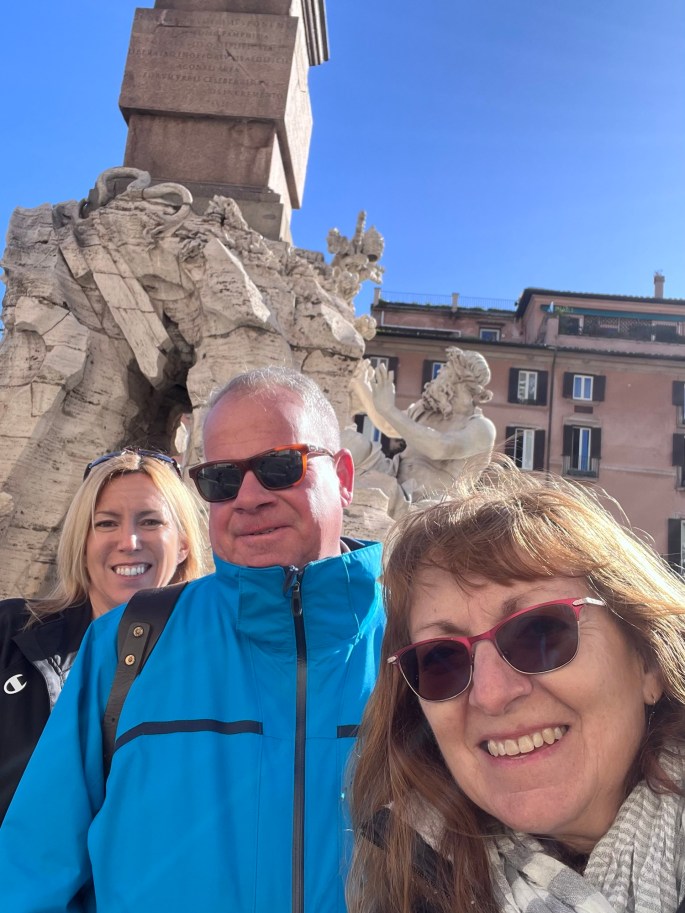
The group LOVES when I take photos – not. They’re good sports, most of the time.

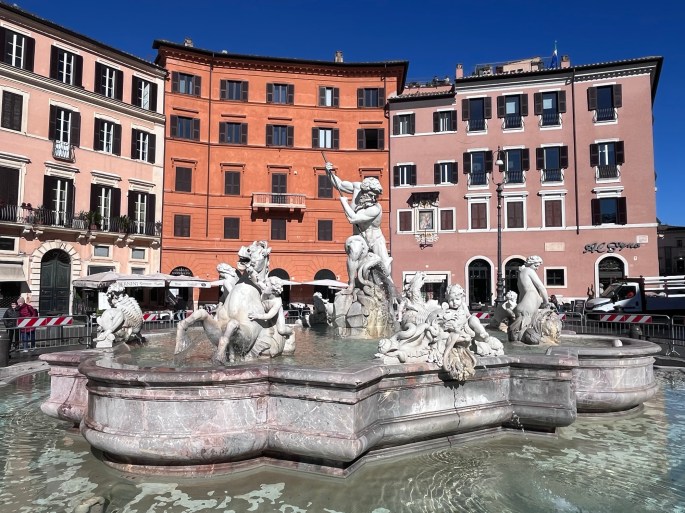
The third fountain was in the north part of the piazza, the Fountain of Neptune.

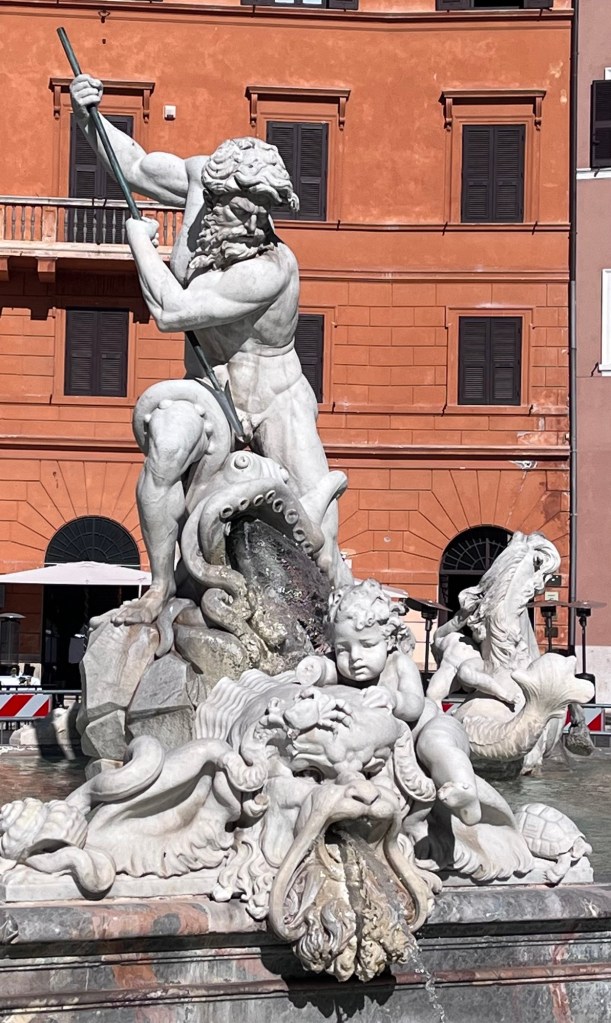
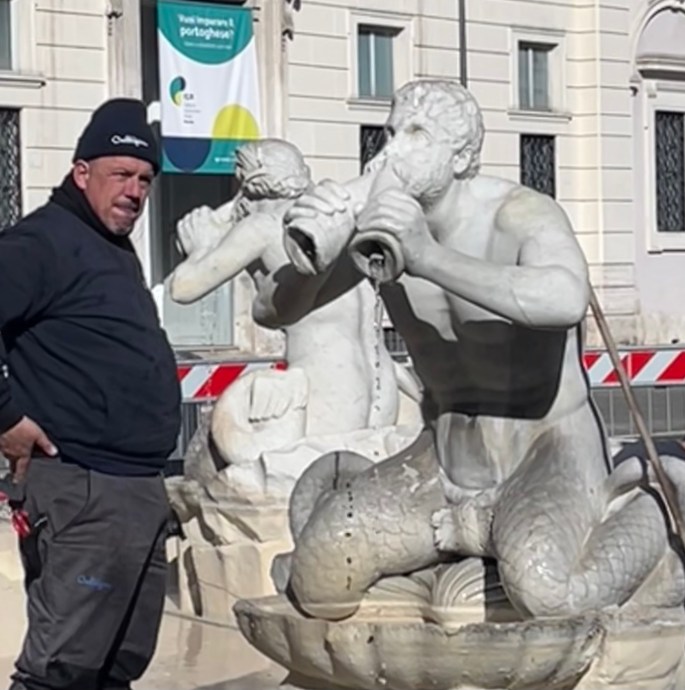
Yes, we did some people watching while eating our croissants and cappuccino. Neptune fighting the octopus was in front of us. Hard life – people-watching, enjoying a pastry, listening to the fountain’s water and soaking in the Italian sun. I could do this for months on end.

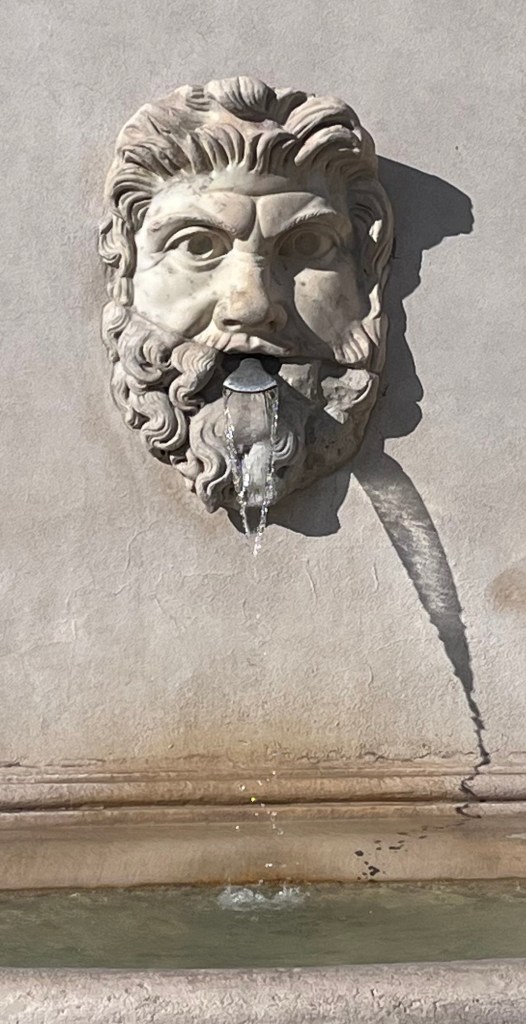
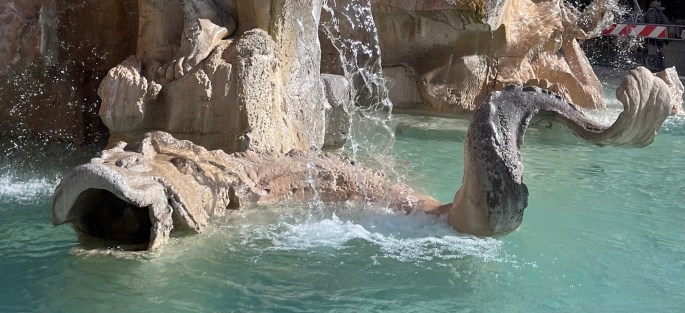
So many things going on with these fountains. You could literally do one post on each fountain and all of the symbolism. It was hard to capture the many different components, but I did like this sea creature.

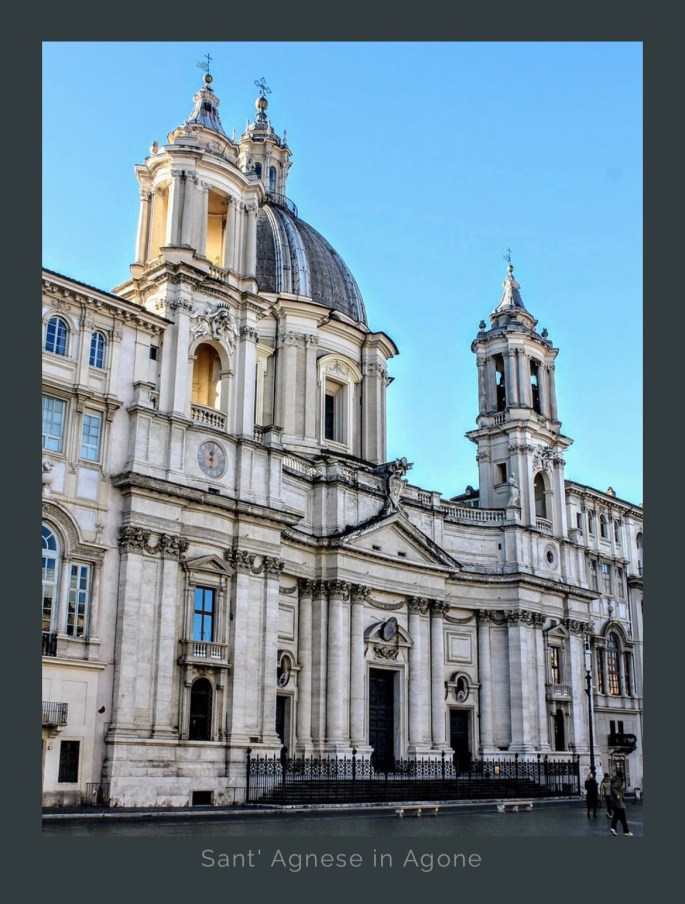
There was a building in the middle of the piazza that individuals kept going into and thus we did our own exploring. Many people come just for the three fountains and miss this worthy, hidden gem in Rome. It was fascinating reading about it. The little bit of info below only scratch the surface of its stories.

This was a 17th century Baroque church, built on the site of a much older church dedicated to St. Agnes with research indicating this was the location she was martyred.

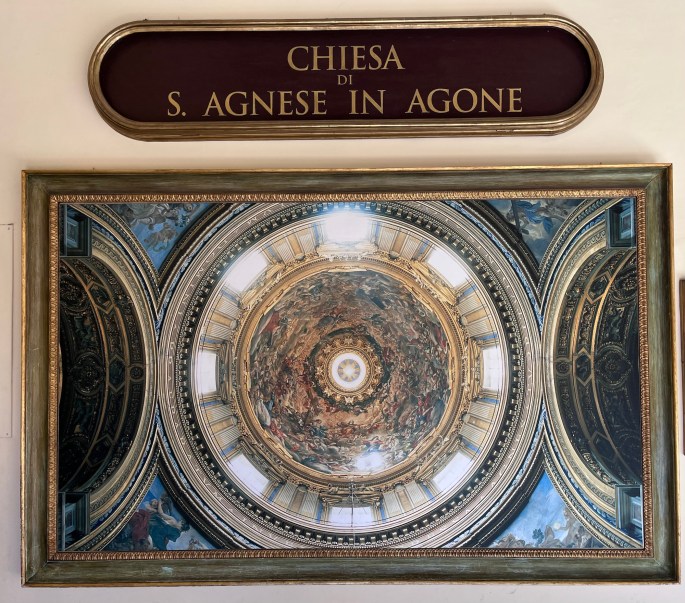
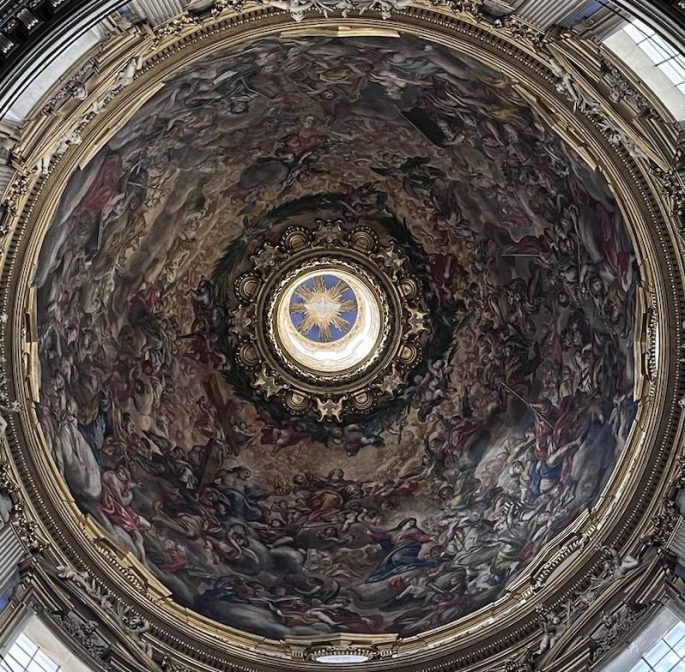
There are so many things to look at once you enter, but your eyes move upward towards the dome in the sanctuary.

The dome was designed for individuals to look up to heaven. The fresco in the cupola depicts the Apotheosis of st. Agnes and the four cardinal virtues: prudencejusticefortitude, and temperance. They form a virtue theory of ethics. All other virtues fall under them and hinge upon them.

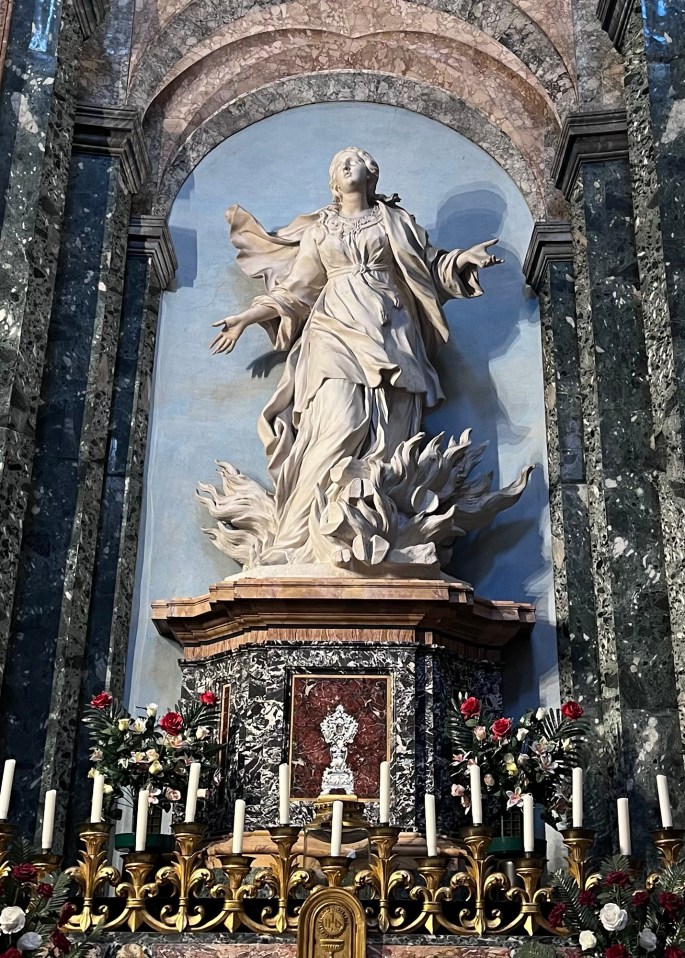
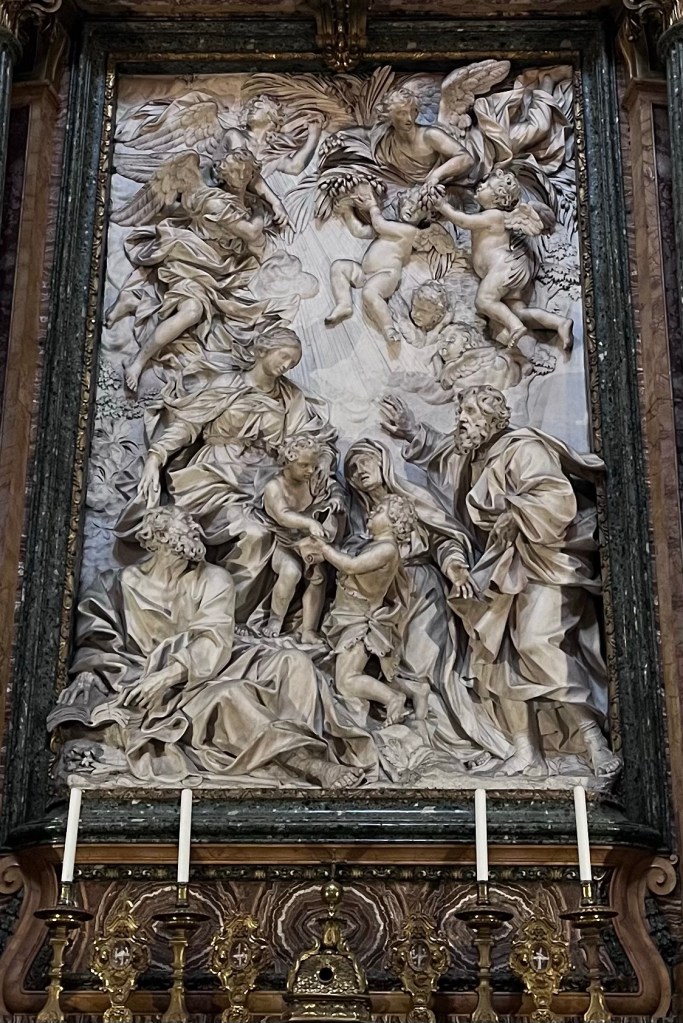
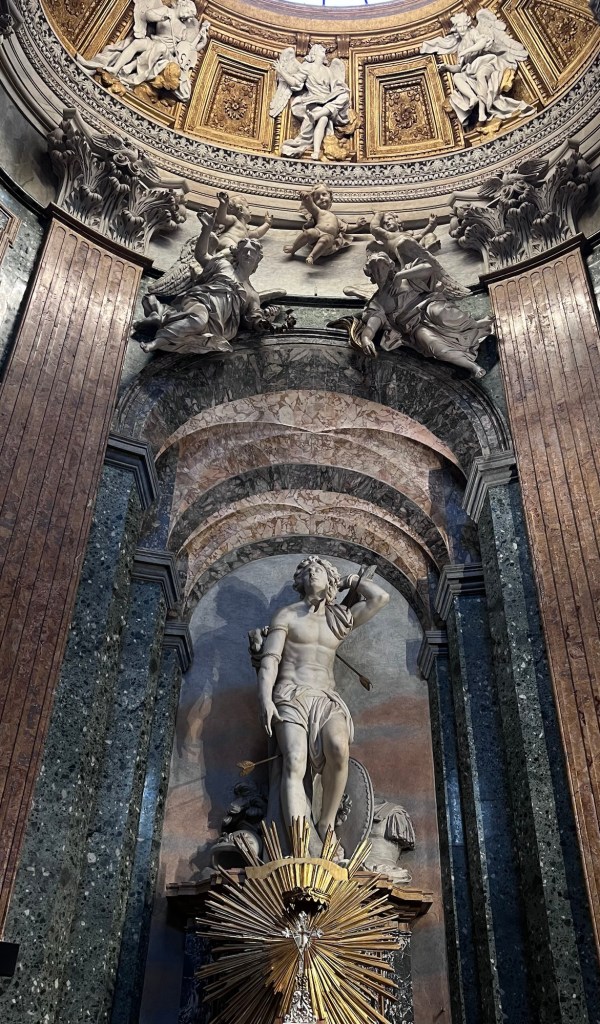
The alterpieces all take the form of bas-reliefs or statues rather than paintings. Below is the statue of St. Agnes when she extinguishes the flames at her feet with prayers.

This altarpiece represents the Holy Family with little St. John the Baptist, Joseph & Mary and baby Jesus. There is a lot more to this, but it started getting complicated.

The inside of the church was surrounded by marble sculptural Baroque masterpieces, dedicated to individual martyred saints. Below was one of the seven immortalized in statue.

There was a shrine inside of the church for Saint Agnes, containing her skull and a marble relief. She was martyred at 13 when she refused to marry a pagan. She was condemned to death. You can see her skull in the marble box below her statue. No lie, it was kind of creepy.

While the stories being told inside this church was gruesome, it was a beautiful church. My photos do not do justice for the beauty contained within.

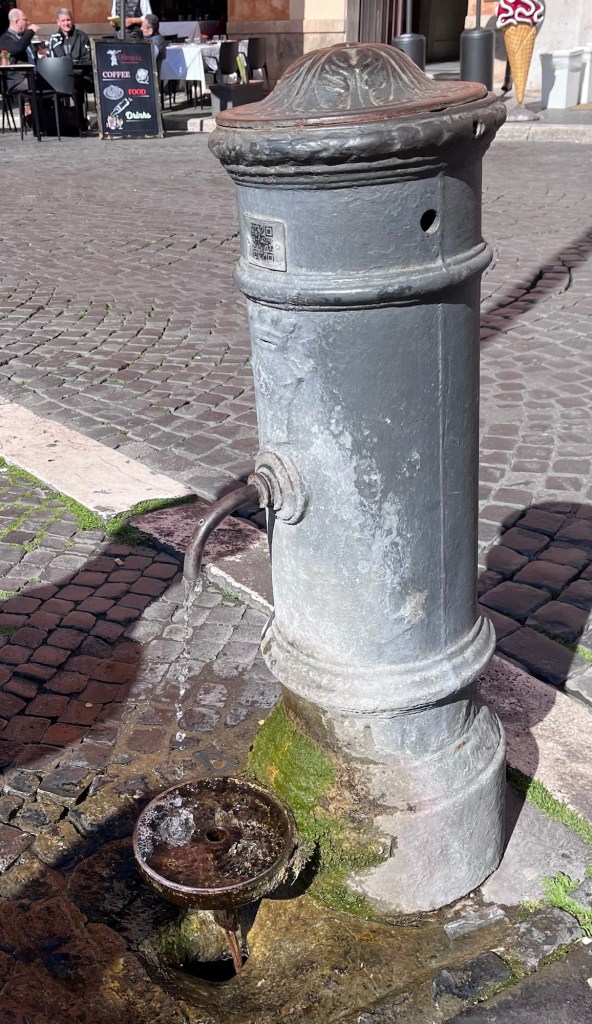
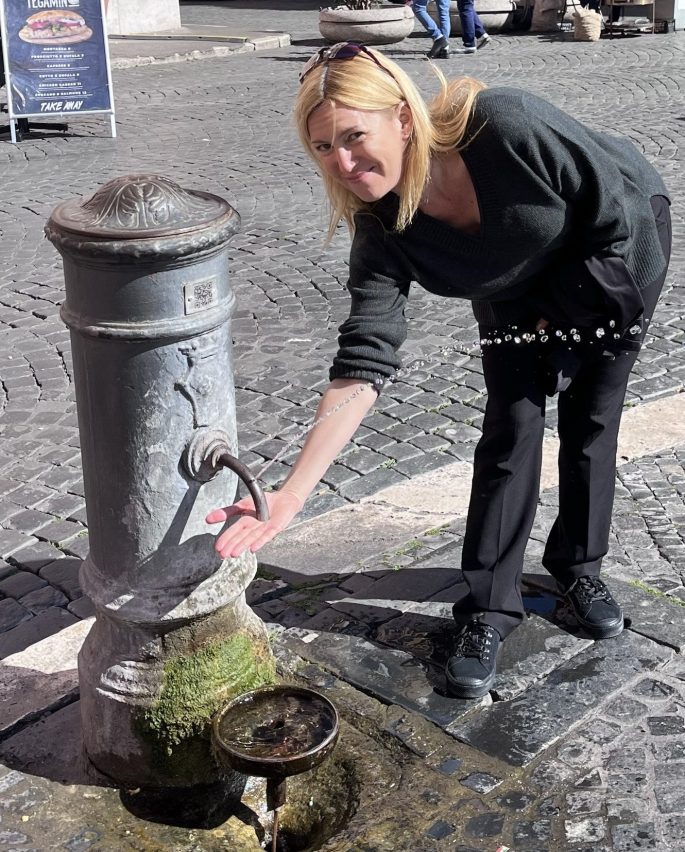
I want to leave you with this small ‘fountain’ located within this piazza. I assumed it was for pets to drink and stay hydrated.

That is until you stop the downward flow and this happens……..

Nice!

Rome Eats – second post

We needed a lunch before the start of our Vatican tour. Knowing we were going to be around a high tourist spot, we tried to get a bit off of the beaten path. We found Mama Eat. It is a chain found in Italy in several of the bigger cities. No matter, it got high ratings and it was within walking distance of our meeting place for the tour.

Luckily, we don’t have any food allergies, but they advertise ‘two kitchens, two ovens, two chefs and two brigades’ for the separation of their dishes. Nice.

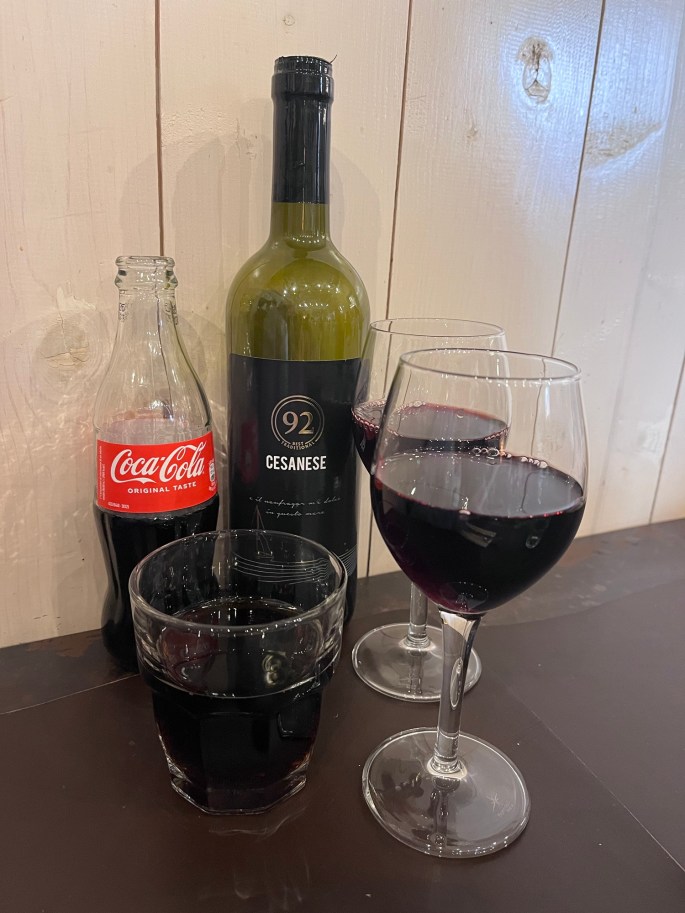
One guess who ordered the soda? That would be me.

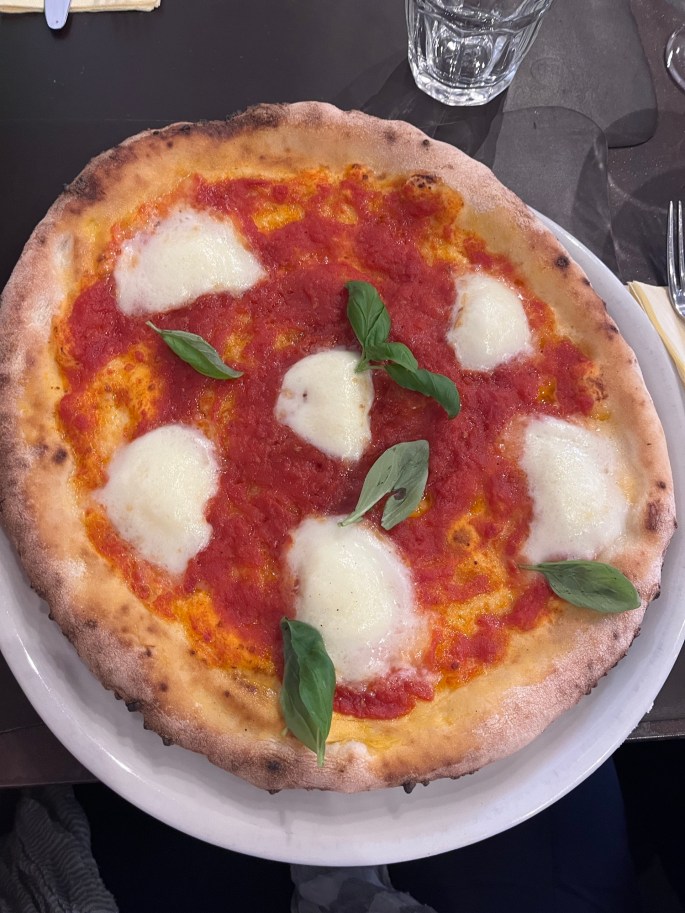
I felt like another pizza – why not? Just your basic (?!? ha!) thin Roman pizza crust, tasty tomato sauce and buffalo mozzarella cheese. Waaaaay to big but gave me a chance to eat only the tastiest morsels.

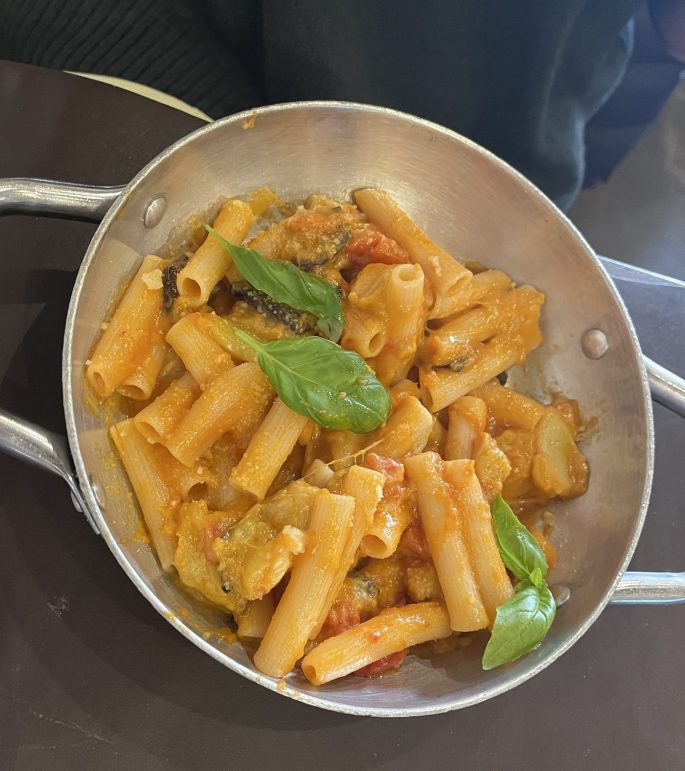
Adrienne’s choice for lunch was a pasta dish with eggplant and creamy tomato sauce.

Eric also choose pasta – that’s all I’ve got. We’ve had so many (great) meals by this point, we don’t remember the specifics. It looks good though. 🙂

It was a nice lunch in a high tourist spot.

Our last meal in Rome was excellent. It was recommended by our AirBNB host and although we did’t have a reservation, we were there right when it opened at 7pm and was given a table.

I will say that researching a bit on the internet before completing this post, it seemed like we were one of the lucky ones. A number of reviews were unhappy with the service (we were not), unhappy with their food (we were not) and treated rudely (we were not).

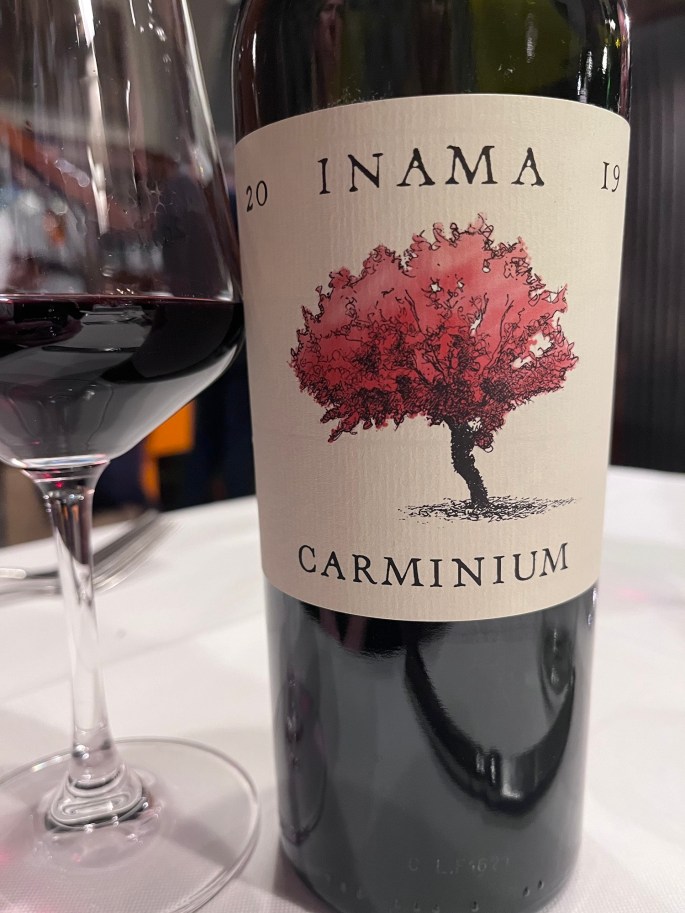
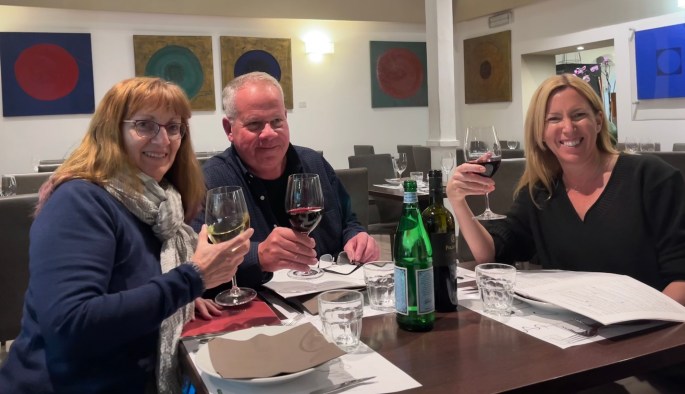
Our meal started with wine – white for me and red for the other two.

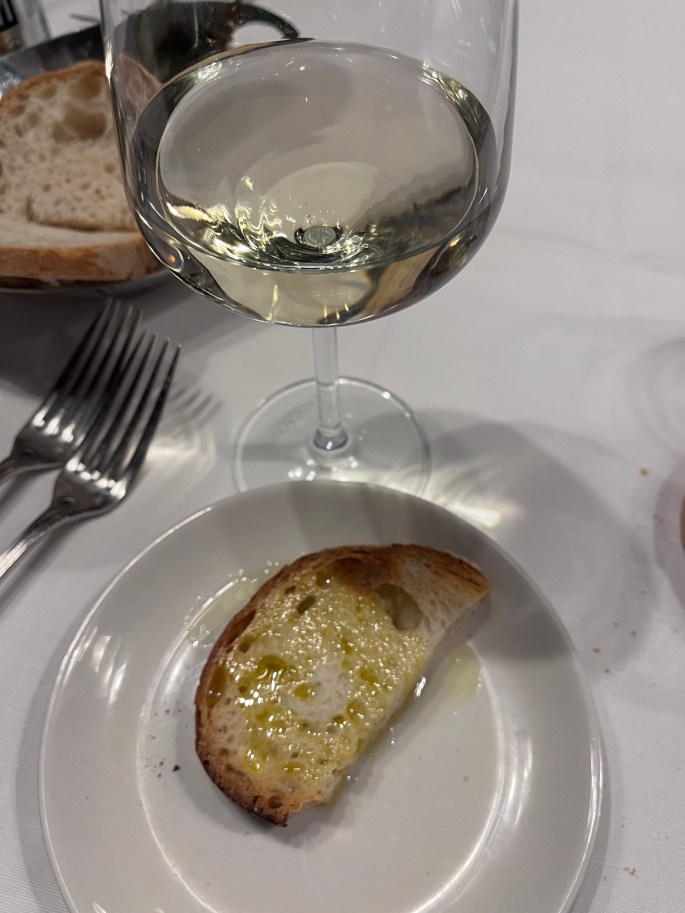
While this was very simple, it was excellent. Bread soaked in (their) olive oil – absolutely delicious.

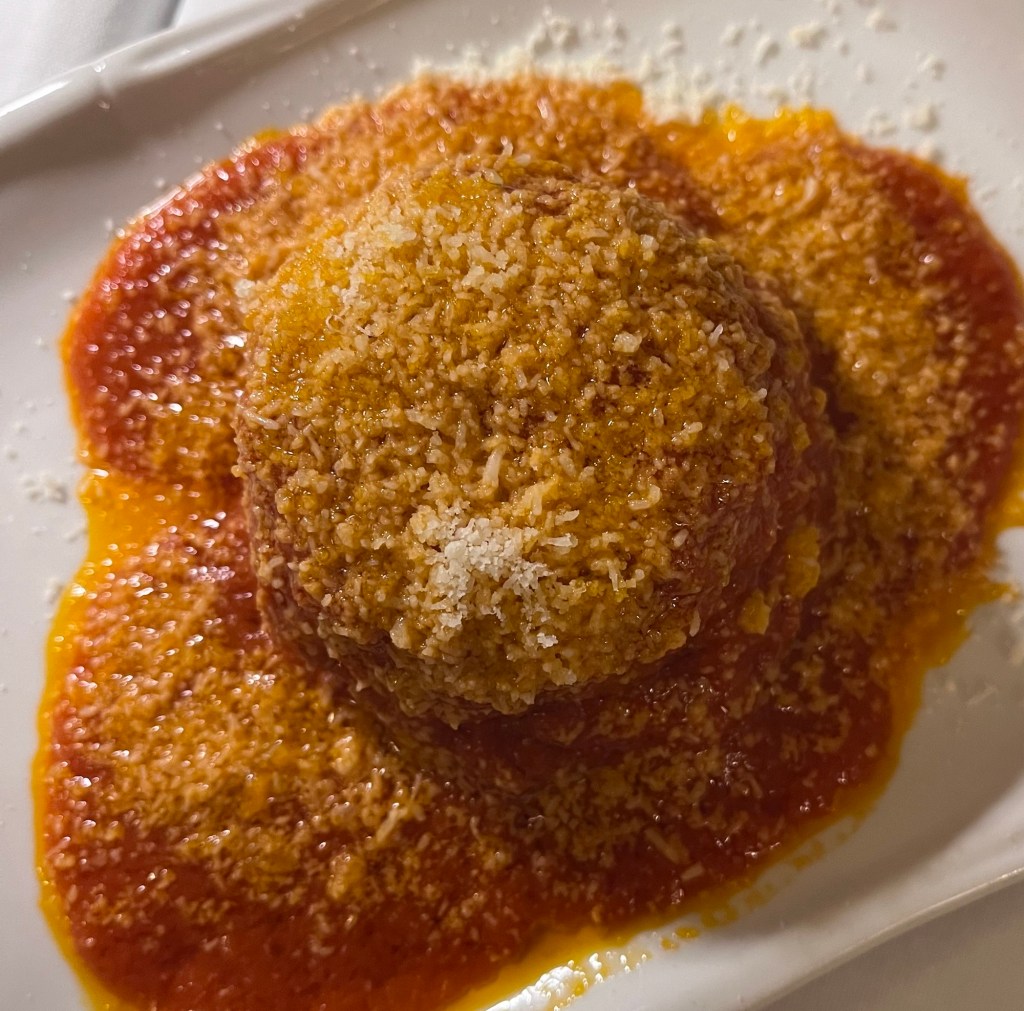
We ordered two starters, but our waitress said we needed to try the stuffed squash flowers. They don’t look like much but were tasty.

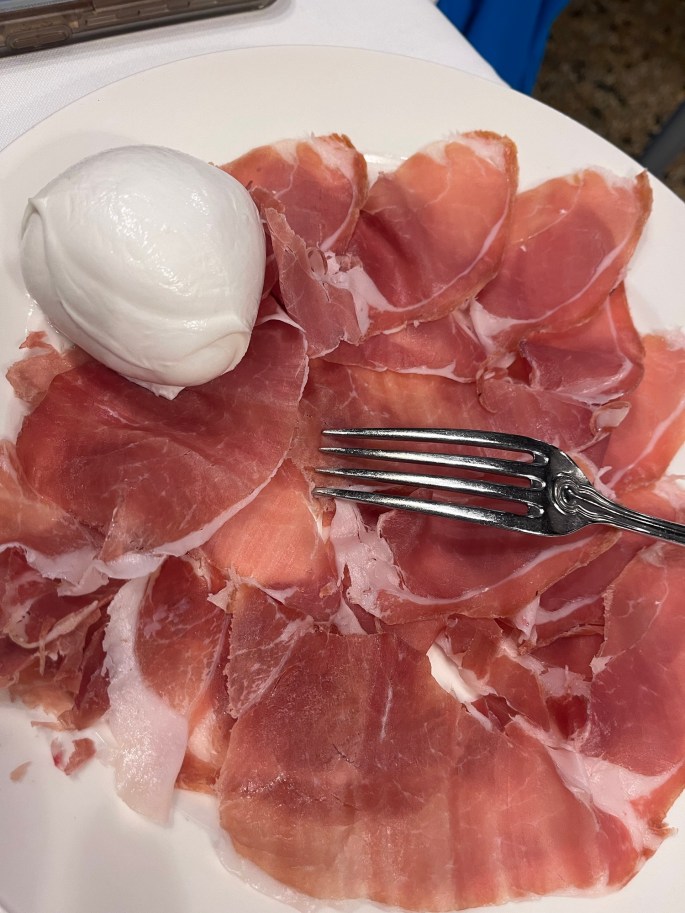
Next up was the Parma Ham – 36 months and buffalo mozzarella. Man! That ham is fantastic.

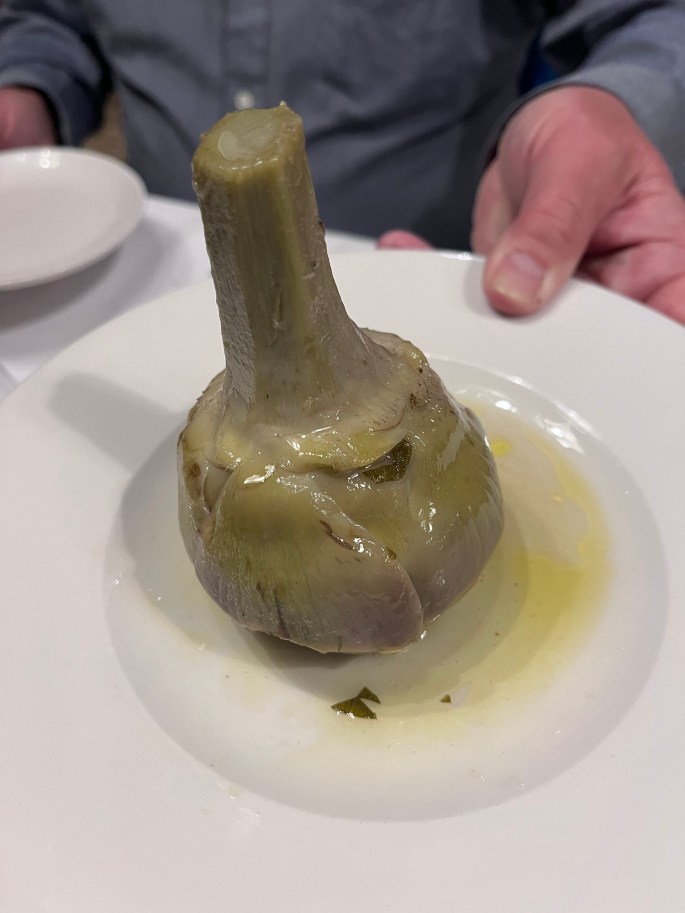
Along with a steamed Roman-style artichoke. It was tasty but different than the first one eaten on day one in Rome.

Adrienne’s selection was lamb – 3 ways (lamb chop, lamb loin and lamb brain). She really enjoyed all three.

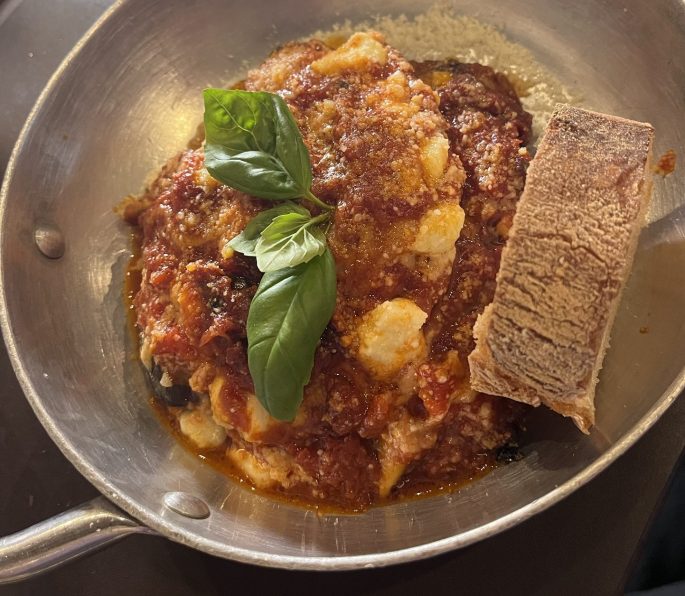
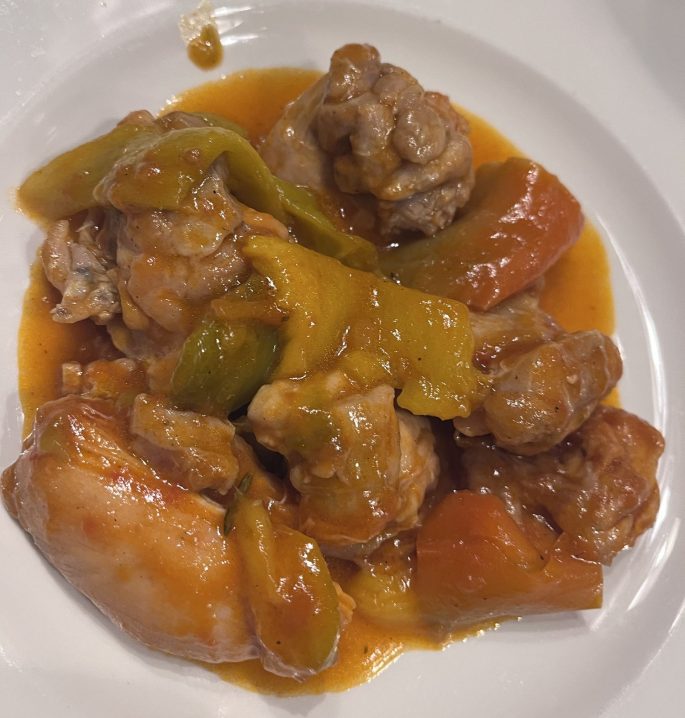
They had a special with chicken (de-boned) and peppers – which was my choice.

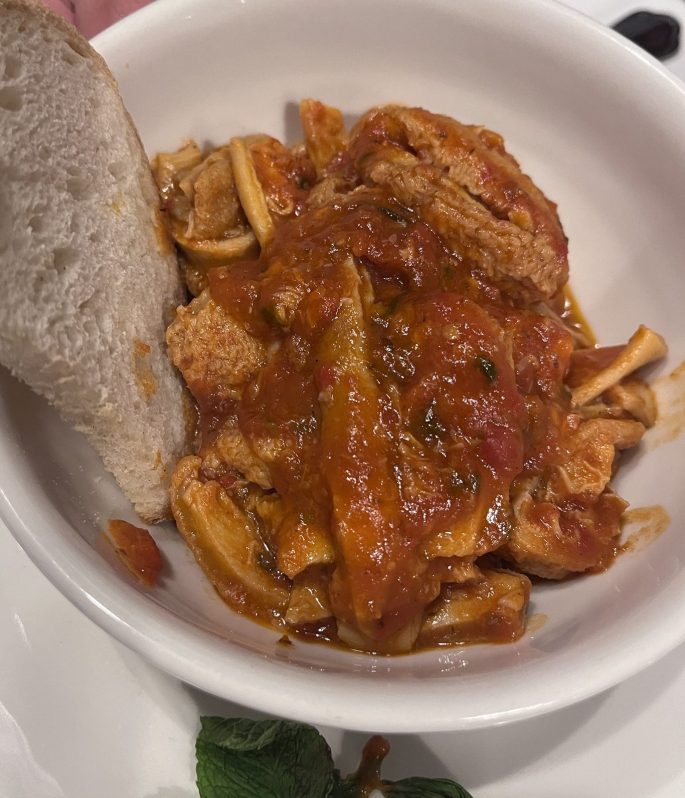
Eric had been wanting and waiting for his selection for years – Tripe, Roman style.

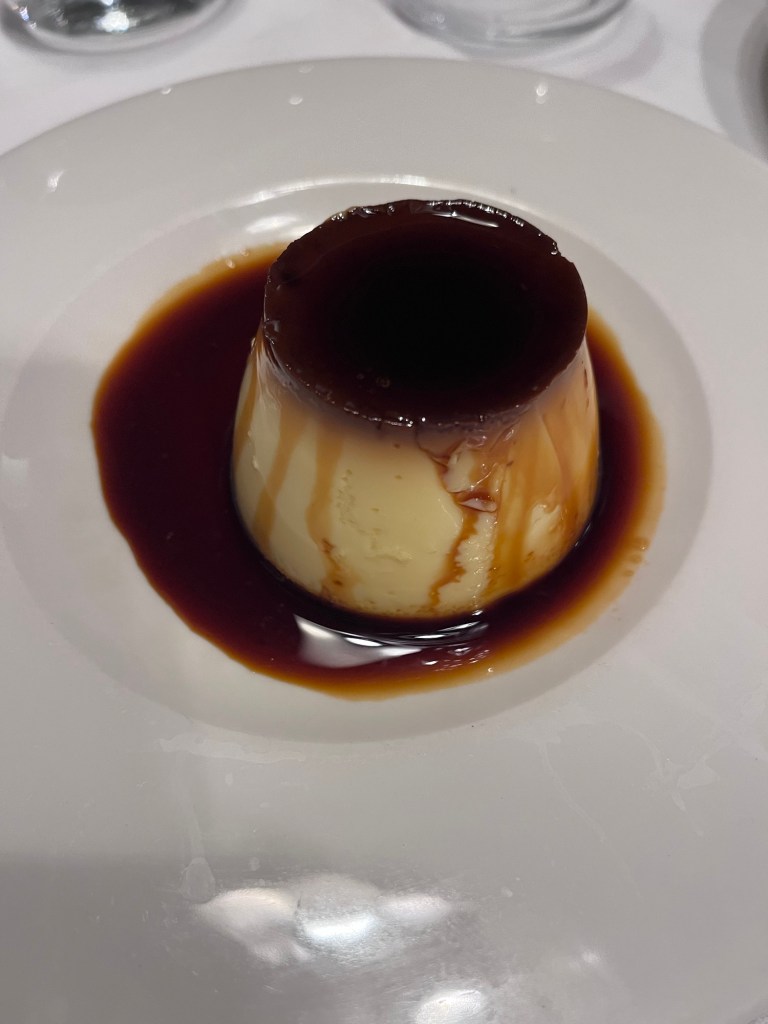
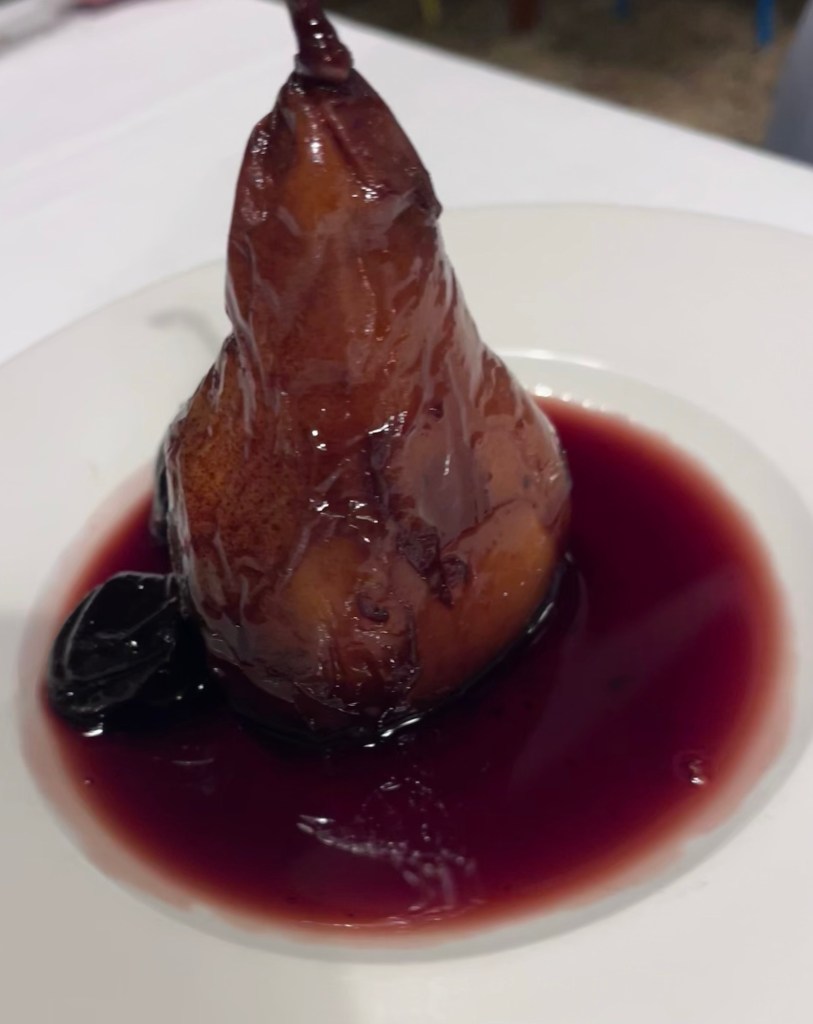
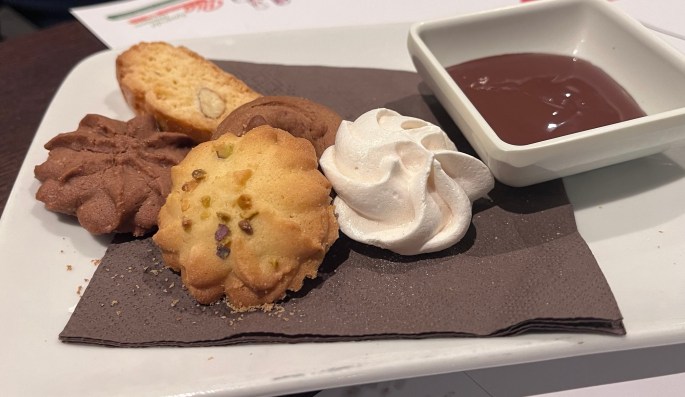
And since we didn’t have enough food yet…………we got two desserts to share.

I literally could not eat another bite. Once we got back to our place, I stayed up several hours later then my norm just to let my food digest. It was a great meal – but way too much food.

Rome history – part 2

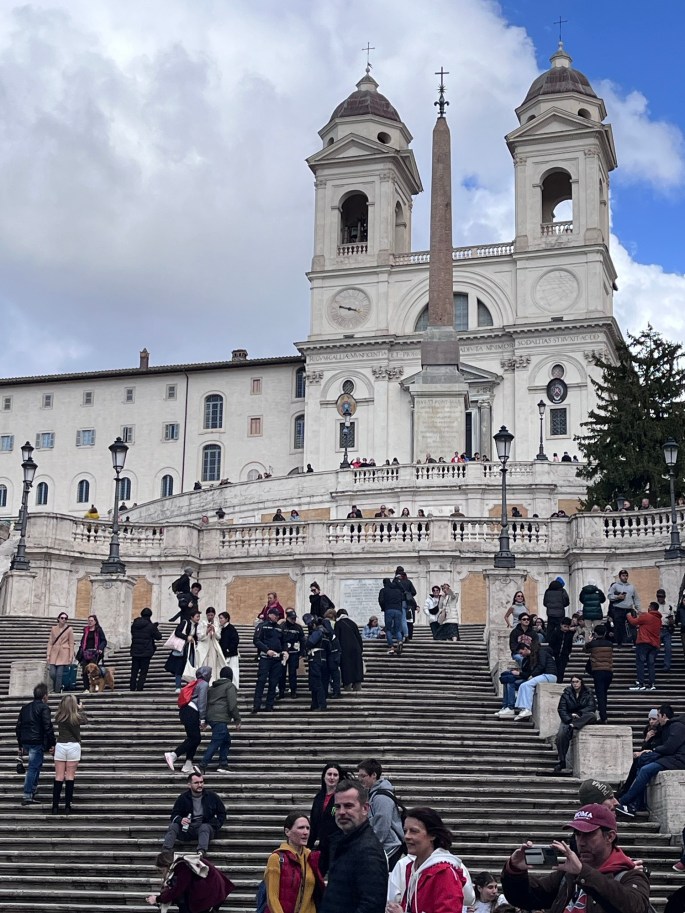
I need to get my steps in. How – the Spanish steps of course……..135 to be exact.

The steps were built to navigate a steep slope between the Piazza di Spagna at the base and Piazza Trinità dei Monti church, at the top.

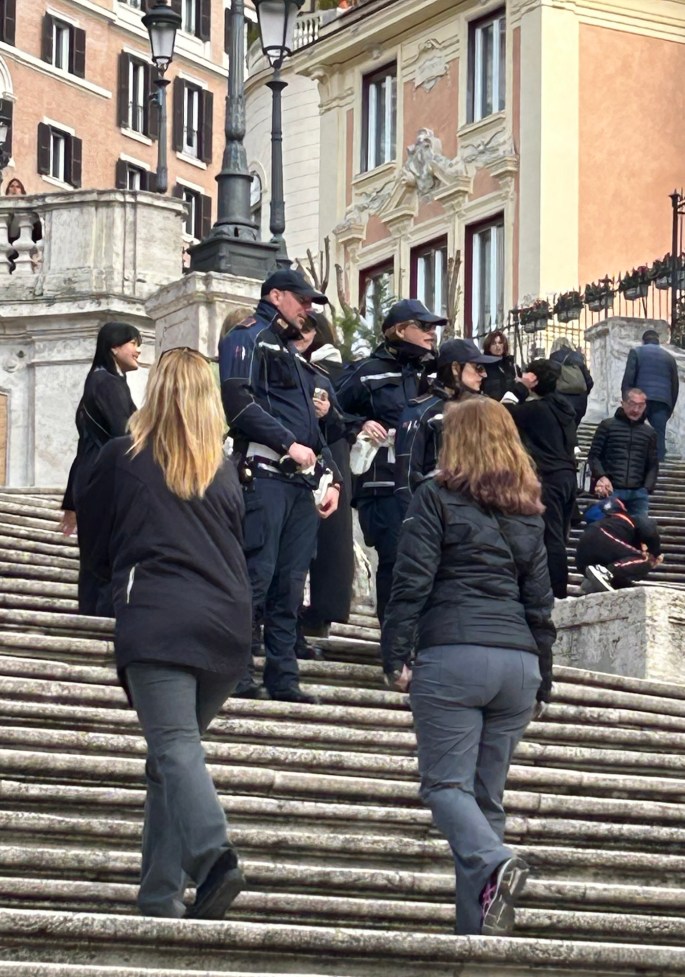
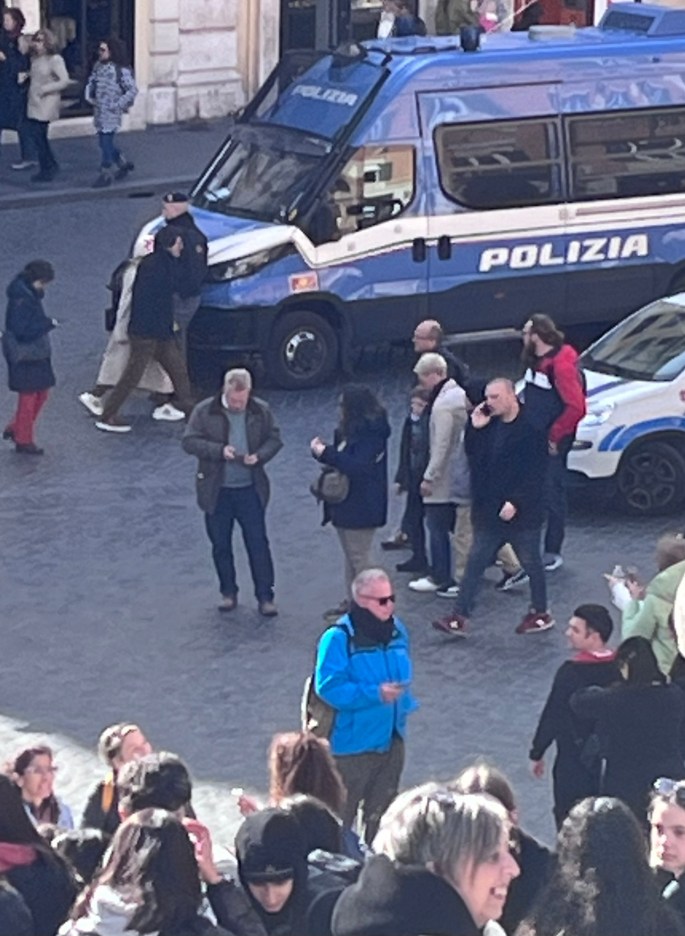
Maybe you noticed the polizia in the photo above? There were fines for those sitting down (250 euros) and heavier fines for damaging or dirtying the steps (400 euros).

There was a competition for design in 1717 and completed in 1725. They have been restored and renovated a number of times. Travertine stone, brick, marble and plaster make up the steps.

Notice who is missing? Glad he brought along the blue jacket – he’s easier to spot.

Why the ‘spanish’ steps? At the bottom was the Spanish Embassy. I read that at certain times of the year, planned decorations line the steps. Around Christmas-time a 19th century manger is displayed on the first landing. In the spring-time, pots of azaleas can been seen. Not quite spring – yet. Dang.

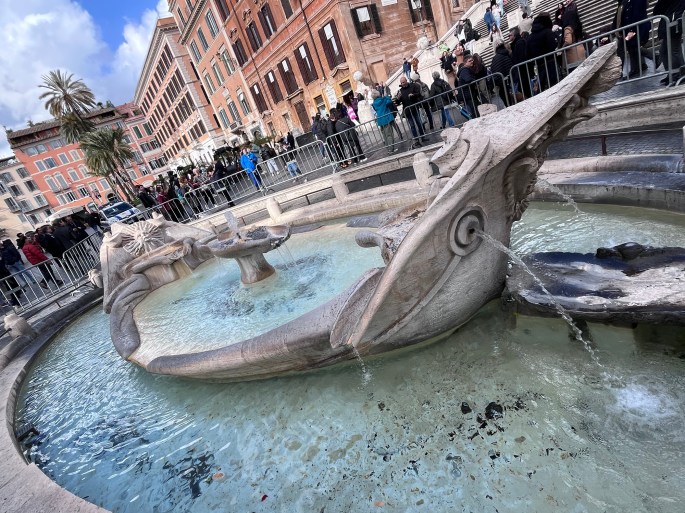
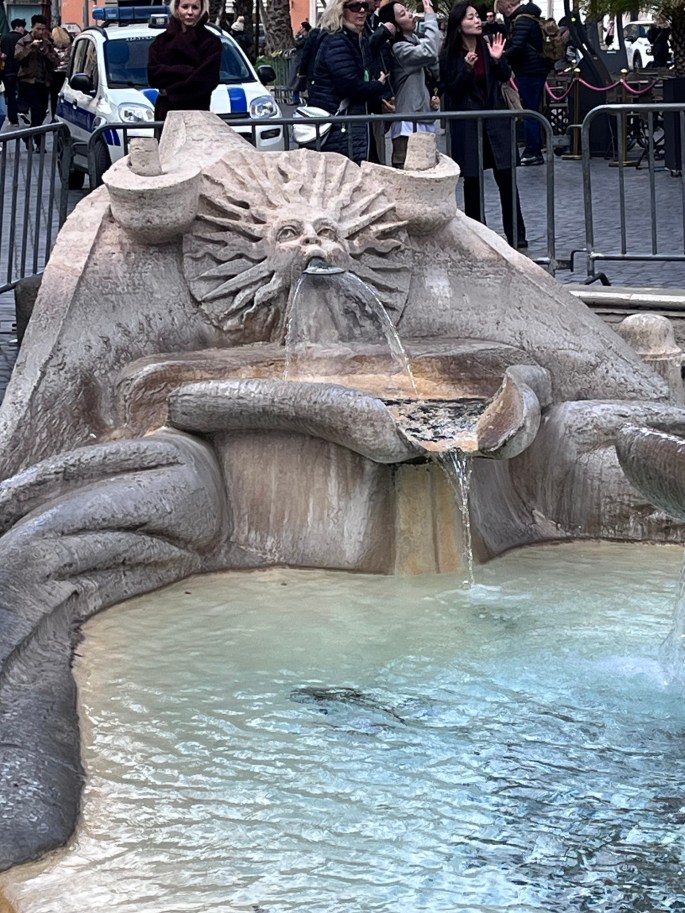
Another fountain was found at the bottom. The pope commissioned Pietro Bernini in 1623 to build the fountain as part of a prior Papal project to erect a fountain in every major piazza in Rome. The fountain was completed between 1627 and 1629.

According to legend, as the River Tiber flooded in 1598, water carried a small boat into the Piazza di Spagna. When the water receded, a boat was deposited in the center of the square, and it was this event that inspired Bernini’s creation.

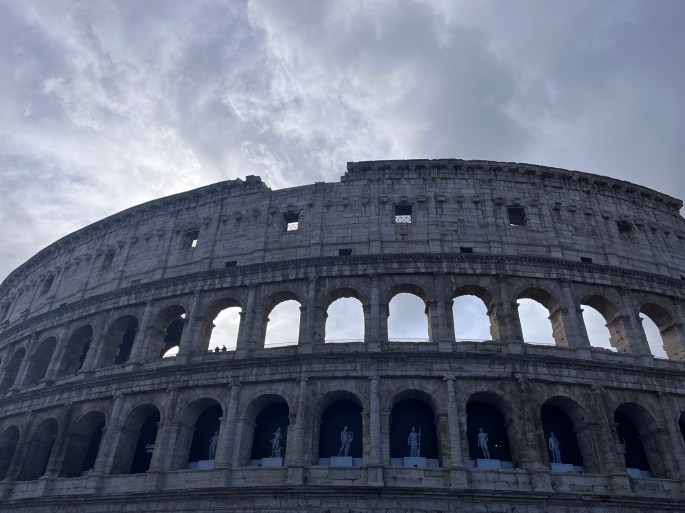
Can anyone come to Rome without seeing the Coliseum? I think not.

It is the largest ancient amphitheater ever built and is still the largest standing Amphitheatre in the world, despite its age. Contruction begin in 72 AD and was completed in 80 AD. It could hold anywhere between 50K – 80K spectators at various points of history.

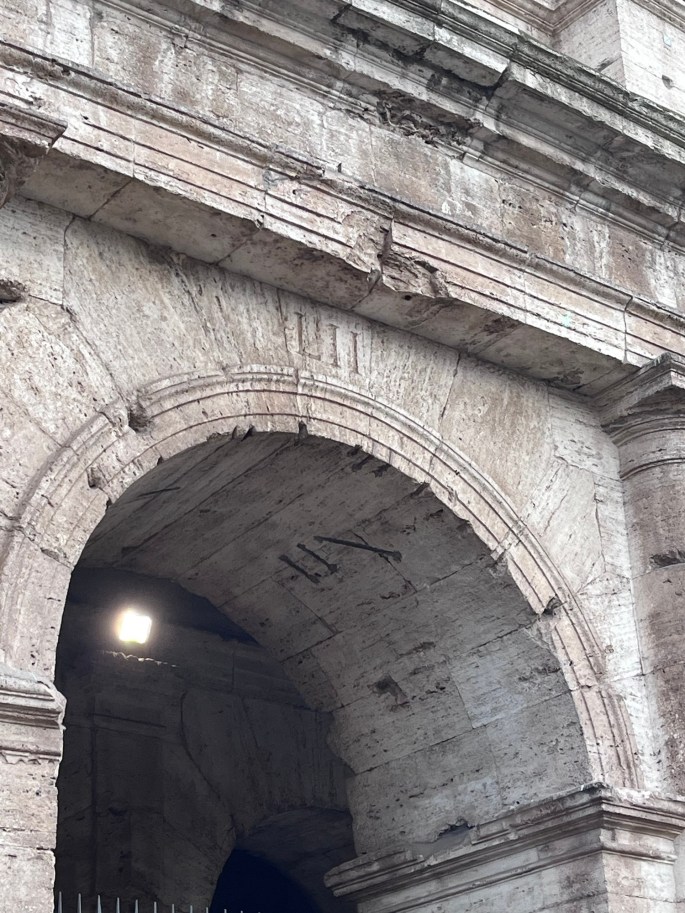
Entrance portals were numbered in the archway as seen below.

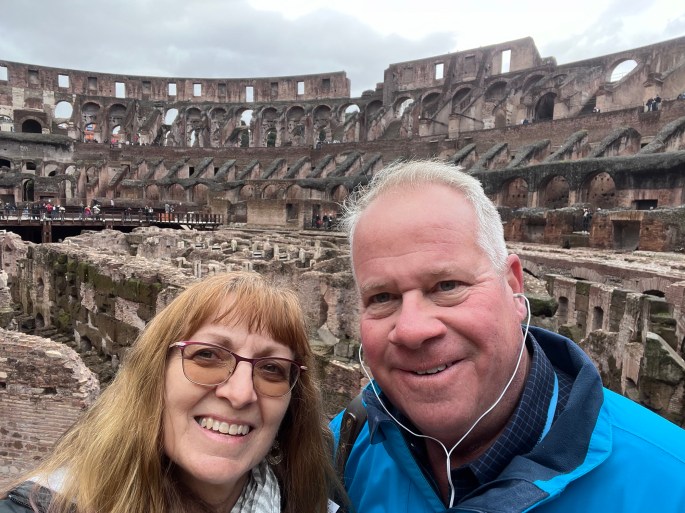
Yes, we were one of ‘those’ tourists, following our tour guide with a flag.

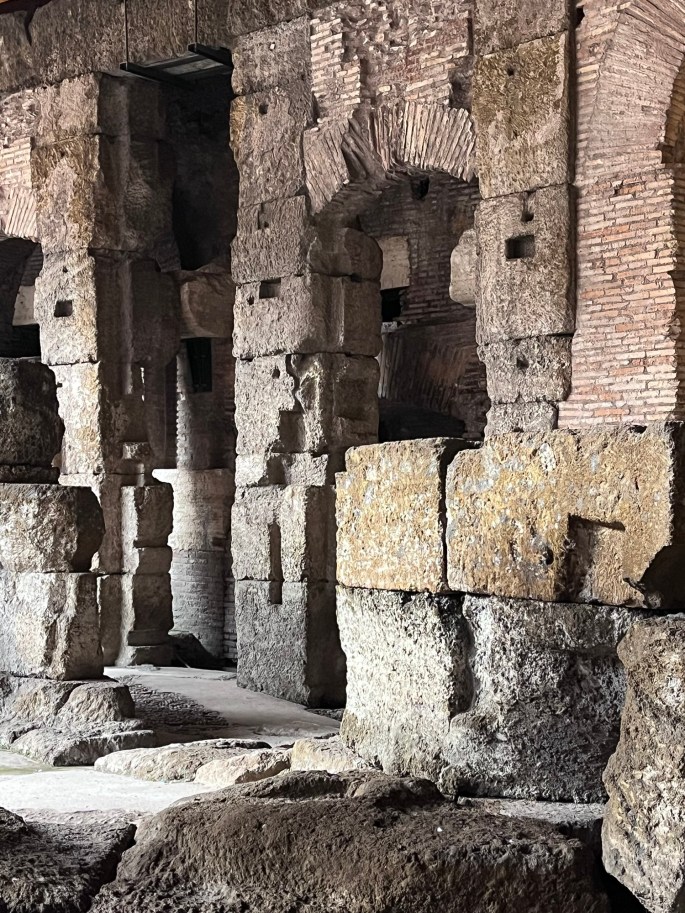
Part of our small-group tour include the underground of the coliseum. We saw a short film in an underground alcove, and it truly put you in the mindset of the gladiator’s journey coming into the coliseum. While some were fighting for sport, others were fighting for their life and freedom.

The Colosseum was built of travertine limestone, tuff (volcanic rock), and brick-faced concrete.  It was used for gladiatorial contests and public spectacles including animal hunts, executions, re-enactments of famous battles, and dramas based on Roman mythology, and briefly mock sea battles.

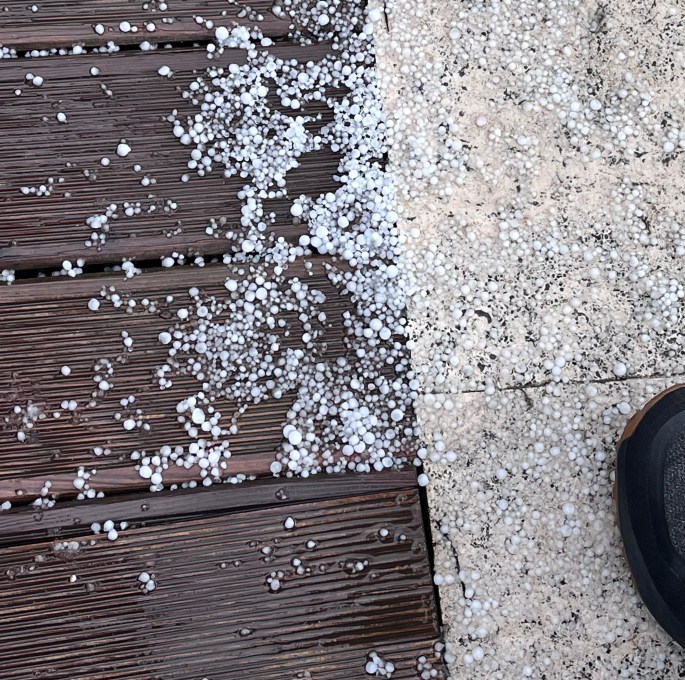
We had a bit of our own excitement during our tour. Notice the bouncing drops?


That’s right – hail. Below are some of the pellets that collected along our walkway. We were very lucky that when it started, we were heading underground.

Although substantially ruined by earthquakes and stone robbers, the Colosseum is still a renowned symbol of Imperial Rome.

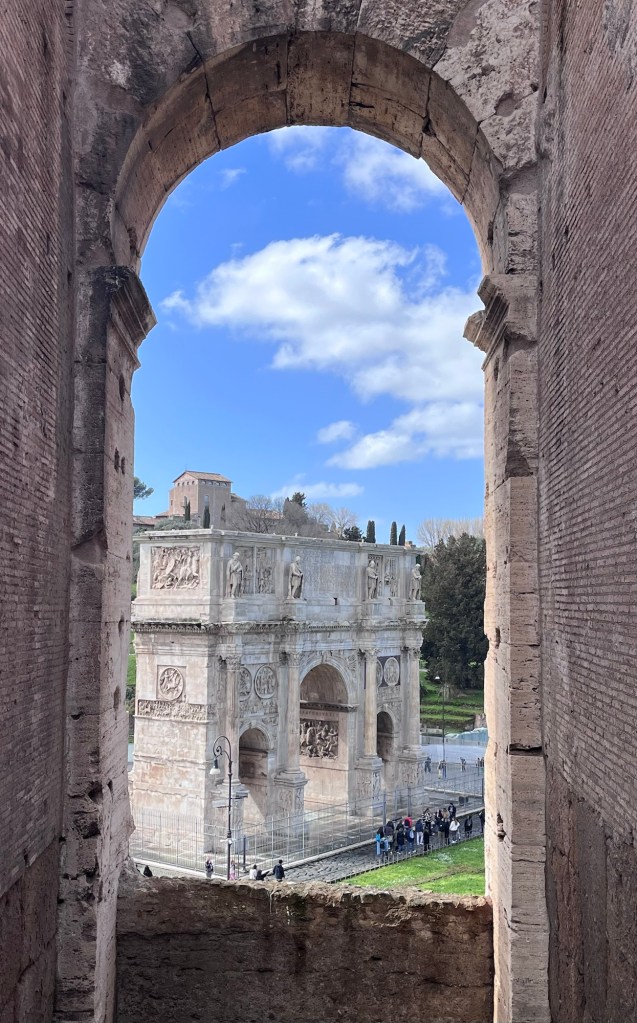
Before exiting the coliseum, our tour guide brought us to another part of the building promising us a good photo spot. Here was one of the remaining gates into the city with the Palatine Hill behind it.

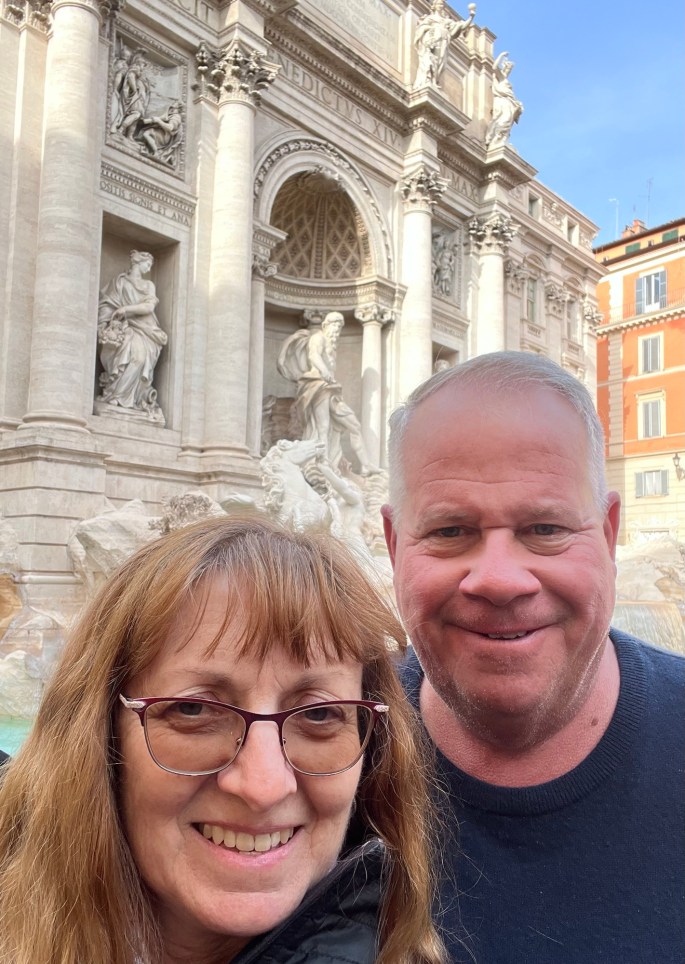
Last stop for this post………Trevi Fountain ‘Taming of the Waters’

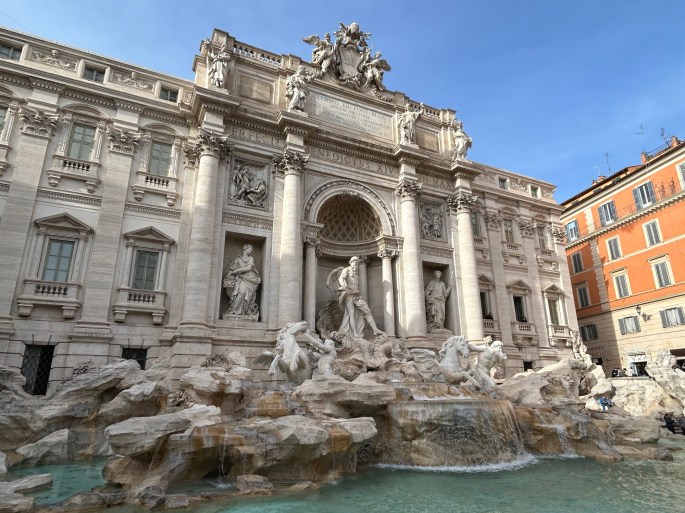
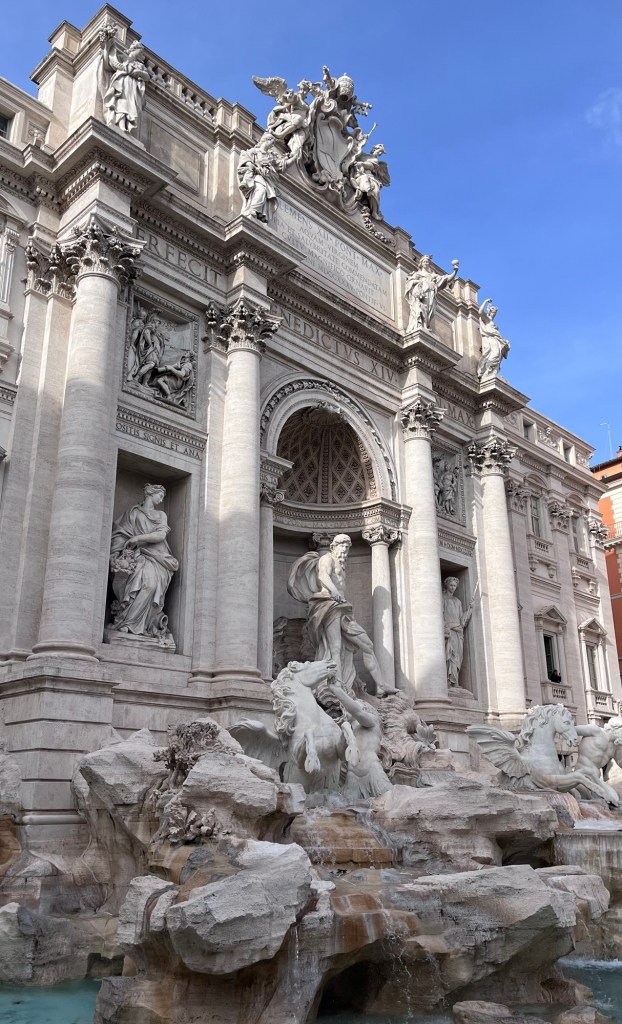
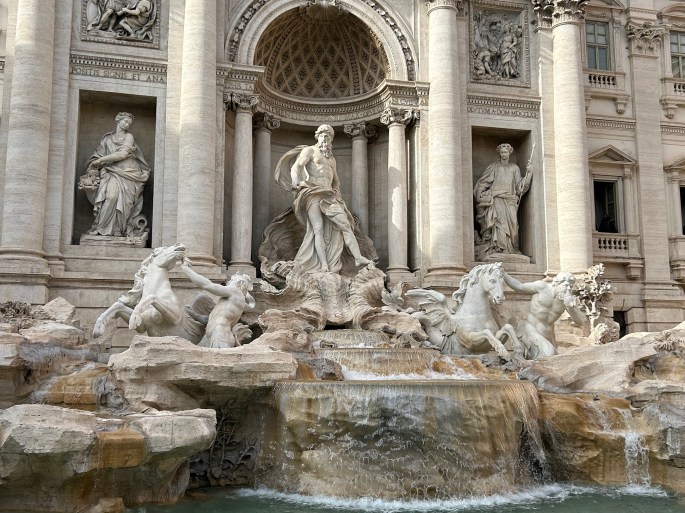
At 86 feet high and 161 feet wide, it is the largest Baroque fountain in the city and one of the most famous. It is located at the junction of three roads and marks the terminal point of one of the aqueducts that supplied water to Rome for 400+ years.

As was common in Baroque times, a competition was held. Originally a Floratine won but public outcry gave the commission to a Roman, Nicola Salvi, who died before it was finished.

The work begun in 1732 and was finished in 1762. Four different sculptors were hired to complete the fountain and the majority was made from Travertine quarried near Tivoli, 22 miles east of Rome.

Behind the fountain is the  Palazzo Poli, a palace in Rome, altered in the 18th century to form the backdrop. There continues a tradition of coin tossing, using your right hand over the left shoulder. Estimates are 3000 euros are thrown daily into the fountain. The money is used to subsidize a supermarket for Rome’s poor.

A few more posts are coming before we head to Florence.

Rome Eats – first post

We ate well and continue to find awesome food establishments. Here are three from the first part of our week in Rome.

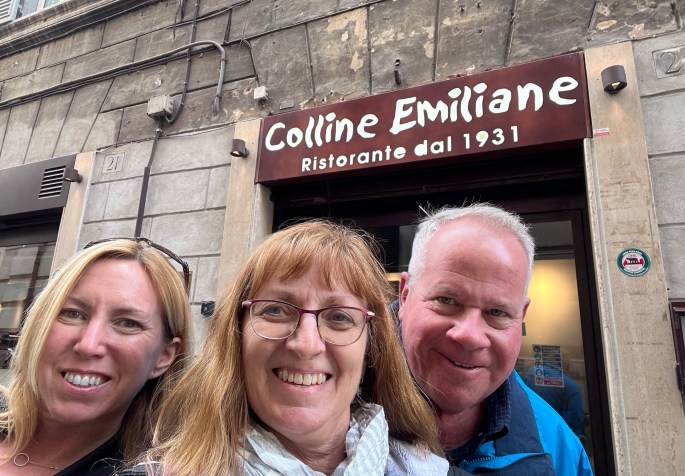
Four words describe the essence of this restaurant: Tradition, Family, Quality & Artisanship. They are committed to the culinary culture of the Emilia region.

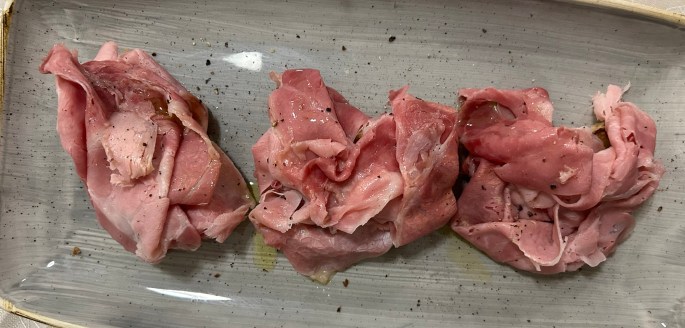
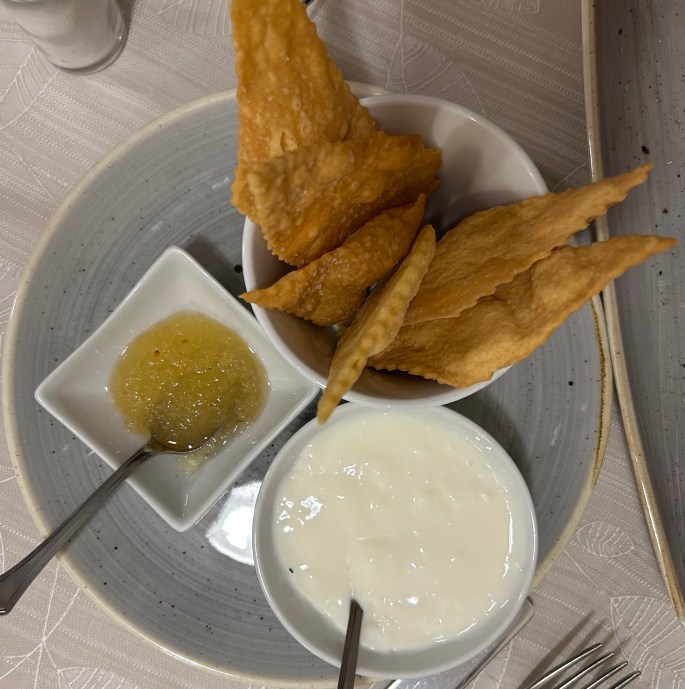
We started with these two and OMG – they were talked about throughout our week.

Adrienne’s choice

Ginny’s choice

Eric’s choice

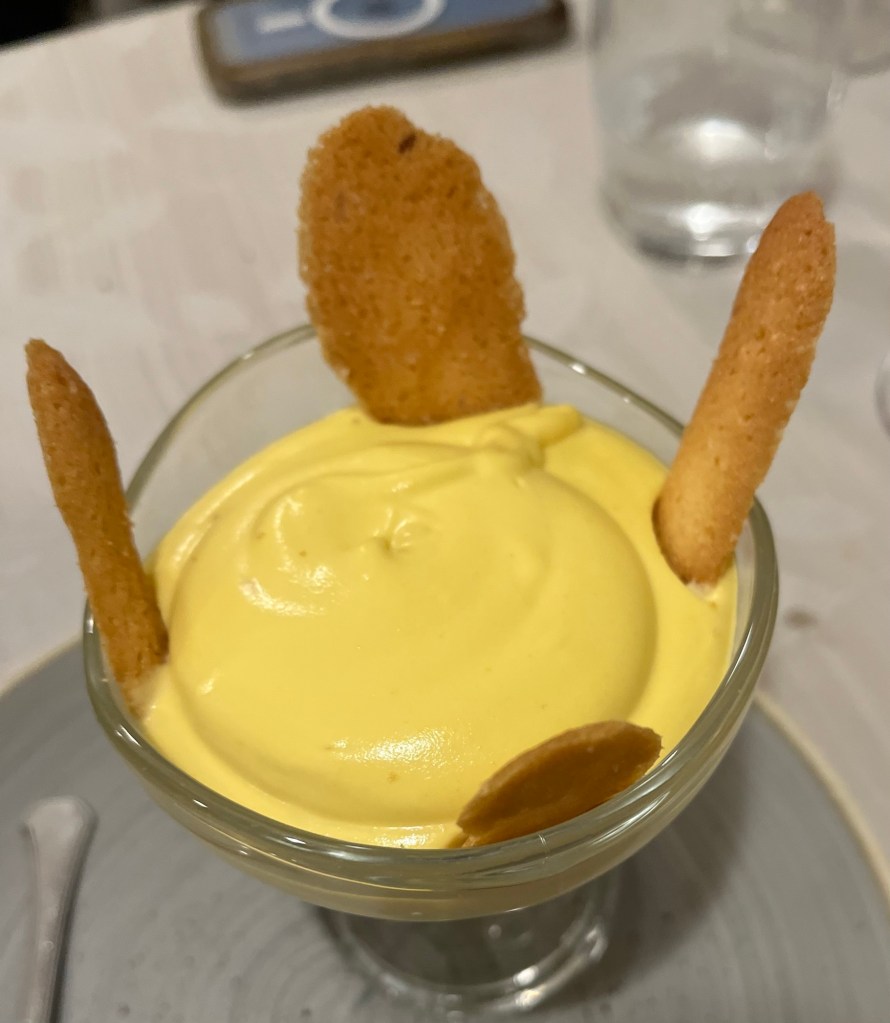
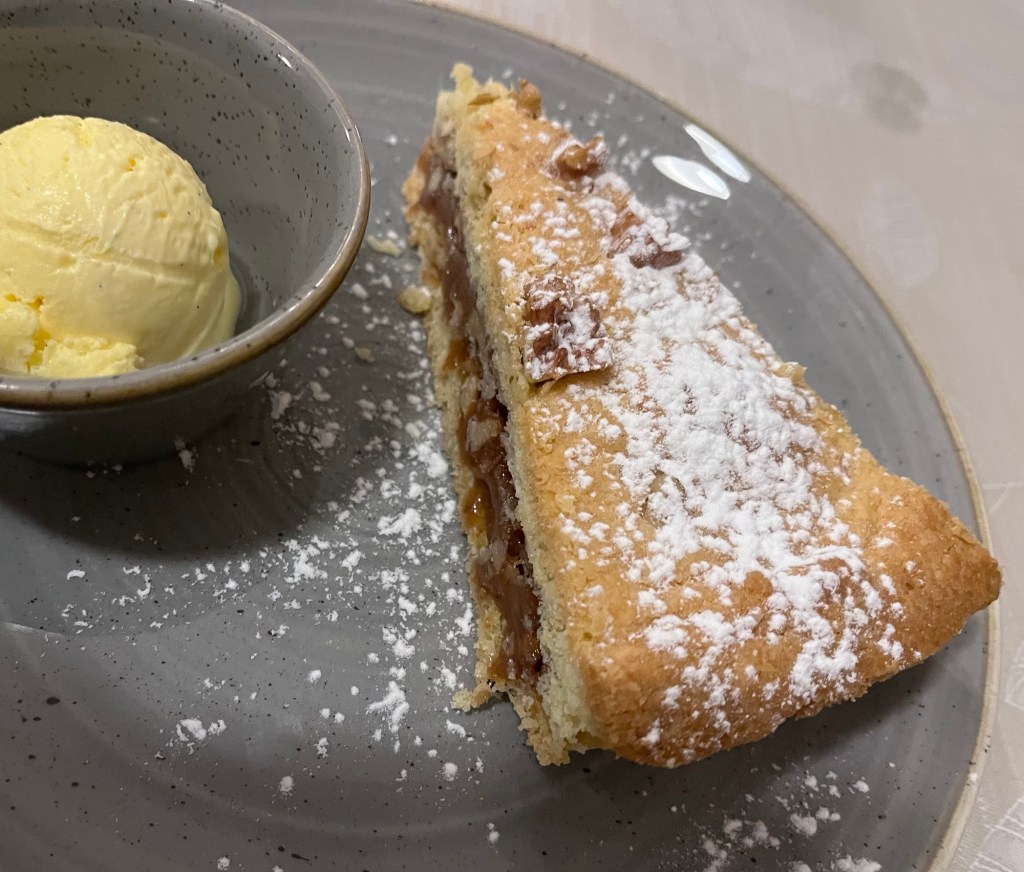
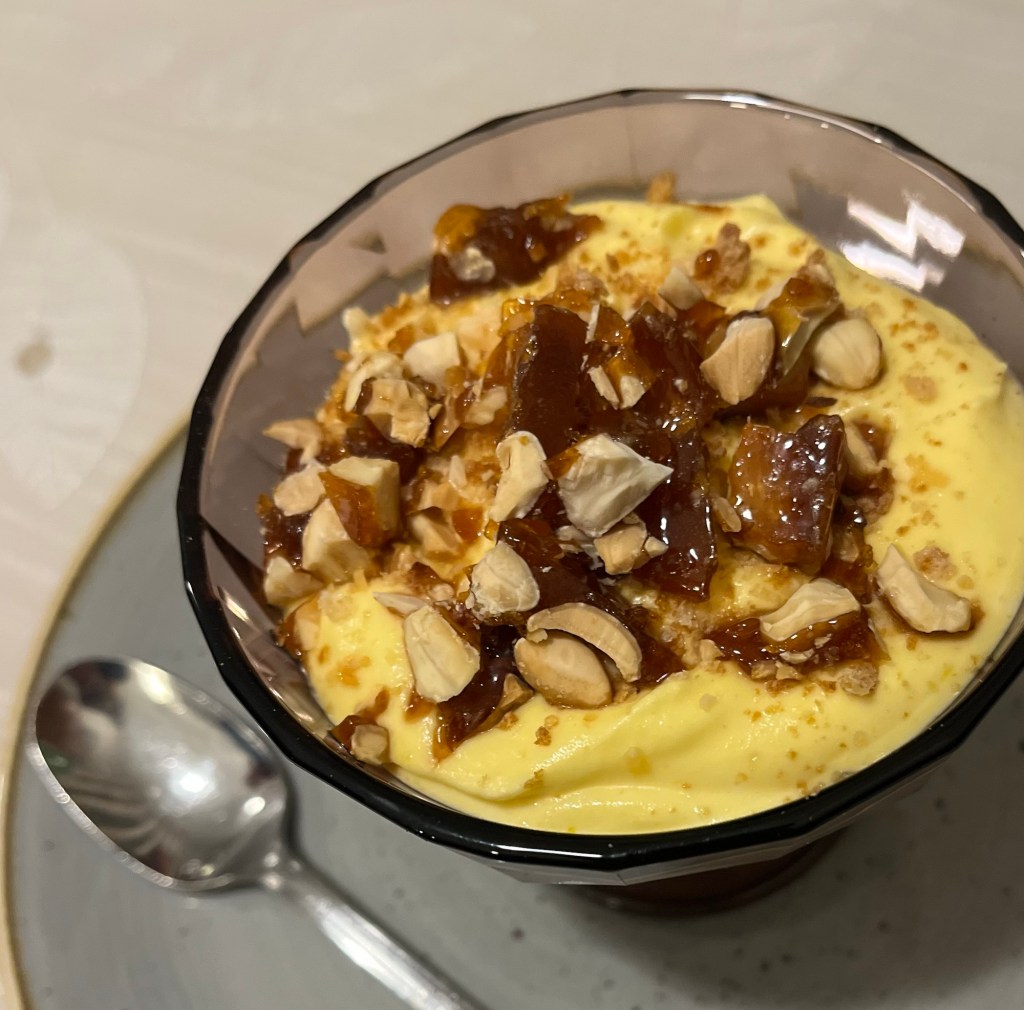
Desserts shared:

When in Rome – eat pizza! Emma is a restaurant-pizzeria.

Emma was born from a basic concept: to use only raw materials of the highest quality as ingredients of traditional Italian cuisine. Without compromise.

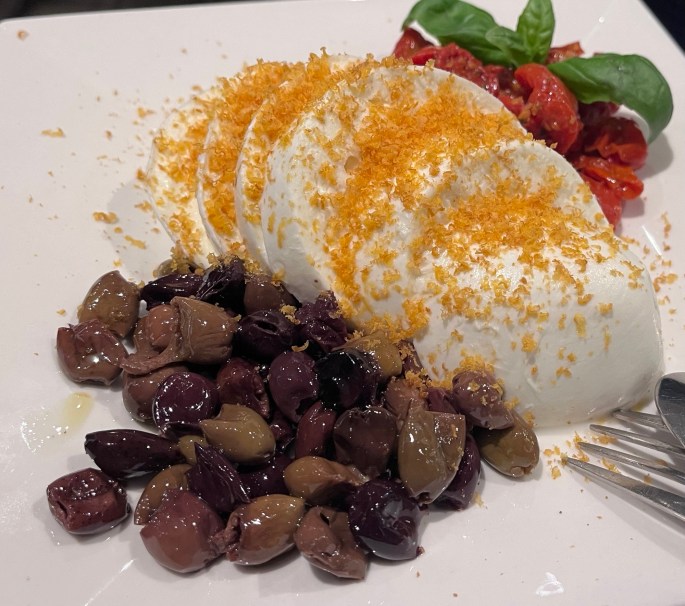
While we’ve had a number of starters with buffalo mozzarella, this ranks the highest – possibly due to the grated Muggine bottarga, or the olives or the tastiest tomatoes. Any and all of those ingredients make.the.dish!

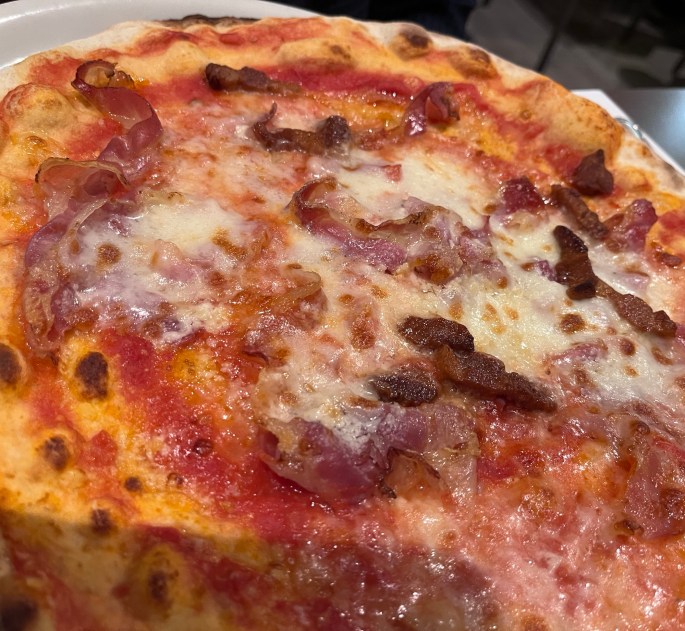
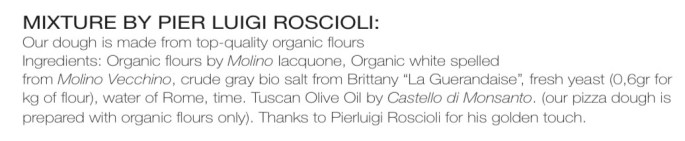
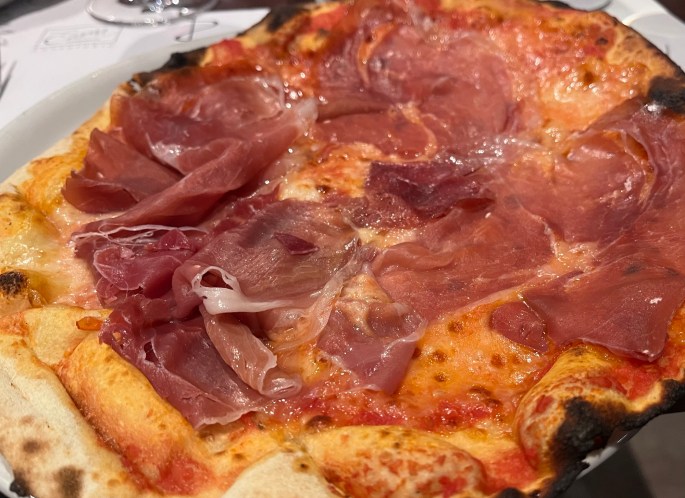
They elevate the thin-crusted Roman-style pizza to a gourmet level with prestigious flours, long fermentation and high-quality ingredients.

No room for dessert, but a bit of dolce to end our meal.

Eric discovered this was ranked fourth for pizzerias in Rome. He made a good choice.
This was a recommendation from our AirBNB host – literally 1/2 block away from our place. That was a good thing. While we were waiting for our desserts to arrive, I got r.e.a.l.l.y sleepy and started to crash. In fact, we left Eric to pay the bill. As you might expect……Eric made friends. They had him taste other types of wine from the region. He enjoyed himself.
These were recommendations from our waitress and they did not disappoint. I was a little sketical of the anchovies, but as long as I choose the smallest and crispiest pieces – I was good. The eggplant cake? Eric needs to make this at home. I don’t like eggplant, period. I loved this.
Dinner:

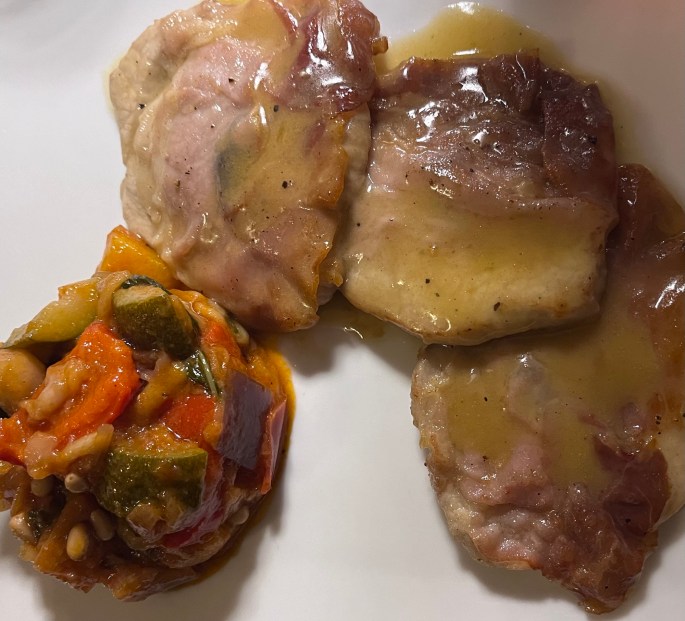
Adrienne’s choice – pork w/ratatouille

Eric’s choice – Pasta Bolognese

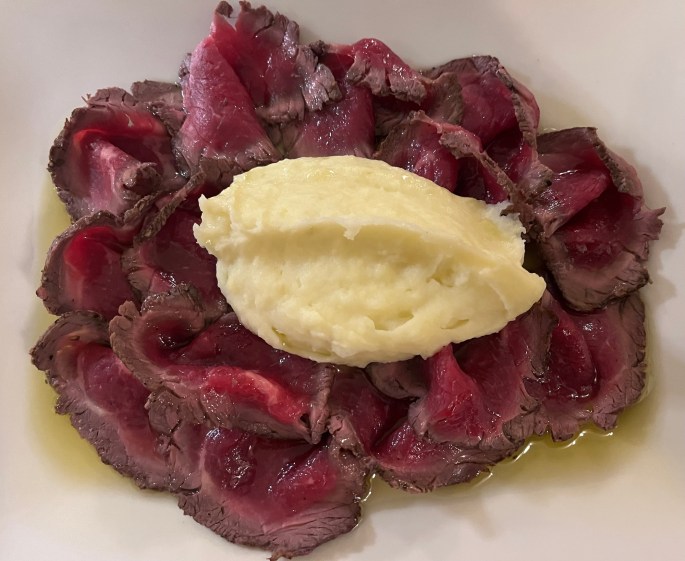
Ginny’s choice – thinly sliced beef w/potatoes

Shared desserts:

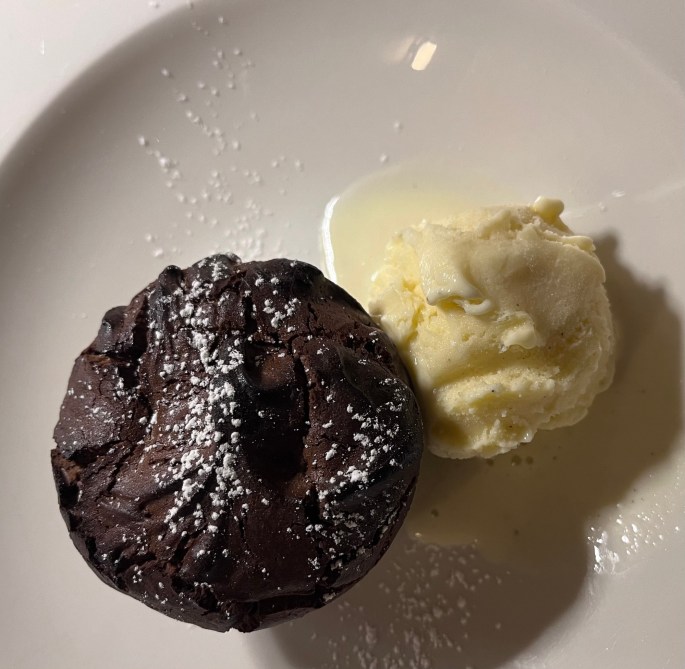
chocolate lava cake

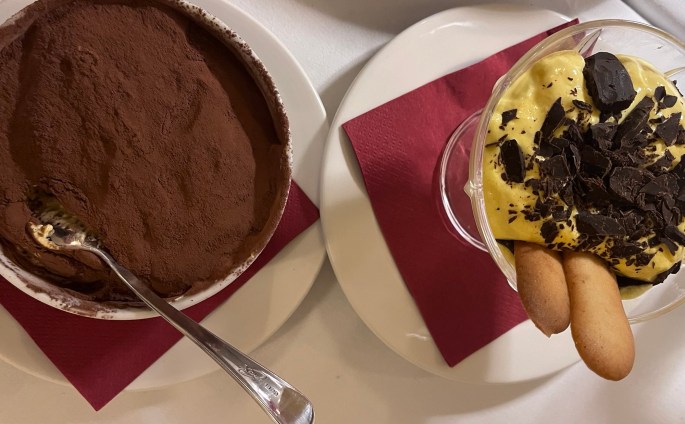
tiramisu & zabaglione

Very delicious meals – and only the start of our trip. I can’t wait to see (and taste) the many meals that are remaining.

Rome History – Part 1

Staying in the city center had so many advantages. Walking to historic sites was the main one. Soooooo much history in this city and you never knew when you turned a corner if you were going to find more Roman ruins – we did, a lot.

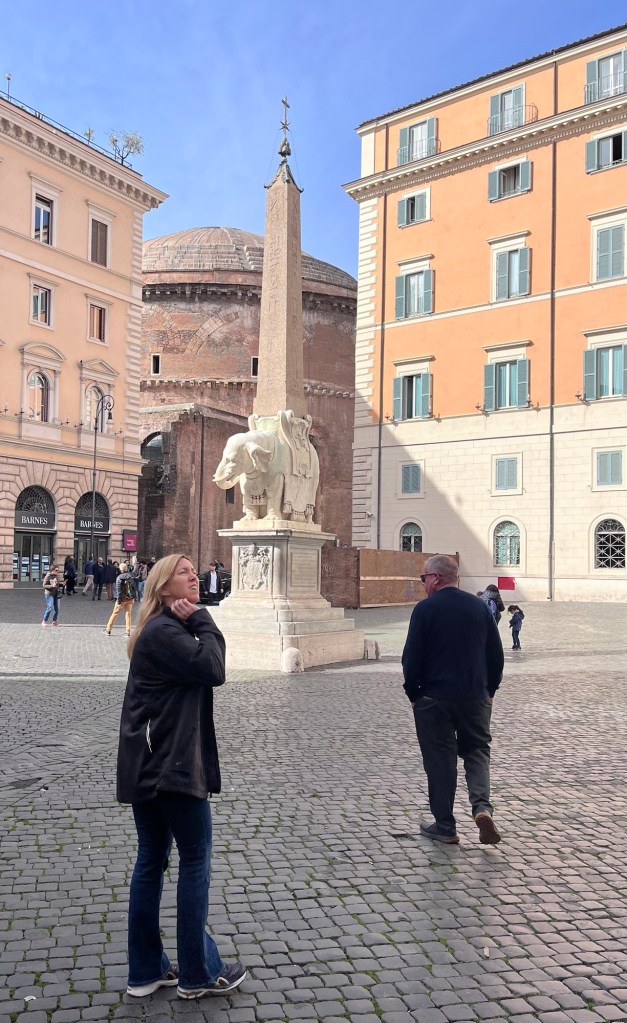
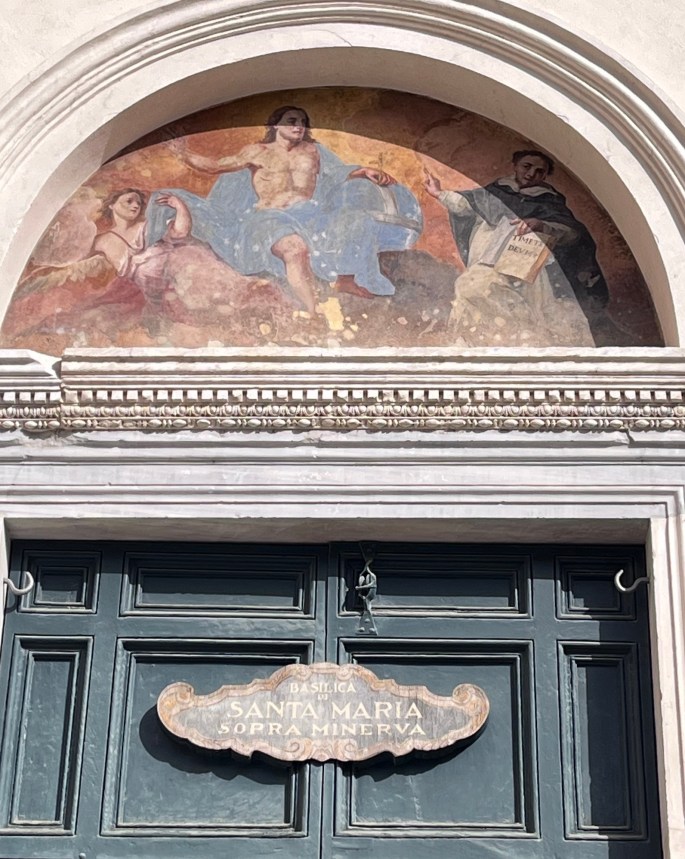
We were headed towards the Panthenon and came across this church.

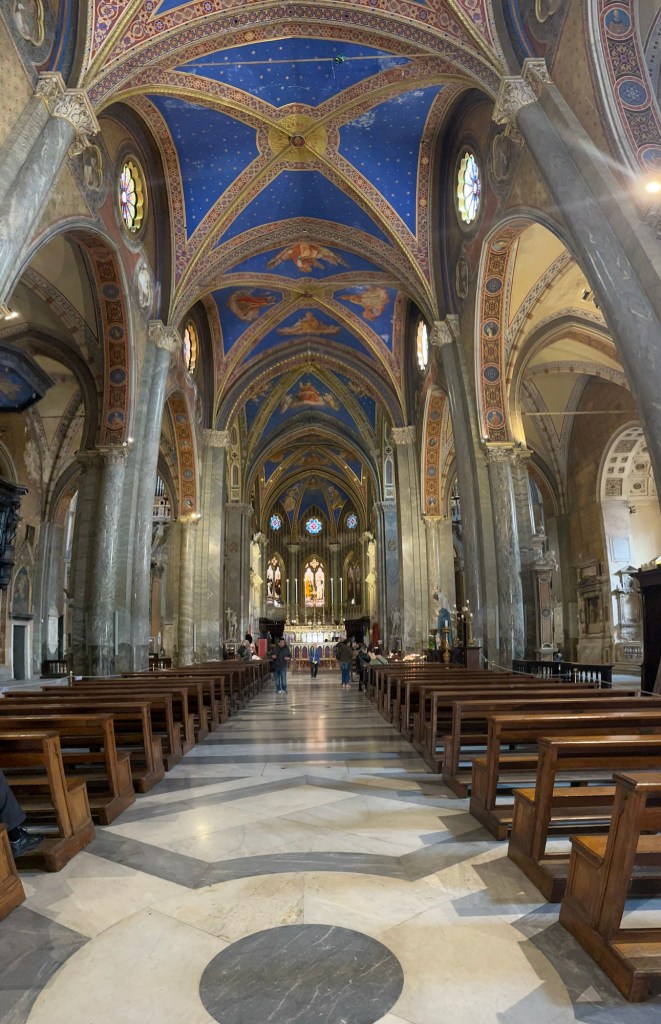
In the 8th century there was an oratory on this spot, but it wasn’t until the Dominicans took final possession of the property that a church was built in 1280. It was one of the very few examples of Gothic architecture in Rome. It was in the convent adjacent to this that in 1633 Galileo adjured his scientific thesis to save his life from the condemnation of the Holy Inquisition.

It was quietly beautiful inside. Since this is considered a minor basilica, there were no hordes of tourists.

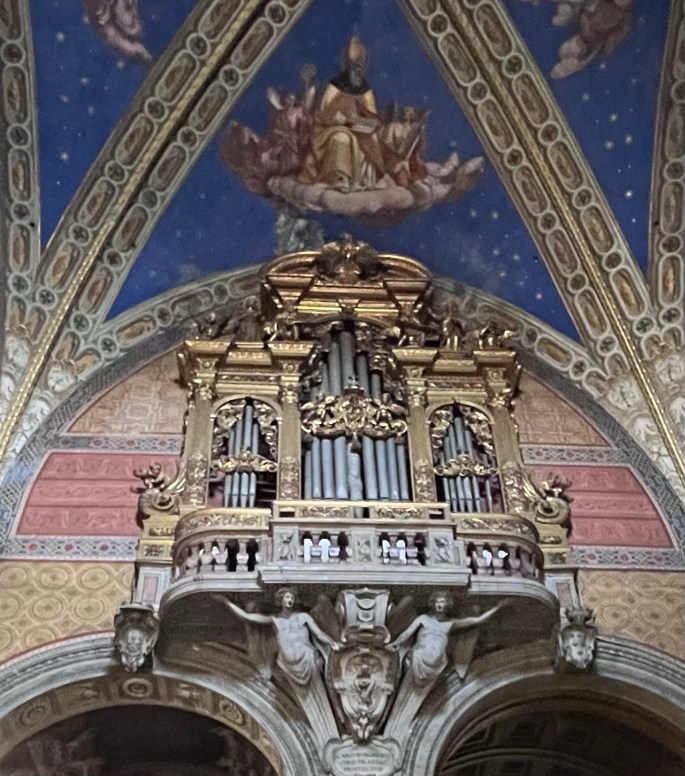
In 1628 two almost identical organs were placed above the choirs. The one in my photo was looted then set on fire. The other organ was removed and used in a basilica elsewhere in Italy. Eventually both organs were replaced in the 1900s.

Below the table on the high altar is a 15th century sarcophagus of St. Catherine of Siena, minus her skull and a finger found in a basilica in Siena. Eric is in the foreground.

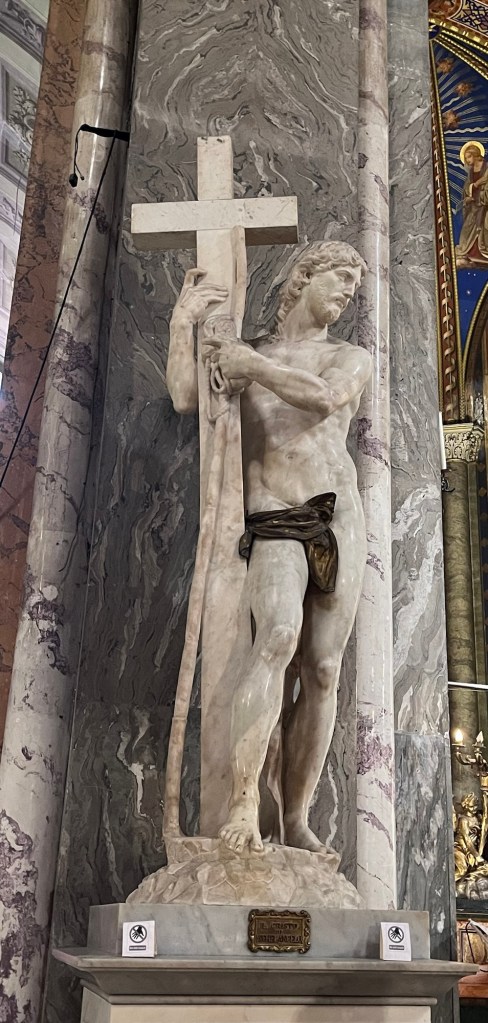
Notice the statue to the left of Eric above? It caught Eric’s attention with the amount of detail.

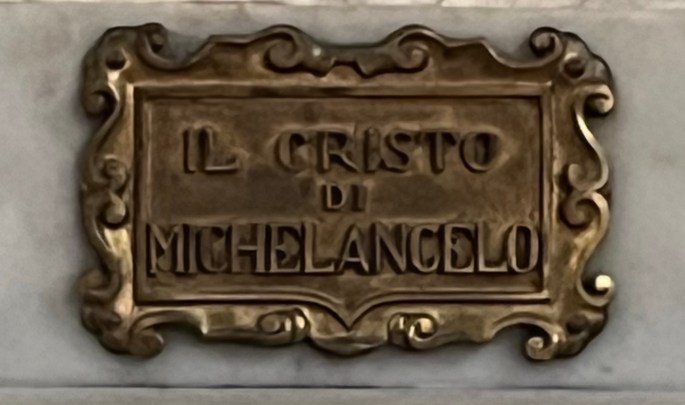
‘Christ carrying the Cross

Totally was not expecting this. There was a bit of rope stanchioning this off, but truly we were within a few feet of the statue.

This ‘find’ was so unexpected, it was a highlight of our time in Rome.

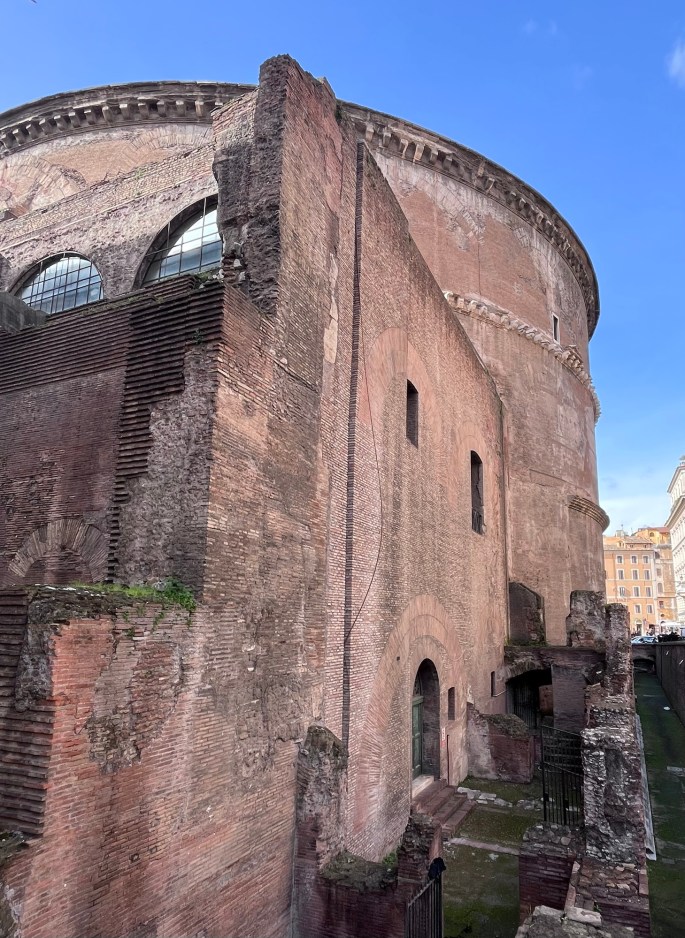
Leaving the church, we were presented with the back side of our next find.

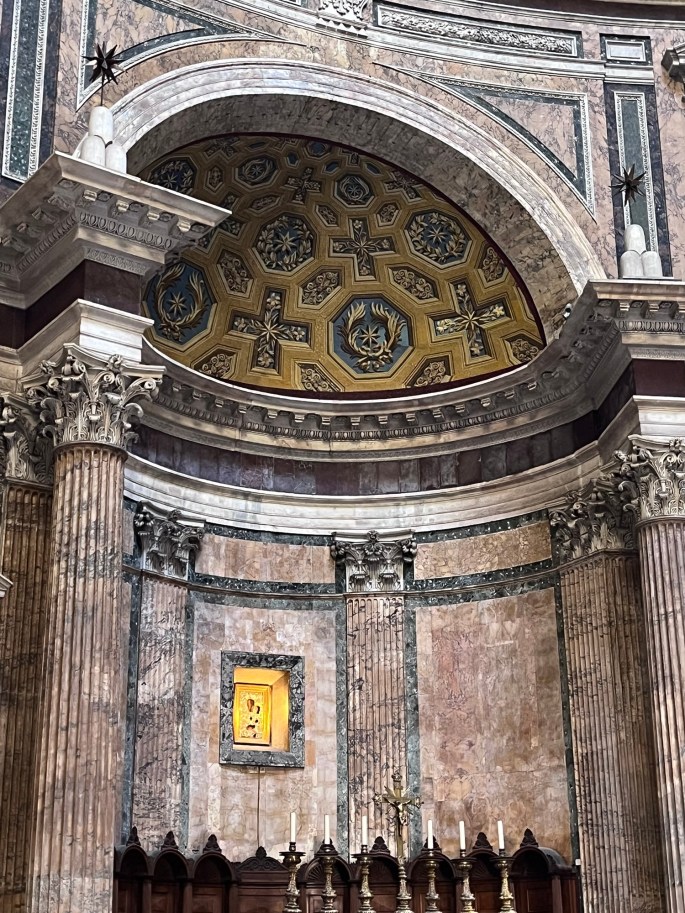
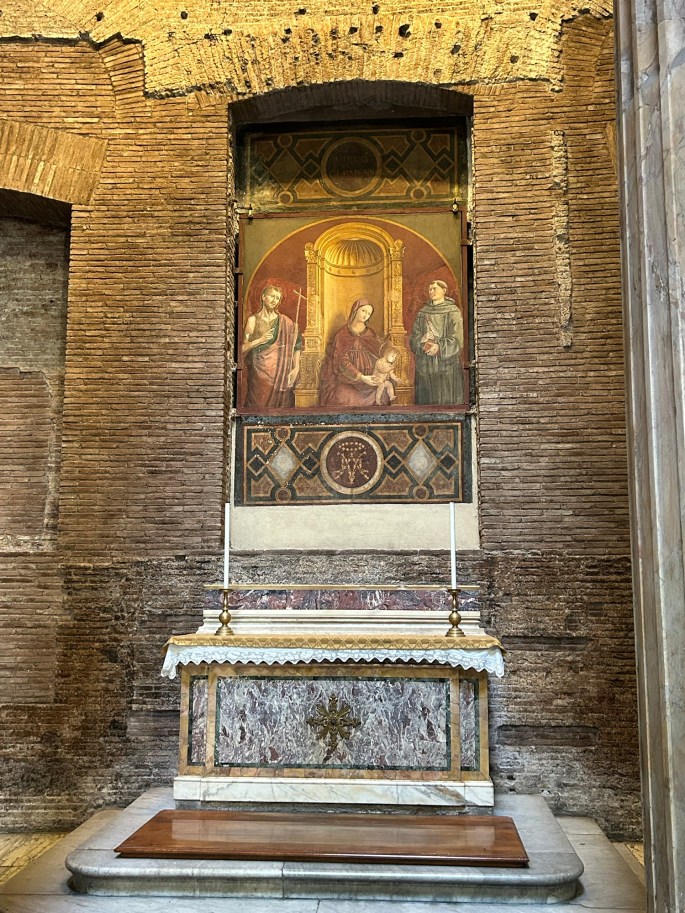
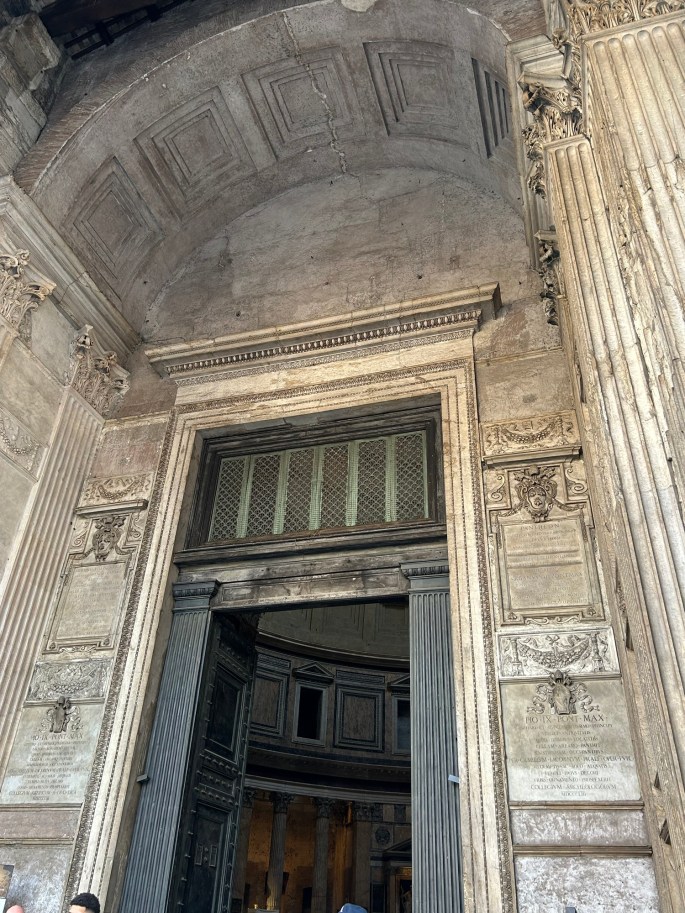
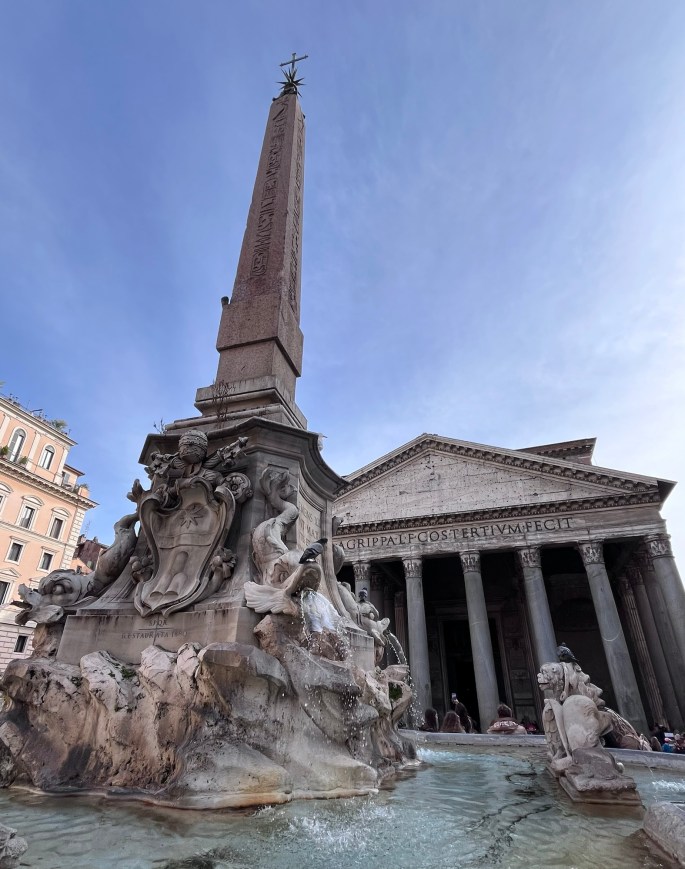
The Pantheon

The date of construction is uncertain and debated. It was built on an earlier temple on private land, fire burnt it down (several times) and the present-day building was ordered by emperor Hadrian 126 AD. In 609 AD it became a Catholic church.

It is one of the best preserved Ancient Roman buildings in large part due to continuous use throughout history. That’s not to say pieces and parts weren’t removed for other purposes or metalwork melted down for armory.

Since the Renaissance it became a fashionable burial place for painters, composers and even two kings.

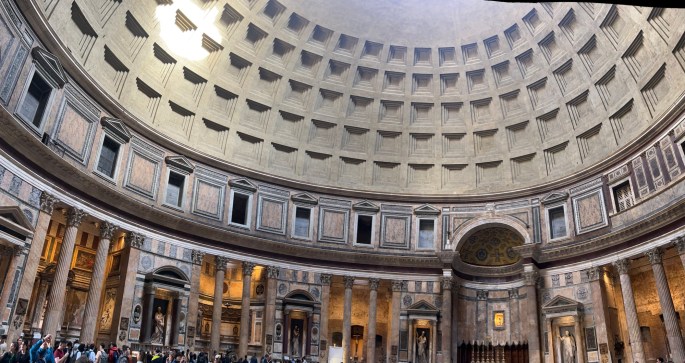
The dome of course is one of most amazing feats. After 2000 years it is still the largest un-reinforced concrete dome in the world, at 142 feet in height and 142 feet in diameter. The thickness varies from 21 feet at the base to less than four feet around the oculus. Various materials were used as aggregate and could be travertine, terracotta tiles and pumice or tufa (volcanic rock) at the top.

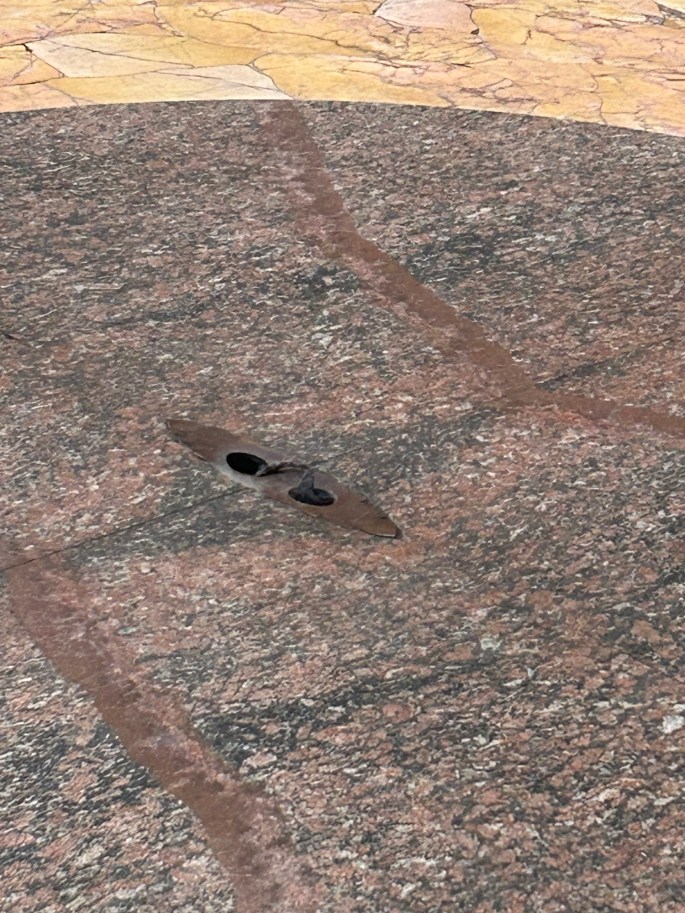
The top of the oculus has never been covered allowing rainfall through the ceiling onto the floor going into floor drains to promote runoff.

The oculus and entry door are the only natural sources of light.

The history of the building pulled me in and I spent way too much time on the web going through links to find more info.

Occasionally you needed a break from history, and we found some great spots to do just that, as you’ll see in my next post.

Italy – a new journey begins

Ciao! As you might have guessed from the previous post……..we were packing with purpose. Another trip to Europe was planned and the time for departure was upon us.

Several years ago, I started a tradition for myself, if we are at least gone for 2 weeks. Adding an ‘unnatural color’ was not allowed in my workplace and it will eventually fade with continued washings. Just a bit of unexpected whimsy I like to add to my trips. As a fail-safe, I only add the color to the tips – JUST in case it doesn’t wash out quickly enough (oops 2023) and I’ll get my hair trimmed before going back to work.

Okay, let’s get back to the real story………

As with most trips, we stopped at the MCO Lounge for some refreshment.

We’ve been fortunate to grab the same 3 seats at the bar and caught up with the morning bar-tender we had met before.

It wasn’t all about the alcohol, some light refreshments were available. The protein bowl on the right was something new on the menu. LOVED the pretzel – possibly there were several ordered during our time inside. It was the perfect size for one.

There are some areas that are self-serve and they had a great coffee machine – push a button and you had a multitude of options. It was gone. Sadness. Until I found it in another corner of the lounge. Yep, that’s my cappuccino. Okay, now I’m ready to travel.

We started noticing the flight board inside the lounge was being updated with flight delays – but not ours…..yet. And then it was our flight. 😦 The lounge got r.e.a.l.l.y crowded at that time and went on a waitlist. Yikes!

The terminal wing was a total zoo. All were Delta flights and all were delayed due to lightening. Planes couldn’t land, planes couldn’t be serviced, no one could deplane so therefore we couldn’t fly out and everything stacked up.

At least our flight crew was here. That wasn’t the case for other flights.

I think everybody wanted to cheer when the flight arrived – but were too tired. Four+ hours later we headed to Atlanta for our connection.

We were so lucky (not) and got the chance to spend a night at the Atlanta Westin. No surprise, we missed our connecting flight. Crazy lines existed in Atlanta when we arrived due to all the flight delays in the South. I got on my phone trying to reach Delta, Eric got on a house phone to talk with Delta while we went through a (very) long Delta queue line to get a voucher for a hotel. Heavy sigh. Fortuitous that we didn’t check our bags – we normally do. We had our clothes and toiletries to make the stay-over a bit more comfortable. Small miracles do exist.

Good news – they re-booked our flights. Bad news – connecting through JFK New York before heading overseas. Best news – upgraded to first class for the overseas flight.

Finally headed to Europe. Interesting time-lapese video, catching some of the lights of New York before clouds blocked the view.

Eric convinced the gentleman next to me to trade seats. Adrienne was on the other side of the plane – she’s in the photo below. The flight started with a glass of prosecco. Okay – I like that.

The food was better in this section, no surprise there. My chicken was some of the best I’ve tasted. Eric liked his spinach ravioli.

Before landing in Rome, we flew over the European Alps.

Landing at Leonardo de Vinci-Fiumicino Airport (Rome’s Airport) we were still 35KM away from the city center and our apartment. The taxi ride to get there………….something special. So many cars, so many motorcycles combined with skinny streets. Parking is wherever someone finds a piece of pavement, slightly off of the street. Crazy!

Our 2 bedroom, 2 bath apartment was along one of the tiny side steets. Our place was on the 4th floor up 5 flights of stairs. Or……….squeeze into the teeny, tiny elevator.

Cute window with a view of the nearby rooftops and courtyards.

Small kitchen, just enough space to store drinks & water in the fridge, bread, cheese and yogurt & fruit for breakfast.

First order of business was lunch. We’ve never gone wrong with suggestions from the owner of our lodging and today was no exception: Enoteca Corsi.

We started (and shared) the fresh buffalo mozzarella and tomato starter – oh my goodness, their mozzarella is so much better here.

My lunch selection was Cacio e Pepe: freshly-made pasta with parmesan cheese, butter and black pepper – one of Rome’s famous dishes.

Adrienne’s selection was an octopus salad.

Eric started with farro soup……….

………before the artichoke – Roman style arrived (braised and stuffed with garlic and herbs) sitting in a pool of olive oil. It looks prettier (only in my opinion) before being cooked.

Way more exciting things are coming, but we all crashed for an afternoon nap so we could keep going.